
Beautiful Plants For Your Interior
Beautiful Plants For Your Interior
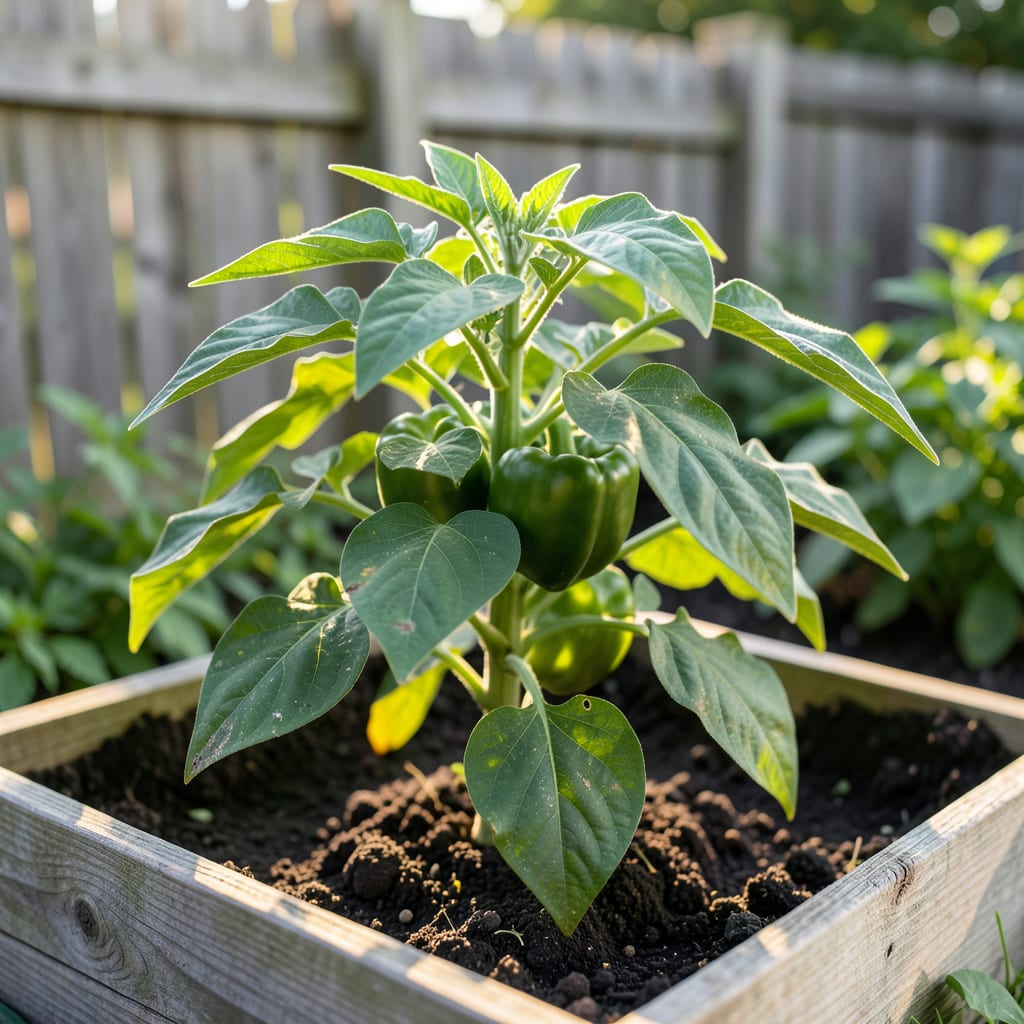
There’s nothing quite like the satisfaction of plucking a perfectly ripe 🫑 Bell Pepper from your garden—only to realize too late it’s either underwhelmingly bitter or mushy. Timing is everything when it comes to harvesting these vibrant veggies, and even a day’s difference can transform your peppers from meh to mouthwateringly juicy.
Whether you’re growing classic green bells or sweeter red varieties, I’ll help you crack the code on when to pick. From subtle color shifts to the telltale snap of a ready stem, you’ll learn the exact signs to watch for—so every pepper ends up crisp, flavorful, and just right for your next meal.


Knowing when to pick bell peppers starts with observing their color progression. Green peppers are typically harvested early, but they’ll turn red, yellow, or orange if left longer—each stage offering different flavors. I always check for uniform color without green streaks for fully ripe fruits.
The size and firmness of your peppers are just as important. Most varieties reach 3–4 inches long when mature, with thick, glossy skin. Gently squeeze the pepper—it should feel firm but slightly yielding, like a ripe avocado. If it’s rock-hard, give it more time.
| Variety | Color at Maturity | Size | Firmness |
|---|---|---|---|
| Green Bell | Deep green | 3–4 inches | Firm, crisp |
| Red Bell | Bright red | 3.5–4.5 inches | Slight give |
| Yellow Bell | Golden yellow | 3–4 inches | Firm, glossy |
*Check for glossy skin and easy stem separation.
For green bell peppers, harvest when they’re fully grown but still firm. These are technically unripe red peppers, so they’ll taste slightly bitter. If you prefer sweeter flavors, wait until they turn red or yellow—this can take an extra 10–14 days after reaching full size.
Watch the stem attachment too. A ripe pepper will have a stem that snaps cleanly when bent, while unripe ones resist. I also look for a slight sweet aroma near the stem end—this is a surefire sign of ripeness, especially in red and yellow varieties.
Climate plays a role in timing. In warmer regions, peppers may ripen 5–7 days faster than in cooler areas. If nights drop below 60°F, maturity slows down. I use a garden journal to track days from flowering—most peppers are ready 60–85 days after planting.
Don’t forget to inspect the skin texture. Ripe peppers have a smooth, shiny surface, while immature ones appear dull. If you see wrinkles or soft spots, the pepper is overripe and should be harvested immediately—these won’t store well.
If you’re growing miniature or specialty peppers, adjust your expectations. Varieties like ‘Lunchbox’ or ‘Snackabelle’ stay small (1–2 inches) but should still be firm and vibrant. I harvest these when they’re fully colored and the skin resists light pressure.
Finally, consider the plant’s overall health. If frost threatens or the plant shows stress (yellowing leaves), harvest all peppers—even slightly underripe ones. They’ll continue ripening indoors at room temperature if placed in a sunny spot. I’ve saved many peppers this way!
Remember, regular harvesting encourages more production. Once you pick a pepper, the plant directs energy to new fruits. I aim to harvest every 3–5 days during peak season to maximize my yield. Happy picking! 🌱
Harvesting bell peppers the right way ensures your plant keeps producing all season. I’ve seen too many gardeners accidentally snap branches or bruise fruits by using the wrong technique. The key is gentle handling and the right tools—no yanking or twisting!
First, always use clean, sharp pruners or scissors to avoid crushing the stem. If you’re harvesting by hand (which I do for quick picks), make sure your fingers are dry to prevent slipping. The stem connection is delicate, so precision matters more than force.
Pro Tip: Harvest in the early morning when peppers are crisp and hydrated.
If you’re harvesting green bell peppers, they’ll come off easily with a gentle twist—no tools needed. But for red or yellow varieties, which are fully ripe, I always use pruners. Their stems toughen as they mature, and twisting can damage the plant’s vascular system.
After picking, leave a ½-inch stem stub on the pepper to extend shelf life. Avoid pulling off the calyx (the green leafy top), as this protects the fruit from rot. I like to place harvested peppers in a shallow basket—never pile them high, or they’ll bruise.
To encourage more production, I fertilize lightly after a big harvest with a balanced 10-10-10 feed. This replenishes nutrients and signals the plant to keep flowering. Also, remove any damaged or diseased peppers immediately to redirect energy to healthy growth.
Remember, bell peppers continue ripening after picking if left at room temperature. So if you’ve got a mix of green and red on the plant, harvest the red ones first—they’ll spoil faster. Store them in the fridge’s crisper drawer (unwashed) for up to 10 days.
Even experienced gardeners can sabotage their bell pepper harvest with simple oversights. The most common blunder? Picking too early—those pale green peppers might look ready, but they’ll lack sweetness and crunch. I’ve learned patience pays off when waiting for that deep, uniform color.
Another frequent mistake is ignoring the stem’s condition. If you twist peppers off instead of cutting, you risk tearing the plant’s branches. This stress can reduce future yields. Always use clean pruners and make a precise cut to keep your plant thriving for weeks.
*Fix these, and you’ll double your usable harvest!
Many gardeners also overlook post-harvest handling. Never toss peppers into a sealed bag—the trapped ethylene gas accelerates decay. Instead, store them in a perforated container in the fridge’s crisper drawer. I’ve kept peppers fresh for up to 2 weeks using this method.
Watch out for overripe peppers too. Once they develop soft spots or wrinkles, they’re past their prime. These are best used immediately (think stuffing or grilling) rather than stored. If you spot mold or dark spots, remove those peppers ASAP to prevent spreading to healthy fruits.
Finally, don’t forget to monitor for pests during harvest season. Aphids and pepper maggots love to hide under leaves. I do a quick leaf flip every time I harvest to catch issues early. A spray of neem oil can save your crop if you spot tiny holes or sticky residue.
By avoiding these pitfalls, you’ll enjoy crisp, flavorful peppers all season long. And remember: when in doubt, harvest slightly early—peppers continue ripening indoors, but they won’t recover from overripeness! 🌿
Green peppers are ready when they reach 3–4 inches long and have a firm, glossy skin. Check that the color is deep green without pale streaks. If it feels rock-hard, wait another 2–3 days before testing again.
Yes! Green peppers will slowly turn red or yellow if left at room temperature in a sunny spot. However, flavor development stops once picked, so vine-ripened peppers taste sweeter. Use this trick only if frost threatens or the plant is stressed.
Harvest in the early morning when peppers are most hydrated and crisp. Avoid midday heat, which can cause wilting and reduces shelf life by up to 30%. Always use a clean knife or pruners for the freshest results.
Bitterness usually means they were picked too early or grew in stressful conditions (like drought or extreme heat). Wait until peppers are fully colored and firm. Consistent watering and afternoon shade in hot climates can improve flavor.
Store unwashed peppers in a perforated bag in the fridge’s crisper drawer. They’ll stay fresh for 10–14 days. Avoid sealing them in airtight containers—trapped moisture speeds up spoilage. For best texture, use within 1 week.
