
Beautiful Plants For Your Interior
Beautiful Plants For Your Interior
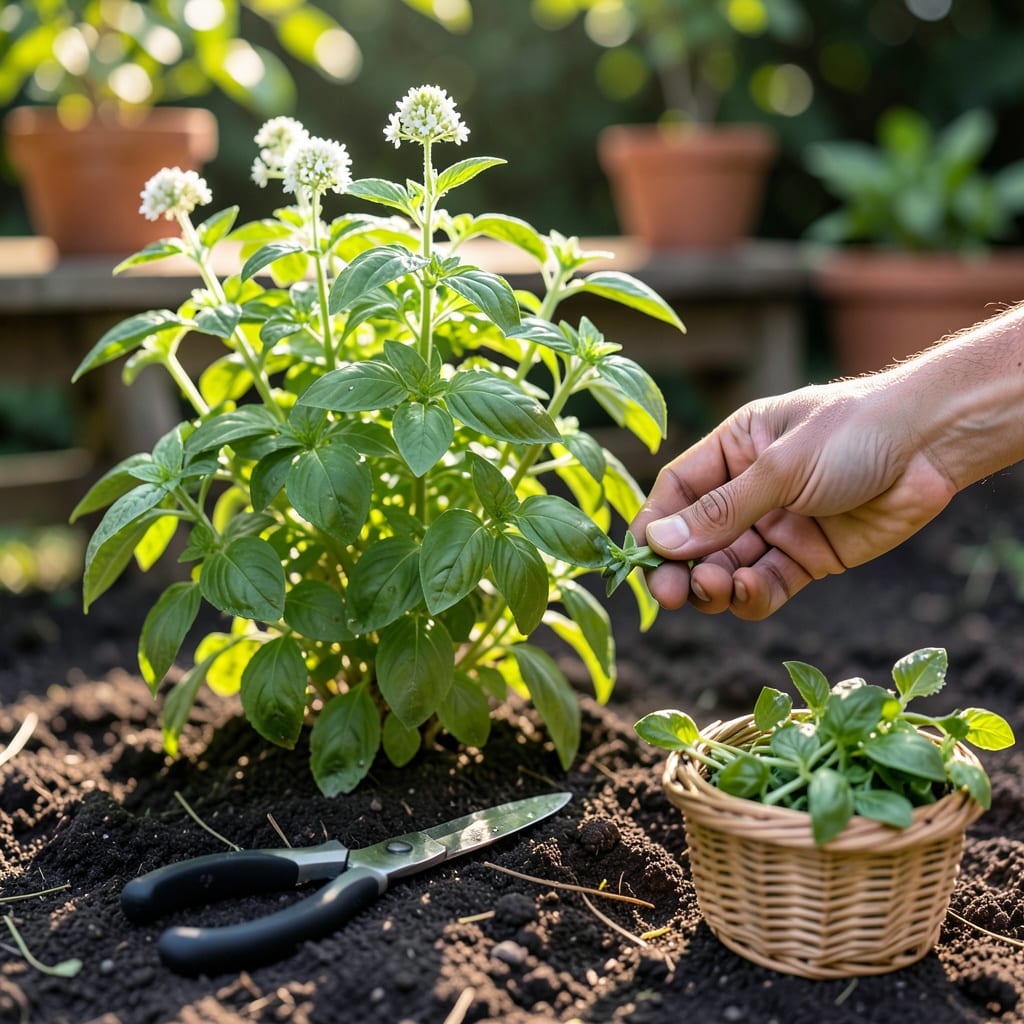
There’s nothing quite like the smell of fresh 🌿 Basil—unless it’s the disappointment of harvesting too early or too late. That split-second timing can turn your pesto from “meh” to magnificent, and your plant from struggling to thriving.
I’ve learned the hard way that waiting for those 2-3 inch leaves and firm green stems makes all the difference. Stick with me, and I’ll show you exactly when to make the cut—literally—so you get the most flavor without sacrificing your plant’s future growth.


Nothing beats the satisfaction of harvesting basil at its prime. The secret lies in watching for three key signs: leaf size, aroma, and stem firmness. I never pick until the leaves reach 2-3 inches long—that’s when the flavor is most concentrated.
Your nose knows best! Gently crush a leaf between your fingers. If you’re hit with that sweet, peppery scent, it’s ready. Weak or grassy smells mean you should wait. The stems should feel firm and green, not soft or woody.
Timing matters more than you think. I always check my basil in the early morning when the leaves are plump with moisture. Avoid harvesting during midday heat—the leaves lose moisture quickly, and the plant gets stressed.
Watch for flower buds forming at the top. Once basil starts flowering, the leaves turn bitter. If you see buds, snip them off immediately and harvest the top leaves. This keeps your plant focused on leaf production rather than reproduction.
For container-grown basil, check the lower leaves first. They often mature faster in pots due to limited space. I like to harvest these first to encourage upward growth. Just never remove more than 1/3 of the foliage at once—your plant needs leaves for photosynthesis!
If you’re growing Genovese basil, look for broad, cupped leaves. For Thai basil, the leaves are narrower but should still reach that 2-inch mark. Purple basil varieties are ready when their color deepens and the leaves feel slightly leathery.
Remember, basil grows in pairs of leaves at each node. When you see 4-6 pairs on a stem, it’s a good indicator the plant is mature enough for harvesting. I make my first cut just above the second pair from the top to encourage bushy growth.
After harvesting, I always give my basil a light watering to help it recover. Avoid heavy feeding right after cutting—wait 3-5 days before fertilizing. This gives the plant time to redirect energy to new growth rather than processing nutrients.
Timing isn’t just about leaf size—when you pick your basil during the day can make or break its flavor. I always reach for my shears in the early morning, right after the dew dries but before the sun gets intense. That’s when the essential oils are most concentrated.
The seasonal window matters too. In most zones, basil hits its prime from July to September, but warmer climates get an extended harvest. If you’re in a cooler area, watch for 60°F nights—that’s your cue to start harvesting before cold stress sets in.
For maximum regrowth, harvest every 2-3 weeks during peak season. Avoid picking during midday heat—the leaves wilt faster and lose potency. Always use clean, sharp scissors to prevent crushing stems.
If you’re growing basil indoors, mimic outdoor conditions by harvesting when your grow lights first turn on. The artificial light cycle should mirror morning sun for best results. I’ve found this keeps my indoor plants just as productive as their garden counterparts.
Watch the temperature swings too. Basil gets stressed below 50°F or above 90°F. During heatwaves, I harvest smaller amounts more frequently to reduce plant stress. In cooler months, focus on upper leaves first—they mature faster when growth slows.
For year-round harvests, consider succession planting. Start new seeds every 4-6 weeks so you always have fresh plants at different stages. This way, you’re never left without that fresh basil aroma when your main plant needs a break.
Remember, basil is a cut-and-come-again plant. The more you harvest correctly, the bushier it grows. Just never remove more than 1/3 of the plant at once, and always leave some lower leaves to fuel new growth. Your plant will thank you with months of flavor! 🌿
Harvesting basil the right way means more leaves for months—not a sad, leggy plant. I use the 1/3 rule: never remove more than a third of the plant at once. This keeps enough foliage for photosynthesis while encouraging bushier regrowth from the sides.
The pinching method works wonders for young plants. Simply use your fingernails to snip the top 2-3 sets of leaves just above a leaf node. This signals the plant to branch out instead of growing tall and spindly. For thicker stems, I switch to clean pruning shears to avoid tearing.
Always cut just above a leaf node—that’s where new branches will sprout. I make my cuts at a 45° angle to prevent water pooling, which can lead to rot. After harvesting, I remove any yellowing leaves near the base to improve airflow and reduce disease risk.
For flowering basil, act fast! Pinch off the top flower buds immediately and harvest the upper leaves. This redirects energy back to leaf production. If your plant is already flowering heavily, cut it back by half—it’ll regrow in 2-3 weeks with proper care.
Post-harvest care is crucial. I give my basil a light watering (not soaking) and move potted plants to partial shade for a day to recover. Avoid fertilizing for 3-5 days after cutting—let the plant focus on healing before pushing new growth. This simple routine keeps my basil producing all season! 🌿
You can harvest every 2-3 weeks during peak season. Just follow the 1/3 rule—never remove more than a third of the plant at once. This keeps it productive while allowing time to recover between harvests.
Early morning is ideal, right after dew dries but before temperatures rise. The leaves are most hydrated and flavorful then. Avoid midday heat—it stresses the plant and reduces essential oil concentration.
Yes, but act quickly! Pinch off flower buds immediately and harvest upper leaves. The flavor becomes bitter once flowering starts, so regular pruning prevents this. If heavily flowered, cut back by half—it’ll regrow in 2-3 weeks.
Signs of over-harvesting include drooping stems and slow regrowth. If you’ve removed more than 1/3 of leaves, give it extra water and shade. Avoid fertilizing for 3-5 days to let it recover.
