
Beautiful Plants For Your Interior
Beautiful Plants For Your Interior
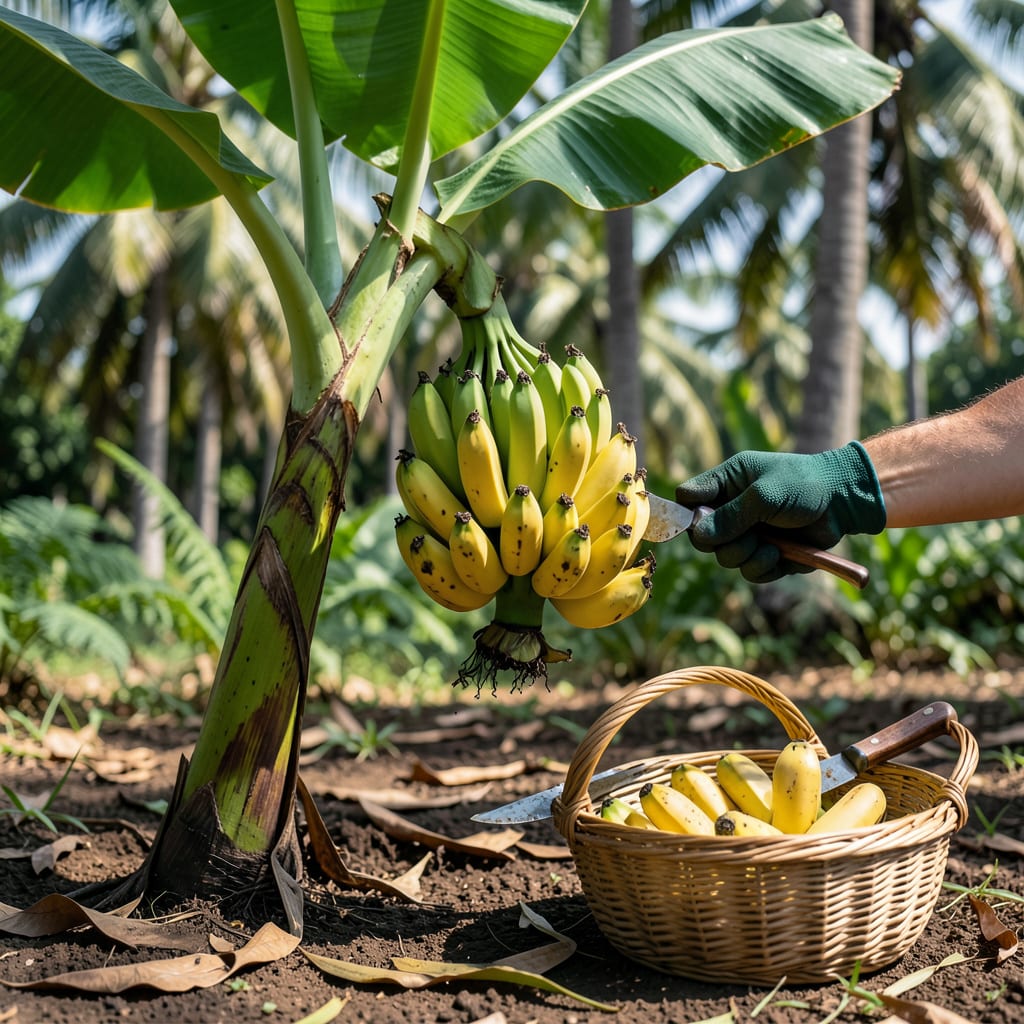
There’s nothing quite like the satisfaction of harvesting your own perfectly ripe bananas—plump, sweet, and ready to enjoy. But timing that harvest? That’s where many gardeners get it wrong, ending up with fruit that’s either too starchy or overripe.
I’ve learned the hard way that waiting for that just-right moment makes all the difference. Whether you’re growing a backyard 🍌 plant or working with a store-bought bunch, I’ll show you the simple signs to look for—so you never miss your window for the best flavor and texture.


Knowing exactly when to harvest your homegrown bananas can feel like a guessing game, but the plant actually gives you clear visual clues. The first sign I look for is the color shift—when those deep green fingers start lightening to a pale yellow-green, you’re getting close. This transition usually happens 90-120 days after flowering.
The real magic happens when the fruit plumps up and the angles soften. Immature bananas have sharp, pronounced ridges, while ripe ones develop a rounded, filled-out appearance. I run my fingers along the bunch—when they feel slightly yielding (like a ripe avocado), it’s nearly time. This tactile test works better than color alone!
Here’s my foolproof stem separation test: Gently lift one banana from the bunch. If it resists strongly, wait 2-3 more days. The perfect harvest window is when they detach with a clean snap and a slight twist—no tools needed! For Cavendish varieties, this typically occurs when 3-4 fingers on the bunch show yellow.
Climate plays a huge role in timing. In tropical zones, bananas may ripen in as little as 90 days after flowering, while cooler areas can take 120+ days. I’ve noticed my Lady Finger bananas ripen faster than Cavendish—usually by about 2 weeks. Keep a garden journal to track your plant’s specific rhythm!
Watch the flower remnant at the bunch’s end too. When it dries completely and drops off, your bananas are usually 2-3 weeks from harvest. This is when I start checking daily. The fruit should reach 6-8 inches long for most varieties—any smaller means they were pollinated late or lacked nutrients.
Don’t forget the “full but not bulging” rule. Ripe bananas should look well-filled but not swollen. Overly plump fruit often indicates overwatering during development, which dilutes flavor. If your bananas look like they might burst, harvest immediately—even if they’re still slightly green.
For container-grown bananas, timing can be trickier due to limited root space. I’ve found they often ripen 10-14 days earlier than in-ground plants. The key is monitoring the pseudostem health—if it starts yellowing rapidly, the plant is redirecting energy to the fruit, signaling harvest time is near.
Remember that bananas continue ripening after picking, so it’s better to harvest slightly early than late. I aim for 70-75% yellow coloration on the plant, then let them finish ripening indoors. This prevents bird damage and gives me more control over the final texture. Store them at room temperature away from direct sunlight for even ripening.
If you’re growing red bananas or other specialty varieties, adjust your timing. These often ripen when the skin turns a deep maroon rather than yellow. The same tactile tests apply—look for that slight give when pressed. When in doubt, harvest one test banana first to gauge the bunch’s readiness.
Even experienced gardeners can mess up banana harvest timing. The most common blunder? Picking too early. When bananas are still mostly green, they’ll taste starchy and bland—no matter how long you let them ripen indoors. I’ve ruined entire bunches by being impatient!
On the flip side, waiting too long is just as bad. Overripe bananas turn mushy, develop brown spots too quickly, and lose that perfect firm-yet-creamy texture. Tropical heat speeds this up, so check your plants daily as they near maturity.
Fix: Harvest in dry mornings when fruit is 75% yellow.
Another sneaky issue? Ignoring the weather. A sudden cold snap can stall ripening, while extreme heat makes bananas ripen unevenly. I once lost half a bunch to an unexpected frost—lesson learned! Always check the 10-day forecast before planning your harvest.
Don’t forget the stem test. If the bunch detaches too easily, you’ve waited too long. Ideal bananas should require a gentle twist or clean cut with pruning shears. Pro tip: Leave a 1-inch stem attached to slow post-harvest ripening.
For store-bought bunches, the same rules apply. Avoid pre-split or bruised bananas—they ripen too fast. Instead, pick firm, unblemished fruit with a mix of green and yellow. They’ll last longer and taste sweeter when fully ripe.
If you’ve already picked too early, don’t panic! Place bananas in a paper bag with an apple to speed up ripening. The ethylene gas works wonders. For overripe fruit, blend into smoothies or dehydrate for banana chips—waste nothing!
Once you’ve harvested your bananas, the real magic begins with post-harvest ripening control. I’ve found that even slightly underripe bananas can become perfectly sweet with the right techniques. The key is understanding how ethylene gas and temperature work together to transform your fruit.
The simplest trick? Use a paper bag with an apple. Apples release ethylene gas, which accelerates ripening. Just place your bananas in the bag with an apple, fold the top closed, and check daily. This method can ripen green bananas in 2-3 days at room temperature.
For faster results, add 2-3 apples to the bag. The more ethylene producers, the quicker your bananas will ripen. Check daily to avoid overripening!
Best for: Underripe bananas needing a 3-5 day boost
Temperature control is your secret weapon. For slower ripening, store bananas at 55-60°F (like in a cool pantry). Need to speed things up? Move them to 70-75°F. I once saved a batch of rock-hard bananas by placing them near my oven vent for 24 hours—the gentle warmth worked perfectly.
To extend shelf life, separate the bunch into individual bananas. This reduces ethylene concentration between fruits. Wrap the stems with plastic wrap to slow moisture loss. I’ve kept bananas fresh for 5-7 extra days using this simple trick. For long-term storage, peel and freeze ripe bananas in airtight containers—they’re perfect for smoothies!
Watch for the ripening timeline: green → yellow → speckled brown. At the first brown speckles, your bananas are at peak sweetness. This is when I harvest them for eating fresh. For baking, wait until they’re mostly brown—they’ll be sweeter and mash easily. Remember that refrigeration stops ripening but turns peels brown (the fruit inside stays perfect!).
Bananas typically need 90-120 days to mature after flowering, depending on climate. In tropical zones, they may ripen faster (90 days), while cooler areas can take up to 120+ days. Keep an eye on color changes and fruit plumpness as key indicators.
Yes, but they’ll need to ripen indoors. Harvest when they’re 70-75% yellow for best results. If picked too early (deep green), they may stay starchy. Use a paper bag with an apple to speed up ripening for slightly underripe fruit.
Early morning is ideal when temperatures are cool. This reduces stress on both the plant and fruit. Avoid harvesting after rain or during peak afternoon heat, as this can cause splitting or uneven ripening.
Watch for full yellow color with brown spots and overly soft texture. If bananas detach too easily or feel mushy, they’re past their prime. Harvest immediately if you notice swelling or splitting to salvage what you can.
Lady Finger bananas often ripen 2 weeks faster than Cavendish. Red bananas turn maroon when ripe instead of yellow. Always check variety-specific signs rather than relying on standard yellow coloration.
