
Beautiful Plants For Your Interior
Beautiful Plants For Your Interior
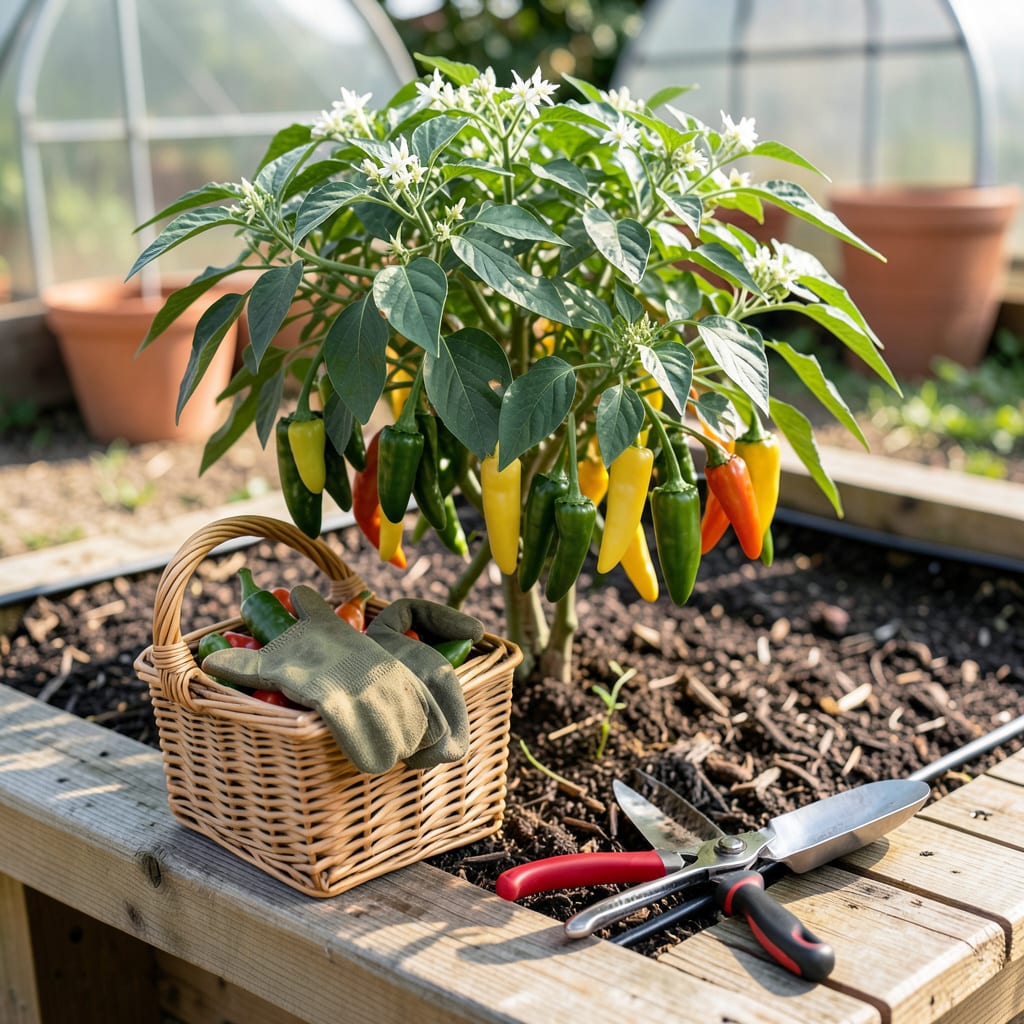
That moment when your 🌶️ Banana Peppers are finally ready to pick—only to realize you’re not sure if they’re at peak flavor. Too early and they’re bitter; too late and they lose that perfect crisp snap. I’ve been there, staring at my plants wondering if today’s the day.
Here’s the good news: timing your harvest is easier than you think. I’ll show you the exact visual cues and simple tricks I use to pick peppers at their flavor peak—every single time. No more guessing games, just perfect peppers from your garden.


Timing is everything when harvesting banana peppers. I’ve learned the hard way that picking too early can leave you with bitter, underdeveloped flavors, while waiting too long risks mushy textures. The perfect window is when peppers are firm, glossy, and vibrant—usually 60-70 days after planting.
Color is your first clue. Most varieties start green and transition to bright yellow, though some turn orange or red. Size matters too—aim for 5-6 inches long. If they’re still stubby or pale, give them more time. Trust me, patience pays off with sweeter, crisper peppers.
Firmness is another telltale sign. Gently press the pepper—it should give slightly under pressure but bounce back. If your thumbnail leaves a dent, it’s not ready. I like to check the stem too: a ripe pepper’s stem will snap cleanly when bent, while an unripe one resists.
For hot banana peppers, color deepens with heat. Yellow peppers are milder, while red ones pack more punch. If you prefer sweet varieties, harvest at the yellow stage. Remember, peppers left too long can develop tough seeds and lose their signature crunch.
Timing also depends on your growing conditions. In hotter climates, peppers may ripen faster—sometimes in as little as 55 days. Cooler zones might need the full 80 days. I track my plants with a journal to note when they hit peak ripeness each season.
Don’t forget to inspect the skin’s texture. A ripe banana pepper has a slightly waxy sheen, not dull or shriveled. If the skin looks wrinkled or feels leathery, you’ve waited too long. These peppers are best picked in the morning when they’re most hydrated.
If you’re growing multiple plants, stagger your harvest. Pick a few peppers at different stages to test flavor. I’ve found that early-morning harvests yield the crispiest peppers, while afternoon picks can be slightly softer due to sun exposure.
Pro tip: Use sharp pruners or scissors to avoid damaging the plant. Twisting peppers off can snap branches, reducing future yields. Leave a ½-inch stem attached to prevent rot during storage. I also wear gloves if handling hot varieties to avoid skin irritation.
Finally, watch for bird or pest damage. If peppers have holes or scars, harvest them immediately—even if slightly underripe. Better to enjoy them fresh than lose them to critters! With practice, you’ll recognize the perfect moment to pick every time.
Now that you know the signs, you’re ready to harvest like a pro. Next, we’ll dive into how timing affects flavor and spice levels—because a day or two can make all the difference in your pepper’s personality! 🌶️
If you’ve ever wondered why your banana peppers taste different from harvest to harvest, timing is everything. The moment you pick them directly impacts their sweetness, tanginess, and heat levels. Early picking yields milder, crisper peppers, while waiting longer intensifies flavor—sometimes adding unexpected spice!
Most gardeners don’t realize that capsaicin levels (the compound responsible for heat) increase as peppers mature. A bright yellow banana pepper picked at 60 days will be sweeter and milder than the same pepper left to turn orange or red. This is why I always recommend tasting one pepper before harvesting the entire batch!
For those growing sweet banana peppers, I recommend harvesting at the yellow stage (around 60 days). This is when they’re at peak sweetness with minimal heat. If you prefer a bit of kick, wait until they develop orange streaks, usually around day 65.
Here’s a pro tip: Morning harvesting preserves the best texture. The peppers are crispest after a cool night, and their sugar content is highest. Use clean pruning shears to avoid tearing the plant, which can invite pests or disease. Always leave a short stem attached to extend shelf life.
Remember that weather conditions play a role too. Hot, dry summers can speed up ripening, while cooler temperatures slow it down. In my garden, I’ve noticed peppers mature about 5-7 days faster during heatwaves. Keep an eye on them daily once they start changing color!
If you’re saving seeds, let a few peppers fully ripen to red—they’ll have the most viable seeds. But for eating, stick to your preferred color stage. And don’t forget: the more you harvest, the more peppers your plant will produce! Regular picking encourages new growth and extends your harvest season.
Even experienced gardeners sometimes misjudge the perfect harvest window for banana peppers. The biggest mistake I see? Waiting too long. Those bright yellow peppers can turn mushy or develop bitter flavors if left on the plant past their prime. Remember, these peppers grow quickly—check your plants every 2-3 days during peak season.
Another common pitfall is harvesting when peppers are still green and small. While technically edible, they’ll lack the signature sweet-tangy flavor that makes banana peppers special. I’ve found that peppers under 4 inches long often have underdeveloped seed cavities, which affects both texture and taste. Patience pays off here!
Don’t pull peppers—always use clean pruners to avoid plant damage.
Avoid wet plants—harvest in morning dryness to prevent disease spread.
Never twist stems—this can break branches and reduce future yields.
Many gardeners overlook the stem connection when harvesting. If you’re yanking peppers by hand, you risk tearing the plant’s delicate branches. I always keep a pair of sharp bypass pruners in my gardening apron. Make clean cuts about 1/4 inch above the pepper’s stem to encourage new growth and prevent entry points for pests.
Timing your harvest around weather conditions matters more than you might think. Picking peppers after heavy rain can lead to split skins and accelerated spoilage. I’ve learned to watch the forecast and plan my harvest for sunny mornings when plants are dry but not heat-stressed. This simple habit extends your peppers’ shelf life significantly.
Finally, don’t forget that overripe peppers signal the plant to slow production. If you spot peppers turning orange or red (unless you’re growing a colored variety), it’s past time to harvest. I make it a habit to remove any misshapen or blemished peppers early—they won’t improve, and they’re draining energy from healthier fruits.🌱
Banana peppers typically reach harvest readiness in 60-80 days after planting. Most varieties hit their prime around 70 days, when they’ve grown to 5-6 inches and developed that signature bright yellow hue.
While technically edible, green peppers lack the full sweet-tangy flavor. They’ll be more bitter and less crisp than mature ones. For best results, wait until they’ve turned bright yellow and feel firm to the touch.
Early morning is ideal, when plants are still cool and hydrated. Avoid harvesting during peak afternoon heat or after rain when plants are wet. This timing helps peppers stay fresh longer and prevents disease spread.
During peak season, check every 2-3 days. Banana peppers mature quickly, and missing just a few days can lead to overripe fruits. Regular checks ensure you catch them at perfect ripeness.
