
Beautiful Plants For Your Interior
Beautiful Plants For Your Interior
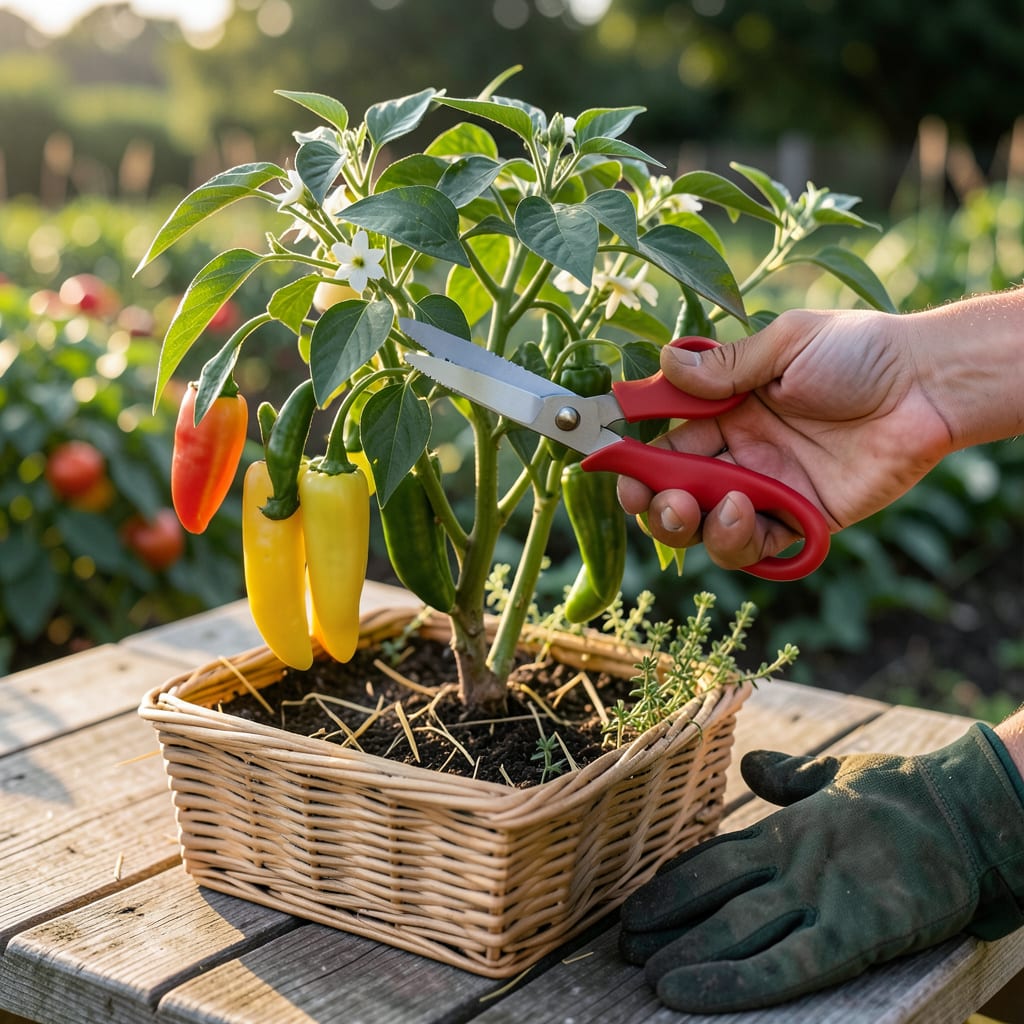
There’s nothing quite like the satisfaction of plucking a perfectly ripe banana pepper from your garden—if you time it right. That golden window between underripe and overripe can feel like a guessing game, but I’ve learned the exact signs to watch for.
Whether you’re aiming for tangy yellow peppers or sweeter red ones, knowing when to harvest makes all the difference. I’ll walk you through the visual cues and timing tricks I use every season to get that ideal crunch and flavor. Let’s make this your best pepper harvest yet.


I’ve found that banana peppers send clear signals when they’re ready for picking—if you know what to look for. The most obvious clue is color change, but size and texture play equally important roles. Most varieties start pale green and transition to bright yellow, then orange or red.
For the best flavor, I typically harvest when peppers reach 6-8 inches long and their color is uniform. The skin should feel smooth and firm, not wrinkled or soft. Remember, peppers left too long may develop tough skins or lose their crisp texture.
| Harvest Sign | What to Look For |
|---|---|
| Color | Bright yellow (or red for full ripeness) |
| Size | 6-8 inches long, uniform shape |
| Texture | Firm with slight give when pressed |
| Stem | Easily separates with gentle twist |
| Aroma | Sweet, peppery scent at stem |
Timing matters too—most banana peppers reach harvest readiness in 60-75 days after transplanting. In my zone 6 garden, this usually means late summer harvests. I check plants daily once they start changing color, as they can ripen quickly in warm weather.
The firmness test is my secret weapon: gently squeeze the pepper. It should feel like a ripe avocado—firm but with a little give. If it’s rock hard, give it another day or two. Overly soft peppers may be past their prime.
For those growing multiple varieties, remember that yellow banana peppers are typically milder, while red ones develop more sweetness and slight heat. I like to harvest some at each stage for different flavor profiles in my dishes.
Weather impacts harvest timing too. During heat waves, peppers may ripen faster, while cool spells can slow the process. I’ve learned to adjust my harvesting schedule based on the forecast, picking before heavy rains to prevent splitting.
If you’re unsure, try the taste test method: sample one pepper from different plants. This helps gauge overall readiness. Just remember that once picked, banana peppers won’t continue ripening like tomatoes will.
Pro tip: Harvest in the early morning when peppers are most crisp. I bring a basket and sharp scissors to the garden, cutting stems about 1/4 inch above the pepper to avoid plant damage. This simple practice has dramatically improved my harvest quality.
Finally, don’t stress about getting it perfect immediately. Even experienced gardeners sometimes misjudge. The more you harvest, the better you’ll recognize that perfect moment when your banana peppers are at their flavorful peak.
Did you know the perfect picking time changes depending on how you plan to use your banana peppers? I’ve learned that harvesting at different stages unlocks completely different flavors and textures. For fresh eating, I prefer them at the bright yellow stage when they’re crisp and mildly sweet.
When I’m planning to pickle, I harvest slightly earlier—when peppers are pale yellow-green with firm flesh. This earlier stage gives that perfect crunch pickles need. The peppers will continue to develop flavor during the pickling process, so you want them less mature than for fresh use.
| Use | Best Color Stage | Ideal Size | Flavor Profile |
|---|---|---|---|
| Fresh Eating | Bright yellow | 6-8 inches | Crisp, mildly sweet |
| Pickling | Pale yellow-green | 5-7 inches | Firm, tangy |
| Cooking/Drying | Orange-red | 7-9 inches | Sweet, slightly hot |
For cooking or drying, I wait until peppers turn orange or red. At this stage, they develop more complex flavors with natural sweetness and a hint of heat. The flesh becomes slightly softer, which works beautifully in cooked dishes or when dehydrated for pepper flakes.
I’ve discovered that batch harvesting works best for most gardeners. I pick a mix of colors each time, giving me peppers at different maturity levels. This approach ensures I always have the right pepper for any recipe, whether I need mild yellow ones for salads or fully ripe red peppers for sauces.
The time of day matters too for preserving quality. I always harvest in the early morning when peppers are most hydrated and crisp. This is especially important for pickling, where texture is everything. Evening harvests can sometimes yield limp peppers that don’t hold up as well.
Remember that weather conditions affect ripening speed. In my zone 6 garden, hot summers accelerate ripening, while cooler falls slow it down. I adjust my harvesting schedule accordingly, sometimes picking every other day during heat waves to catch peppers at their prime.
One trick I swear by: keep a harvest journal noting which color stages worked best for your favorite uses. Over time, you’ll develop an instinct for exactly when to pick based on your personal taste preferences and local growing conditions.
After years of growing banana peppers, I’ve seen even experienced gardeners make simple errors that cost them that perfect harvest. The most common mistake? Ignoring weather forecasts before picking. Heavy rain can cause peppers to split overnight, turning your prize crop into mushy disappointments.
Another harvest-killer is using dull or dirty tools. I always keep a pair of sharp, clean pruners dedicated just for peppers. Dull blades crush stems, creating entry points for disease. One season I learned this the hard way when my entire plant developed stem rot after using old scissors.
The third critical error is harvesting at the wrong time of day. I always pick in the early morning when peppers are most turgid. Evening harvests often yield limp peppers that don’t store well. The difference in crispness is noticeable immediately – morning-picked peppers stay firm for days longer.
Many gardeners also overlook post-harvest handling. Never leave peppers in direct sunlight after picking. I immediately move mine to a cool, shaded area. Even 30 minutes in hot sun can cause wilting and flavor loss. For best results, I rinse them gently and pat dry before storing in breathable containers.
One mistake I see beginners make is waiting too long between harvests. Banana peppers ripen quickly in warm weather. I check my plants daily during peak season. Missing just 2-3 days can mean the difference between perfect peppers and overripe, seedy ones with tough skins.
Finally, don’t forget about plant stress during harvest. I always support the plant with one hand while cutting peppers to avoid breaking branches. Rough handling can reduce future yields. With these simple adjustments, you’ll see both better quality peppers and healthier plants for your next harvest.
Most varieties reach harvest readiness in 60-75 days after transplanting. In warmer climates, they may mature faster—sometimes in as few as 50 days. Always check the seed packet for your specific variety’s timeline.
You can, but they won’t have developed their full flavor yet. Green peppers are typically more bitter and less sweet. For best results, wait until they turn at least pale yellow unless you specifically need them for pickling.
Early morning is ideal when peppers are most crisp and hydrated. Avoid harvesting during the hottest part of the day (10 AM-4 PM) as peppers may wilt quickly. Morning-picked peppers also store better and longer.
Unlike tomatoes, banana peppers won’t ripen significantly after harvest. They may change color slightly but won’t develop more sweetness. It’s best to leave them on the plant until they reach your desired ripeness stage.
Check daily once peppers start changing color. In warm weather, they can ripen surprisingly fast—sometimes going from green to yellow in just 2-3 days. Regular checking prevents missing that perfect harvest window.
