
Beautiful Plants For Your Interior
Beautiful Plants For Your Interior
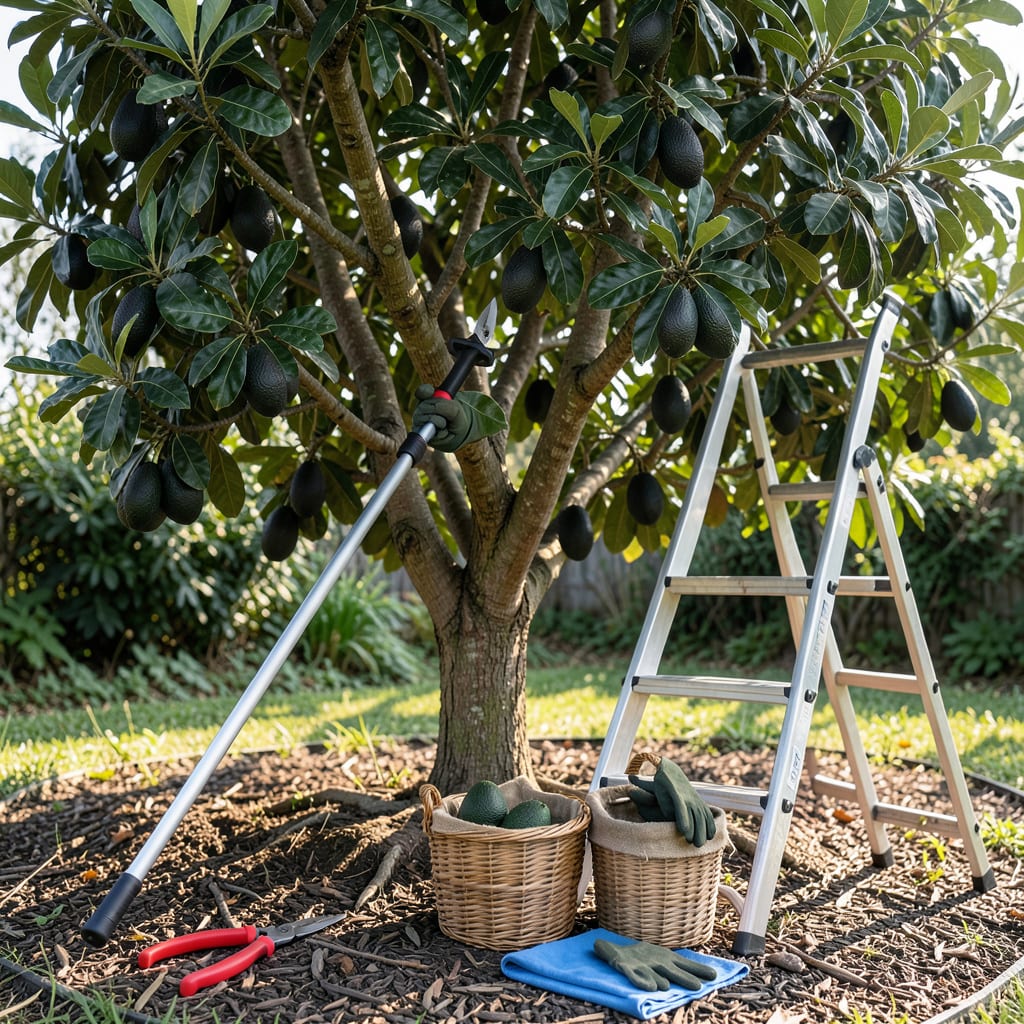
There’s nothing worse than watching your 🥑avocados drop from the tree before they’re ready—or worse, picking them too early and ending up with rock-hard fruit that never ripens. In Florida’s humid climate, timing isn’t just important—it’s the difference between a creamy harvest and a disappointing flop.
I’ve spent years perfecting the art of harvesting Florida avocados, and the secret lies in knowing your variety and the subtle signs of readiness. Whether you’re growing Hass, Lula, or Monroe, I’ll show you exactly when to pluck them for that buttery perfection—no guesswork required.


Florida’s unique climate means avocados don’t follow the same rules as those grown in California. Here, the harvest season stretches from June to March, but the exact timing depends entirely on your variety. Early-season types like Simmonds kick things off in summer, while late bloomers like Lula keep you picking into winter.
I’ve found that even within the same yard, microclimates can shift harvest times by weeks. Trees in South Florida (Zone 10-11) often ripen earlier than those in Central Florida (Zone 9b), thanks to warmer nights. That’s why knowing your variety’s typical window—and watching for local cues—is non-negotiable.
| Variety | Harvest Window | Key Traits |
|---|---|---|
| Simmonds | June–August | Early, glossy green skin, creamy texture |
| Booth 7 | July–September | Medium, pear-shaped, rich flavor |
| Monroe | August–October | Large, thick skin, cold-hardy |
| Lula | October–January | Late, smooth skin, buttery taste |
| Hass | November–March | Black skin when ripe, small size |
Note: Harvest windows shift with weather. Cold snaps delay ripening; heat waves speed it up.
Take Hass avocados, for example—they’re the only Florida variety that turns dark purple-black when ripe. Most others stay green or yellow-green, which confuses first-time growers. I always tell my clients: Don’t judge by color alone. Size and stem firmness matter more for green-skinned types.
If you’re in Central Florida, watch for earlier frost dates that can truncate the season. I’ve lost late-hanging Lula avocados to unexpected cold snaps in December. Down south, humidity extends the window, but also invites fungal pressure. That’s why I recommend picking Monroe avocados by late October—before the rainy season peaks.
Here’s a pro trick: Mark your calendar when flowers appear in spring. Most varieties take 6–8 months from bloom to harvest. For Simmonds, that means picking around July 4th if flowers debuted in January. Adjust for late frosts or droughts, which can delay fruit set by weeks.
Don’t overlook fruit size—it’s the most reliable cue. A mature Florida avocado should measure 6–12 inches long, depending on the variety. Booth 7 avocados, for instance, max out around 8 inches, while Monroe can hit a foot. I carry a ruler to the tree until I memorize the sizes.
Remember, avocados don’t ripen on the tree—they mature, then ripen after picking. That’s why commercial growers harvest early and let them soften in storage. For home growers, I suggest picking when 1–2 fruits drop daily. That’s nature’s signal the tree is ready. Just twist gently; if it resists, wait another week.
Finally, taste-test one fruit before harvesting the whole tree. Slice it open—if the flesh near the pit is yellow-green and creamy, the rest are ready. If it’s pale or fibrous, give them more time. And always pick in the early morning to reduce stress on the tree during Florida’s scorching afternoons.
With these variety-specific windows and local adjustments, you’ll nail the harvest every time. Next up, we’ll dive into the 5 key signs that tell you a Florida avocado is truly ready to pick—no guesswork required. 🌳
Knowing exactly when to harvest Florida avocados can feel like solving a puzzle. Unlike store-bought fruit, tree-ripe avocados won’t always scream “I’m ready!” with obvious color changes. After years of trial and error, I’ve narrowed it down to five foolproof signs that take the guesswork out of the process.
First, forget everything you’ve heard about avocados ripening on the tree. Florida varieties mature on the branch but only ripen after picking. That’s why commercial growers harvest early and let them soften in storage. For home gardeners, the trick is catching them at peak maturity—not a day before or after.
Pro Tip: Test the stem button—if it pops off easily with a flick, the fruit is mature enough to pick.
Here’s a trick I swear by: the “hang time” test. Once avocados reach full size, they’ll hang on the tree for 2–4 weeks in a mature (but not ripe) state. During this window, the oil content increases daily. I mark the first day I spot full-sized fruit, then start testing stems after 10 days.
Florida’s humidity adds another layer of complexity. In South Florida, avocados often develop a whitish bloom on their skin when ready—this is natural yeast, not mold. Further north, cold snaps can stall ripening, so I recommend picking Lula avocados by early December, even if they’re not dropping yet.
Don’t rely on the “squeeze test” you’d use at the grocery store. Tree-mature avocados should feel firm but yield slightly when pressed near the stem—not soft. If the fruit feels like a tennis ball, it’s too early. If it dents like a ripe banana, you’ve waited too long. I use my fingertips, not palm, for this test.
Finally, timing matters. Always harvest in the early morning when temperatures are cool. Avocados picked during midday heat stress more easily, leading to internal browning. After picking, let them ripen at room temperature (68–75°F) for 3–7 days, depending on maturity. Speed things up by placing them in a paper bag with a banana.
With these signs, you’ll never again wonder if your avocados are ready. Up next, we’ll cover the critical mistakes that can ruin your harvest—even after you’ve picked at the perfect time. ✂️
Even after mastering the perfect harvest window, simple errors can ruin your Florida avocado crop. I’ve seen gardeners lose entire seasons to avoidable mistakes—like picking during wet weather or ignoring variety-specific cues. Let’s break down the most costly blunders and how to sidestep them.
First, never harvest after rain. Wet avocados develop surface mold faster and ripen unevenly. I always check the 10-day forecast before planning my harvest. If rain’s coming, I’ll pick a day or two early rather than risk soggy fruit. Morning dew is fine, but post-storm humidity is a recipe for rot.
Fix: Use a harvest log to track variety windows and weather conditions each year.
Another critical error? Using the wrong tools. Avocados bruise easily, so ditch the pruning shears. I use a gentle twist-and-lift motion with my fingers or a padded fruit picker for high branches. If the stem doesn’t snap cleanly, the fruit isn’t ready—no matter how impatient you are.
Many gardeners also overlook post-harvest handling. Never toss avocados into a bucket—they’ll bruise. I line my containers with towels or bubble wrap and layer fruit carefully. For Hass avocados, I add a banana peel to the storage bag to speed ripening (the ethylene gas works wonders).
Finally, don’t wait for fruit to drop unless you’re harvesting Monroe avocados, which are more cold-hardy. Most varieties should be picked before they fall to avoid split skins or animal damage. I set a reminder to check trees weekly once the harvest window opens—miss a few days, and you might find raccoons beat you to the prize.
By avoiding these pitfalls, you’ll preserve both yield and quality. Next, let’s explore how to store your freshly picked avocados to extend their shelf life without losing that creamy Florida flavor. 🪴
Always pick in the early morning before 10 AM to avoid heat stress. Avocados harvested during midday heat are more prone to internal browning and uneven ripening. The cooler temperatures help preserve quality and extend shelf life.
If the fruit is still small (under 6 inches), has a glossy green skin, or the stem doesn’t snap cleanly, it’s not ready. Early-picked avocados often stay hard and never ripen properly. Wait until the skin dulls and the stem breaks with a gentle twist.
Avoid harvesting during or immediately after rain. Wet fruit is more susceptible to mold and uneven ripening. If rain is forecasted, pick a day or two early instead. Morning dew is fine, but heavy moisture spells trouble for storage.
When 1–2 fruits drop daily, it’s nature’s signal that the tree is ready for harvest. This typically happens when avocados reach peak maturity. If many are falling, check for overripeness or pest activity—especially raccoons or squirrels.
Unripe avocados keep for 1–2 weeks at room temperature or 3–4 weeks in the fridge. To speed ripening, place them in a paper bag with a banana. Once ripe, eat within 2–3 days or refrigerate to slow further softening.
