
Beautiful Plants For Your Interior
Beautiful Plants For Your Interior
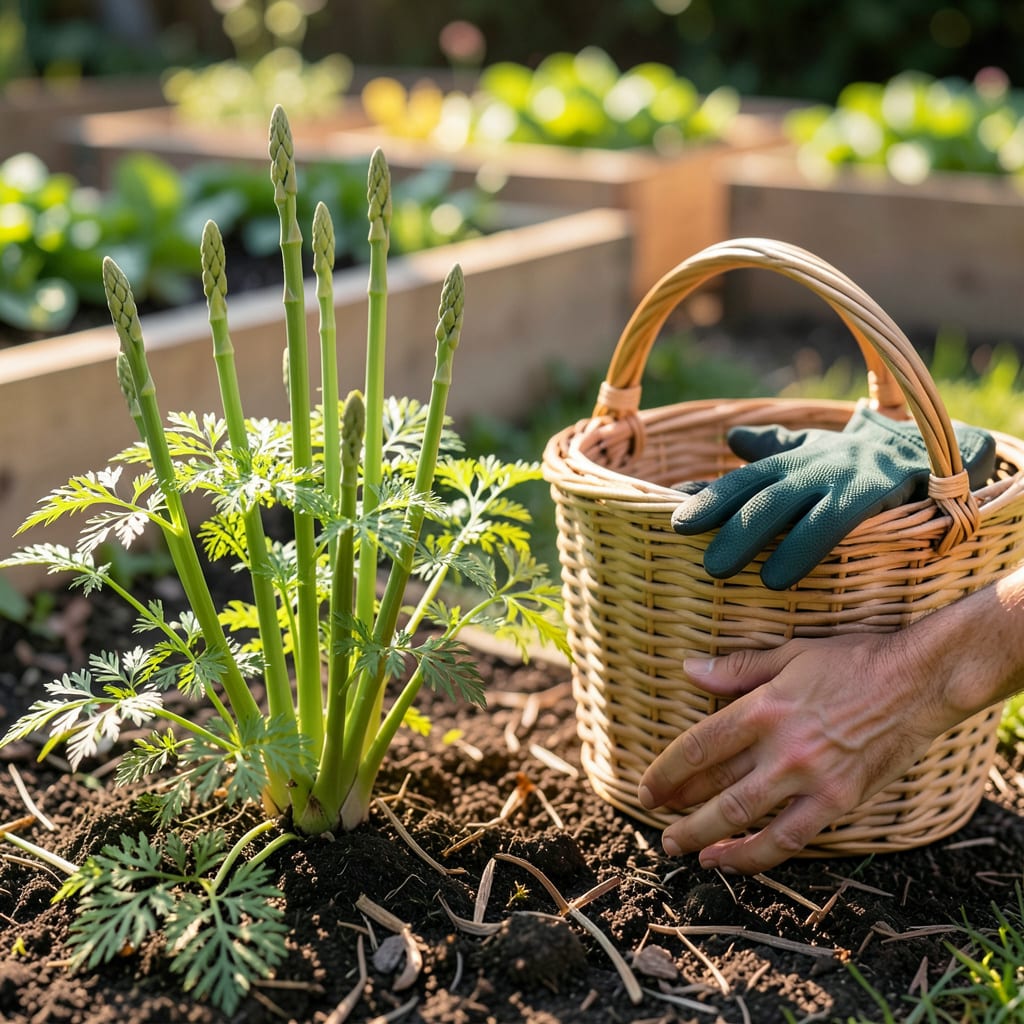
There’s nothing quite like the satisfaction of plucking a perfect asparagus spear—tender, crisp, and bursting with flavor. But timing is everything. Pick too soon, and you’ll sacrifice future harvests; wait too long, and those stalks turn tough and fibrous.
I’ve learned the hard way that asparagus doesn’t wait for anyone. Whether you’re a first-time grower or a seasoned gardener, knowing the exact moment to harvest makes all the difference. Let’s break down the key signs and seasonal cues so you never miss your window again.


Timing your asparagus harvest is like catching the perfect wave—too early and you’ll miss the sweet spot, too late and the stalks turn tough. I’ve learned the hard way that 6-8 inches tall is the magic range for most varieties. But height isn’t the only clue. Let’s break down the visual and tactile signs that scream, “Pick me!”
First, check the tip tightness. Ready asparagus spears have firm, closed tips that look almost polished. If the tips are starting to loosen or feather out, you’ve waited too long. Color matters too—bright green (or purple for varieties like ‘Purple Passion’) signals peak tenderness. Dull or yellowing? That’s your cue to leave it.
| Harvest Sign | Ready to Pick | Needs More Time |
|---|---|---|
| Spear Height | 6-8 inches ✅ | Under 4 inches 🔴 |
| Tip Appearance | Tight & firm 🟡 | Loose/feathery ❓ |
| Stalk Thickness | Pencil-width or thicker ✅ | Thin as a straw ⚪ |
| Snap Test | Clean break when bent 🔔 | Bends without snapping 🔴 |
The snap test is my favorite foolproof trick. Gently bend a spear near the base—if it snaps cleanly, it’s ready. If it bends like a rubber band, give it 24-48 more hours. This works because asparagus fibers toughen as they grow. Pro tip: Harvest in the early morning when stalks are crispest.
Watch the diameter too. Ideal stalks are about as thick as your index finger (or a #2 pencil). Skinnier spears lack flavor and texture, while overly thick ones (over ½ inch) can be fibrous. If you’re growing purple or white asparagus, harvest when colors are vibrant—purple turns green and white turns bitter if left too long.
Climate plays a role in timing. In cooler zones (3-5), asparagus may take 4-6 weeks longer to mature than in warmer zones (7-9). I’ve noticed my Zone 6a spears are typically ready by mid-May, while friends in Zone 8 start picking in early April. Keep a garden journal to track your local patterns.
Don’t ignore the fern stage. Once spears start branching into leafy ferns, they’re past prime eating. But here’s the silver lining: Let a few spears mature into ferns each season. They’ll photosynthesize and feed the roots, ensuring stronger yields next year. I aim to leave 2-3 ferns per plant by season’s end.
If you’re growing first-year asparagus, resist the urge to harvest! Let all spears grow into ferns to establish a strong root system. Year two, you can take a light harvest (2-3 weeks max). By year three, your bed should produce for 8-10 weeks if managed well. Patience now means decades of harvests later!
After cutting, your asparagus plants need TLC. I water deeply (1-2 inches per week) and add a balanced 10-10-10 fertilizer every 4-6 weeks during the growing season. Avoid high-nitrogen feeds—they’ll push leafy growth at the expense of spears. Mulch with straw or compost to retain moisture and suppress weeds.
Remember, asparagus is a perennial crop—how you harvest today affects yields for 15+ years. If you notice spears getting skinnier or fewer as the season progresses, it’s time to stop cutting and let the plant recover. In my garden, I call it quits by late June to give plants a summer rest.
Finally, trust your senses. The best asparagus has a slight squeak when rubbed between your fingers and a fresh, grassy aroma. If it smells earthy or looks dull, you’ve missed the window. But don’t stress—even veteran gardeners misjudge occasionally. The key is learning your plants’ rhythms year after year. 🌱
Timing your asparagus harvest isn’t just about grabbing spears when they pop up—it’s about strategic planning to maximize yield without exhausting the plant. I’ve found that established beds (3+ years old) can produce for 6-8 weeks, while younger plants need a shorter season.
Start harvesting when spears reach 6-8 inches tall, but don’t rush—first-year plants should only be picked for 2 weeks max to build strength. In cooler climates like USDA Zone 6, expect your first spears in late April, while warmer zones may see them in early March.
Watch the weather—heat waves can speed up spear growth, requiring twice-daily checks. If temps drop below 50°F, growth slows, so extend your harvest window by 3-5 days. Always use a sharp knife or snap spears by hand to avoid crown damage.
For young plants (1-2 years old), limit harvests to 2-3 weeks total. I like to mark my calendar: May 1–15 for first-year beds, then April 15–June 15 once established. This balance ensures long-term productivity without stressing the roots.
After your final harvest, switch gears: fertilize with 10-10-10 and water deeply to replenish nutrients. Let the remaining spears grow into tall ferns—they’ll feed the crowns for next season. In fall, cut back dead foliage but leave 2 inches of stem to mark the bed.
Pro tip: Keep a harvest journal! Note when spears first emerge, how often you pick, and when they thin out. Over time, you’ll spot patterns—like how my Zone 6 bed always peaks in mid-May, while my friend’s Zone 8 plot starts in early March.
Remember, asparagus is a marathon plant—not a sprint. With patience and precise timing, your bed can thrive for 15+ years, yielding more each season. Now grab those spears before they turn into ferns!
Even experienced gardeners can sabotage their asparagus harvest with a few common blunders. I’ve made my share of mistakes—like harvesting too early or cutting spears too low—and learned the hard way how these errors reduce yields for years to come. Let’s tackle the biggest pitfalls so you can avoid them.
The #1 mistake I see is over-harvesting young plants. First-year asparagus should never be picked—let all spears grow into ferns to build root strength. Even in year two, limit harvests to 2-3 weeks max. I once harvested my second-year bed for six weeks and paid for it with stunted growth the next season.
Fix it: Stop harvesting when spears are thinner than a pencil, and always leave some to fern out.
Another critical error is cutting spears too short. Never trim below the soil line—this can wound the crown, inviting rot. Instead, cut 1-2 inches below the soil surface or snap spears at ground level. I use a sharp knife (sanitized with rubbing alcohol) to make clean cuts that heal quickly.
Many gardeners also miss the stopping point. Asparagus plants need recovery time, so halt harvesting when spears become spindly (thinner than a pencil) or when daily yields drop. In my Zone 6 garden, I stop by late June, but warmer zones may extend to early July. Pushing plants too long weakens them for next year.
Weather extremes demand adjustments. During heat waves, spears grow too fast, turning woody in hours. I check my bed twice daily when temps exceed 85°F. Conversely, cold snaps slow growth—extend your harvest window by 3-5 days if nights dip below 50°F. Keep a garden thermometer handy to track conditions.
Finally, neglecting post-harvest care is a silent killer. After your last cut, fertilize with 10-10-10 balanced feed and water deeply to replenish nutrients. Let remaining spears grow into tall ferns—they’ll photosynthesize and store energy for next year. I add 2 inches of compost in fall and mulch with straw to protect crowns over winter. With these fixes, your asparagus bed can thrive for 15+ years! 🌱
Aim for 6-8 inches tall—this is the sweet spot for tenderness. Spears shorter than 4 inches lack flavor, while taller ones risk turning fibrous. Always check the tip tightness too; it should be firm and closed.
Never harvest first-year plants! Let all spears grow into ferns to establish a strong root system. Year two allows a light harvest (2-3 weeks max). Patience now means decades of harvests later.
Early morning is ideal when stalks are crispest. Avoid midday heat, which can make spears limp. Use a sharp knife or snap by hand just below soil level to prevent crown damage.
Stop when spears become thinner than a pencil or daily yields drop. In Zone 6, this is typically by late June. Let remaining spears grow into ferns to recharge the plant for next year.
Heat waves speed up growth—check beds twice daily if temps exceed 85°F. Cold snaps slow growth; extend your window by 3-5 days if nights dip below 50°F.
