
Beautiful Plants For Your Interior
Beautiful Plants For Your Interior
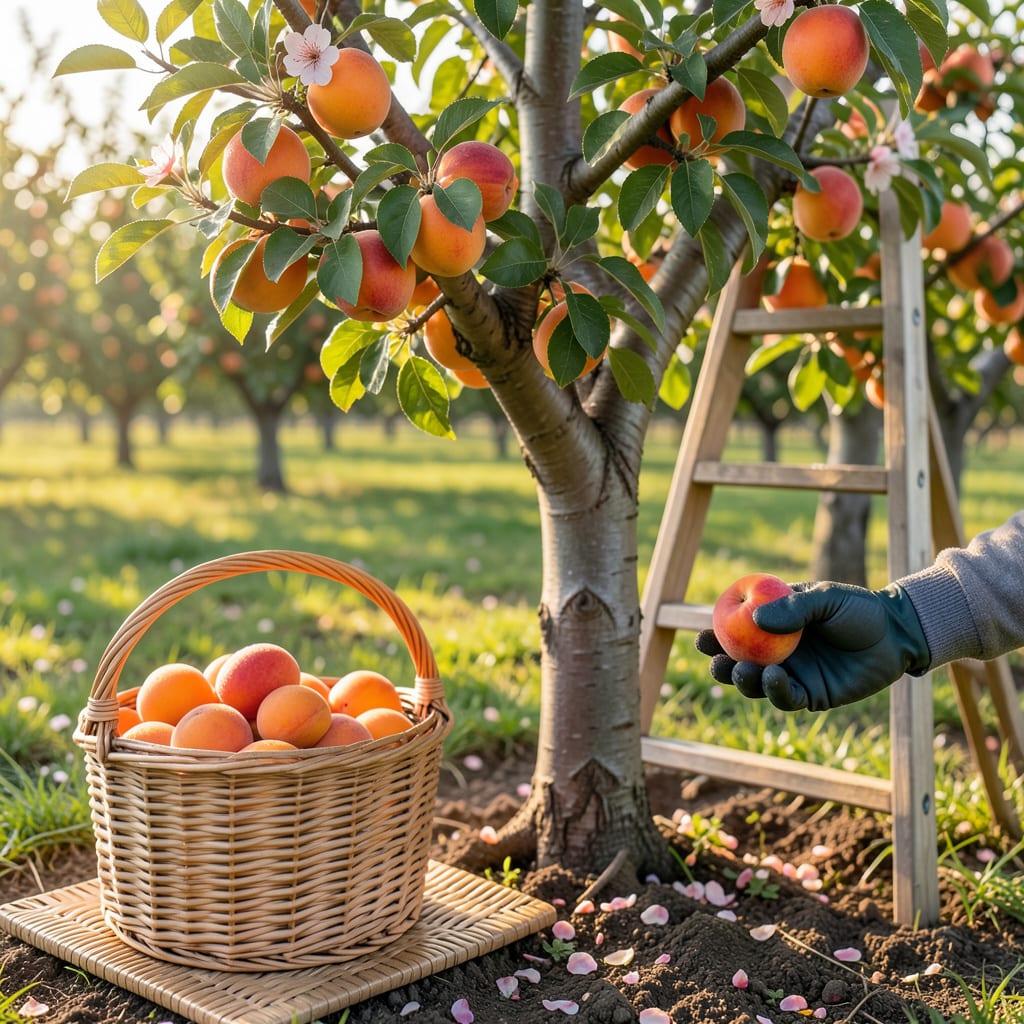
There’s nothing quite like biting into a perfectly ripe apricot—juicy, sweet, and bursting with summer flavor. But timing that harvest? That’s where most gardeners get it wrong.
Pick too early, and you’re left with tart, firm fruit. Wait too long, and the birds (or overripeness) beat you to it. I’ll show you the exact signs to watch for—color, texture, and even scent—so your 🍑 Apricots are always at their peak. Let’s make this your best harvest yet.


Nothing beats the taste of a tree-ripened apricot, but knowing exactly when to harvest can feel like a guessing game. I’ve learned the hard way that color alone isn’t enough—you’ve got to check texture, aroma, and stem separation too. Let’s dive into the foolproof signs.
First, look for that golden-orange hue—but don’t stop there. Some varieties, like ‘Blenheim’, turn a deep orange, while others, like ‘Moorpark’, stay slightly yellow. The real test? Gentle pressure. A ripe apricot should give just slightly, like a peach at its prime.
| Sign | Not Ready | Perfectly Ripe |
|---|---|---|
| Color | Green or pale yellow 🟢 | Deep orange or golden 🟡 |
| Texture | Hard as a rock ❄️ | Slight give when pressed ✅ |
| Aroma | No scent 🔇 | Sweet, floral fragrance 👃 |
| Stem | Clings tightly | Twists off easily |
Next, give your apricot the “sniff test”. A ripe fruit will have a sweet, almost floral aroma at the stem end. If it smells like nothing, it’s not ready. And if it’s overpowering? You’ve waited too long—those are best for jam (or the compost pile).
The stem twist is my favorite trick. Gently grasp the apricot and twist it upward. If it separates easily with just a little resistance, it’s ready. If you’re tugging hard, leave it for another day. This method works especially well for ‘Tilton’ and ‘Katy’ varieties.
Watch out for “shoulder softness”—the area near the stem. If it’s mushy, the fruit is overripe. But if it’s firm while the rest yields slightly, you’ve hit the sweet spot. I like to pick a few at this stage and let them ripen indoors for 24-48 hours if I’m not ready to use them.
Climate plays a role too. In hot, dry areas, apricots may develop a reddish blush—that’s sunburn, not ripeness! Focus on the underside color instead. And in humid regions, fruit might feel softer sooner, so rely more on color and aroma to avoid picking too early.
Here’s a pro move: Taste-test one! If the apricot near the stem is sweet and juicy, the rest are ready. If it’s still tart at the center, give them another 2-3 days. Remember, apricots don’t ripen further once picked, so patience pays off.
Finally, keep an eye on the birds and squirrels. If they’re showing interest, your apricots are almost ready. I’ve lost entire crops by waiting one day too long—so when you see feathered friends circling, it’s time to harvest, even if a few aren’t fully ripe yet. 🌿
Once picked, store apricots at room temperature for up to 3 days or refrigerate for a week. For longer storage, slice and freeze them on a tray before bagging—they’ll keep their texture for smoothies or baking all winter long!
If you’ve ever wondered why your neighbor’s apricots ripen weeks before yours, climate zones and microclimates are the secret. Apricots typically ripen between late May and early August, but your exact window depends on where you live. Let’s break it down by region so you never miss that perfect harvest moment.
In cooler zones (USDA 5-6), like the Pacific Northwest or Midwest, apricots usually ripen in July. But if you’re in warmer zones (7-9), such as California or the Southwest, expect fruit as early as late May or June. Even within these zones, a south-facing slope can speed ripening by 1-2 weeks!
| USDA Zone | Typical Harvest Window | Early Varieties | Late Varieties |
|---|---|---|---|
| 5-6 | July – Early August | ‘Early Golden’ (June) | ‘Royal Rosa’ (August) |
| 7-8 | June – July | ‘Blenheim’ (May-June) | ‘Moorpark’ (July) |
| 9 | May – June | ‘Tilton’ (May) | ‘Katy’ (June) |
Coastal areas with cool summers (like San Francisco) often see delayed ripening by 10-14 days compared to inland valleys. If you’re near the ocean, watch for slower color development—your apricots might stay greenish longer but still be sweet inside. A quick gentle squeeze test will confirm ripeness.
For high-altitude gardens (think Colorado or Utah), apricots ripen later due to shorter growing seasons. Here, ‘Robada’ or ‘Harcot’ varieties thrive because they tolerate cooler nights. If you’re above 5,000 feet, plan for a July-August harvest and protect blossoms from late frosts.
Don’t forget urban heat islands! City gardens with concrete or asphalt nearby can ripen fruit 1-2 weeks earlier than rural areas. If your tree is near a sidewalk or driveway, start checking for ripeness in early June—even in zone 6. Use a reflector mulch to moderate soil temps if needed.
Pro tip: Track your tree’s bloom date. Apricots generally ripen 90-120 days after flowering. Jot down when your tree blooms each spring, then count forward to estimate harvest time. This trick works even if your climate shifts year to year—no more guessing games!
And remember, birds love ripe apricots as much as you do. If your fruit is nearing readiness, drape netting over the tree a few days early. Nothing’s worse than losing your harvest to feathered bandits just 24 hours before peak ripeness! 🌳
I’ve seen too many gardeners lose their entire apricot crop to simple, avoidable errors. The worst part? Most mistakes happen in the final 48 hours before harvest. Let’s tackle the three biggest pitfalls so your fruit stays perfect from tree to table.
First up: waiting too long. Overripe apricots turn mushy, attract fruit flies, and even ferment on the tree in hot weather. I once lost half my harvest to wasps because I hesitated just two days past peak ripeness. The fix? Check your tree daily once fruit starts coloring up.
Mistake #2: picking too early. Unripe apricots won’t sweeten off the tree—they’ll stay tart and mealy. I learned this after eagerly harvesting a whole basket of pale yellow fruit, only to end up with hard, flavorless disappointment. Always check the shoulder near the stem—it should yield slightly when pressed.
Then there’s the handling disaster. Apricots bruise easier than you’d think. Stack them too high in your basket, or toss them into bags, and you’ll end up with mushy spots within hours. My solution? Use a shallow tray lined with a towel, and never pile more than two layers deep.
Finally, don’t skip the post-harvest sort. Mixing ripe and unripe fruit in storage causes the ripe ones to spoil faster while the unripe ones never improve. I sort mine into three piles: “eat now” (fully ripe), “ripens in 2 days” (firm but colored), and “needs more tree time” (still greenish). This simple step extends freshness by 3-5 days. 🪴
Once they start changing color, check daily. Apricots can go from perfect to overripe in 24-36 hours, especially in warm weather. Morning checks are best since fruit softens as temperatures rise.
Unlike some fruits, apricots won’t ripen further once picked. They must fully ripen on the tree for best flavor. If picked early, they’ll stay tart and mealy. Only harvest when they pass the color, scent, and gentle squeeze tests.
Sun exposure and branch location cause this. Fruit on south-facing branches ripens first, while shaded areas lag behind. Varieties like ‘Blenheim’ also ripen unevenly. Harvest in stages, picking only the ready fruit each time.
Keep them at room temperature for up to 3 days in a single layer. For longer storage, refrigerate in a paper bag for 5-7 days. Avoid plastic bags—they trap moisture and cause rot. Freeze sliced apricots on a tray before bagging.
Drape fine mesh netting over the tree as soon as fruit colors up. Secure it tightly at the trunk. For small trees, reflective tape or old CDs hanging from branches can deter birds. Harvest immediately if you spot peck marks!
