
Beautiful Plants For Your Interior
Beautiful Plants For Your Interior
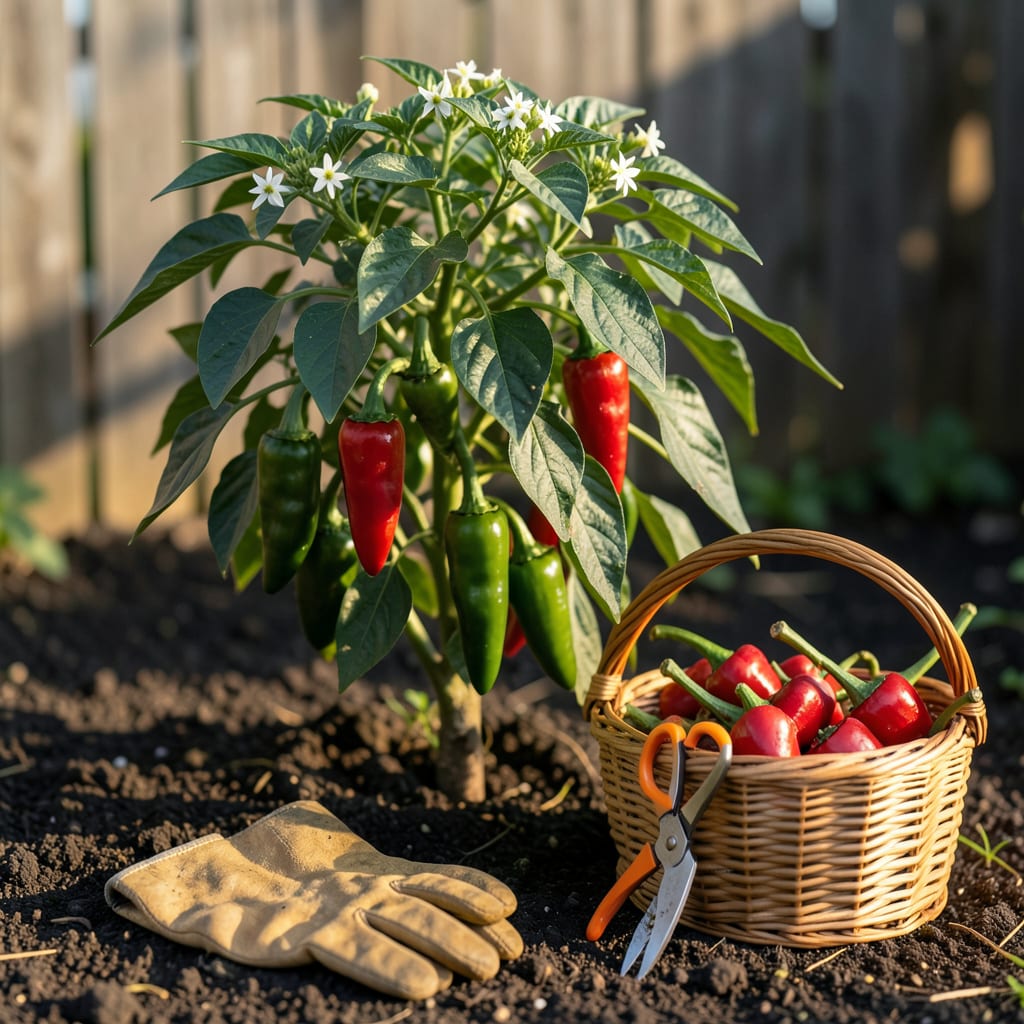
There’s nothing quite like the satisfaction of plucking a perfectly ripe Anaheim pepper from your garden—only to realize too late that you missed the ideal window. That split-second timing between underripe and overripe can mean the difference between a flavorful harvest and a disappointing one.
I’ve learned the hard way that these peppers don’t wait for anyone. Whether you’re aiming for mild green pods or fully matured red ones, knowing exactly when to act is the key. Let me show you how to read your plants like a pro—so you never second-guess that harvest moment again.


If you’ve nurtured your Anaheim peppers from seedling to maturity, the harvest moment is your reward. But how do you know they’re truly ready? I’ve learned that color, size, and texture are your best guides—these peppers transform dramatically as they ripen.
Most gardeners don’t realize Anaheims can be harvested at multiple stages, each offering different flavor profiles. The green stage (60-70 days) gives you milder peppers perfect for stuffing, while waiting for red maturity (90+ days) delivers sweeter, slightly hotter fruits ideal for roasting.
*Tip: Harvest in morning hours for crispest peppers with highest water content.
The firmness test is my go-to trick: gently squeeze the pepper. It should feel solid with slight give, like a ripe avocado. If it’s rock-hard, give it more time. A glossy skin is another telltale sign—dull peppers aren’t ready yet.
Don’t overlook the stem connection. When Anaheims are ready, they’ll detach with a clean snap when bent slightly upward. If you’re pulling hard, they need more time. I always use pruning shears to avoid damaging the plant’s delicate branches.
For those in hotter climates, your peppers may ripen 10-15 days faster than the averages. Watch for color changes daily once they reach 6 inches. Cooler regions might extend maturity by a week or two—keep a garden journal to track your local patterns.
The size matters more than you think. While Anaheims can grow up to 10 inches, I find the 7-8 inch range offers the best balance of meaty walls and manageable heat. Smaller peppers (under 6 inches) often lack the signature Anaheim flavor depth.
Here’s a pro tip: if you want consistent mildness, harvest at the green stage. But for complex, smoky notes, let them blush red. I’ve noticed the heat level increases as they ripen, so taste-test one before harvesting your entire crop.
Remember that stressed plants produce peppers with thicker walls. If your Anaheims are smaller than expected, check your watering consistency—these peppers thrive on 1-1.5 inches of water weekly, especially during fruit set.
After harvesting, store unwashed peppers in a paper bag in your fridge’s crisper drawer. They’ll keep for 10-14 days this way. For longer storage, I recommend freezing whole peppers—no blanching needed! Just wash, dry, and pack in airtight containers. 🌱
Timing your Anaheim pepper harvest perfectly means balancing flavor development with heat levels. These peppers transition through three distinct stages, each offering unique taste profiles. I always track days from transplanting to hit the sweet spot.
Early green peppers (harvested at 60-70 days) deliver a milder flavor ideal for stuffing or roasting. Mid-stage peppers (around 70-85 days) develop more heat and complexity. For maximum sweetness and spice, wait until they turn deep red at 90+ days.
Climate plays a huge role in timing. In hotter zones (like USDA 9-11), peppers may mature 10-15 days faster than in cooler areas. I use a garden journal to note transplant dates and track progress weekly.
For consistent yields, stagger your harvests. Pick green peppers first to encourage more fruit production, then let later peppers ripen fully. This technique extends your harvest window by 3-4 weeks in my experience.
Watch for visual cues beyond color: peppers should feel firm with slight give and measure 6-10 inches long. The skin develops a glossy sheen when ready. If they feel soft or wrinkled, you’ve waited too long.
Remember that nighttime temperatures below 50°F can slow ripening. In cooler climates, I use row covers to maintain warmth and speed up maturity. This simple trick can shave 5-7 days off your harvest time.
After picking, store peppers in the crisp drawer of your fridge for up to 2 weeks. For longer storage, I freeze them whole or slice and dry for year-round use. The flavor holds beautifully!
Even experienced gardeners sometimes sabotage their Anaheim pepper harvest without realizing it. I’ve made these mistakes myself, and let me tell you—the difference between a perfect harvest and a disappointing one often comes down to avoiding these three critical errors.
The most common blunder? Picking too early. When peppers are still small and pale green, they’ll taste bitter and lack that signature Anaheim flavor. I always wait until they’re at least 6 inches long and have developed that telltale glossy sheen before even considering harvest.
Fix: Harvest when peppers are 6-10 inches, firm, and glossy.
On the flip side, waiting too long creates its own problems. Overripe Anaheims become soft and wrinkled, losing that perfect crisp texture. I check my plants daily once they reach maturity to catch peppers at their peak. The ideal window is surprisingly narrow—just 3-5 days for most pods.
Many gardeners overlook plant stress signals, which directly impact pepper quality. When plants lack water or nutrients, they produce smaller peppers with thicker walls. I maintain consistent moisture (1-1.5 inches weekly) and feed with a 5-10-10 fertilizer every 4-6 weeks during growing season.
The harvesting technique matters more than you’d think. Never yank peppers off the plant—this damages stems and reduces future yields. I use clean pruning shears to make precise cuts, leaving about 1/4 inch of stem attached to each pepper. This method prevents plant trauma and keeps your harvests coming.
Remember that morning harvesting makes a noticeable difference. Peppers picked in early daylight hours retain more moisture and stay crisp longer. I aim to harvest before 10 AM whenever possible, especially during hot summer months when peppers can become limp by afternoon. 🌱
Most Anaheim peppers reach harvestable size in 60-70 days when green, but full maturity (red stage) takes 90+ days. The exact timing depends on your climate and growing conditions.
Green Anaheims are perfectly edible and have a milder flavor. They’re great for stuffing or fresh use. Just ensure they’re at least 6 inches long and firm to the touch.
Overripe Anaheims become soft, wrinkled, and lose their crisp texture. The flavor also changes dramatically—becoming sweeter but sometimes too mushy for cooking. Aim for that 3-5 day perfect window!
Always use clean pruning shears to avoid damaging the plant. Cut with a 1/4 inch stem attached. Pulling can break branches and reduce future yields.
Morning is ideal! Peppers picked before 10 AM retain maximum crispness and moisture. Afternoon harvests often result in limp peppers, especially in hot climates.
