
Beautiful Plants For Your Interior
Beautiful Plants For Your Interior
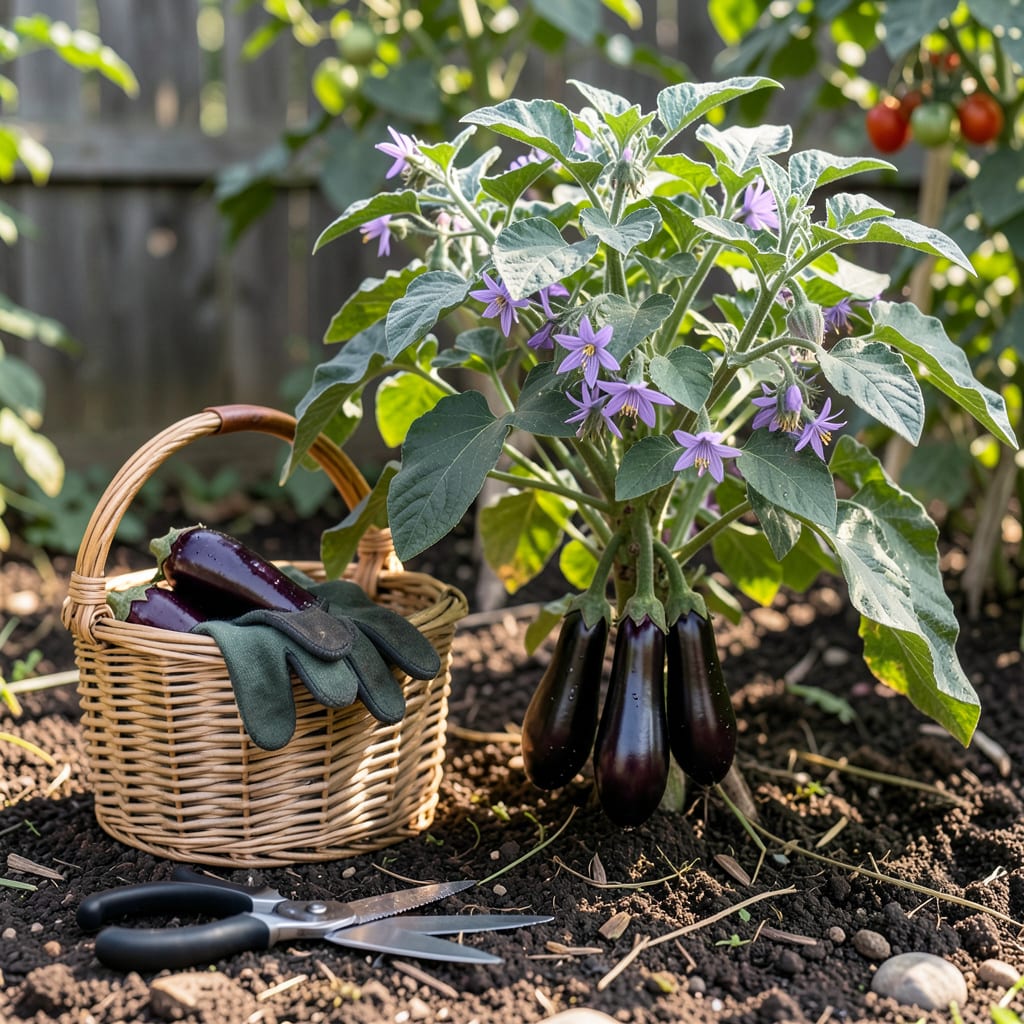
That moment when you finally spot your first ripe 🍆 eggplant is thrilling—until you second-guess whether it’s truly ready. Picking too soon means bitter, underdeveloped fruit, while waiting too long turns it seedy and tough. The difference between a perfect harvest and a disappointing one often comes down to just a few days.
I’ve learned the hard way that eggplants don’t ripen like tomatoes—they demand attention to subtle cues. From the glossy sheen of the skin to the gentle give under your thumb, I’ll show you exactly what to look for. No more guessing games, just juicy, flavor-packed results every time.


Knowing exactly when to pick an eggplant can feel like solving a puzzle, but your plant actually gives you clear signals if you know where to look. The first clue is always the skin’s appearance. A ripe eggplant boasts a glossy, taut surface that almost looks polished, while an unripe one appears dull and matte.
Next, consider the color depth. For classic purple varieties like ‘Black Beauty’, you want a rich, even hue without green patches near the stem. Asian varieties like ‘Ichiban’ should be a deep, consistent purple, while white or green types (such as ‘Casper’) will develop their full, creamy color.
💡 Pro Tip: The thumbnail test is your secret weapon! Press gently into the skin—if it leaves a tiny indentation that springs back, it’s perfect. No dent? Wait 2–3 days. Sink-in dent? Harvest immediately!
Don’t overlook the stem connection. A ripe eggplant will detach with a clean snap when you twist it gently, while an unripe one clings stubbornly. I always use pruning shears to avoid damaging the plant, cutting about 1 inch above the fruit to leave a short stem attached.
Timing matters too! Most eggplants reach maturity in 70–90 days, but slender Asian varieties often ripen in as few as 50–60 days. Check your seed packet for the “days to maturity” range, then start monitoring 5 days before the earliest date. Hot weather can speed things up by 1–2 weeks, so adjust accordingly.
Watch out for overripe warning signs: a dull, leathery skin, visible seeds when cut open, or a spongy texture when squeezed. These mean you’ve waited too long, and the flavor will suffer. I once left a ‘Rosa Bianca’ on the vine a week past prime—it was so seedy and bitter I had to compost it. Lesson learned!
For white or green varieties, color changes are subtler, so rely more on size and texture. A ripe ‘Thai Green’ eggplant should feel heavy for its size and have a slight give when squeezed. The skin will shift from matte to slightly shiny, though not as glossy as purple types.
Remember, eggplants won’t ripen further after picking, so timing is critical. I like to harvest in the early morning when temperatures are cool—this helps preserve that perfect firm-yet-tender texture. Store them at room temperature (not the fridge!) and use within 3–5 days for peak flavor.
If you’re growing multiple varieties, keep a harvest log noting when each plant was sown and its expected maturity date. I use colored flags in my garden: yellow for “check soon” and red for “ready to pick.” This system saves me from playing the guessing game every time I step into the garden.
Still unsure? Compare your eggplant to the seed packet photo—it should match the size and color shown. And when in doubt, pick one test fruit and slice it open. If the seeds are small and soft, you’re good to go. Large, hard seeds? You’ve waited too long, but the fruit can still be used (just remove the seeds before cooking).
🌱Not all eggplants ripen on the same schedule—your harvest window shifts dramatically based on the variety. While ‘Black Beauty’ might be ready in 80 days, slender ‘Ichiban’ types often mature in just 60. I’ll break down the key differences so you never stare at your plants wondering, “Is it time yet?”
Climate plays a sneaky role too. In hotter zones, eggplants may ripen 10–14 days faster than in cooler areas. That’s why I always recommend checking your seed packet’s “days to maturity”—then adjusting for your local weather. A glossy skin and firm texture are universal signs, but size varies wildly by type.
| Variety | Days to Maturity | Ideal Size | Color Cue |
|---|---|---|---|
| Black Beauty | 75–85 days | 6–8″ long | Deep purple, glossy |
| Ichiban | 55–65 days | 8–12″ long, slender | Dark purple, shiny |
| Rosa Bianca | 70–80 days | 4–6″ round | Lavender-pink, creamy |
| Fairy Tale | 50–60 days | 3–4″ long | Striped purple/white |
💡 Pro Tip: Early-season varieties (like ‘Fairy Tale’) tolerate cooler temps better but may need row covers in spring. Late-season types (e.g., ‘Rosa Bianca’) thrive in summer heat but require consistent watering to prevent bitterness.
If you’re growing Asian eggplants like ‘Pingtung Long,’ expect a longer, thinner fruit that’s ready sooner than beefsteak types. I’ve found these varieties often double in length compared to classic globe eggplants but weigh less—so don’t let their size fool you. A 12-inch ‘Ichiban’ might be perfect, while a 4-inch ‘Rosa Bianca’ is already overdue!
For white or green varieties (like ‘Casper’ or ‘Thai Green’), skip the purple cues and focus on skin glossiness and firmness. These often mature faster—sometimes in as few as 50 days—but their subtle color changes make them trickier. When in doubt, gently press the skin: if it bounces back with a slight give, it’s go time.
Remember, eggplants don’t ripen off the vine like tomatoes. Once picked, they’re done developing—so if you miss the window, you’re stuck with a seedy, bitter disappointment. I mark my calendar with the estimated harvest date from the seed packet, then start checking 5 days prior for early signs. Trust me, your taste buds will thank you!
Still unsure? Try the thumbnail test: press gently into the skin. If it leaves a slight indentation that springs back, you’ve hit the sweet spot. No dent? Too early. Finger sinks in? Too late—harvest immediately to salvage what you can. Now grab those pruners and get picking!
🪴Timing your eggplant harvest isn’t just about perfect flavor—it’s the difference between a tender, sweet success and a bitter, seedy flop. I’ve ruined more than one meal by harvesting too early or waiting too long. Let me save you from the same fate by breaking down exactly what goes wrong in both scenarios.
When you pick eggplants too early, you’re dealing with fruit that’s underdeveloped inside and out. The flesh will be firm and rubbery, the seeds barely formed, and the flavor disappointingly bitter. That’s because the natural sugars haven’t had time to develop. I once harvested a batch of ‘Black Beauty’ eggplants at just 5 inches—big mistake. They were so astringent I had to soak them in saltwater for an hour just to make them edible.
Fix it: Soak slices in salted water for 30+ minutes to draw out bitterness.
Fix it: Scoop out seeds and roast or grill to concentrate remaining flavors.
💡 Pro Tip: The 3-day window between perfect and overripe is critical—check plants daily once they near maturity!
On the flip side, waiting too long to harvest brings its own problems. Those adorable little seeds you barely notice in a perfectly ripe eggplant turn into large, hard, brown nuisances that dominate the flesh. The skin loses its glossy sheen, becoming dull and leathery. I learned this the hard way with my ‘Rosa Bianca’ eggplants—what should have been creamy and sweet turned into a seedy, spongy mess.
The texture changes dramatically too. Overripe eggplants become mushy when cooked, falling apart instead of holding their shape. That beautiful firmness you want for grilling or stir-frying? Gone. The flesh turns spongy and waterlogged, releasing too much moisture during cooking. Even the color fades, with purple varieties developing brownish patches and white types turning yellowish.
Here’s my foolproof system to avoid both problems: Start checking your eggplants daily once they reach about 80% of their expected size. For ‘Ichiban’ types, that means when they hit 6-8 inches; for ‘Black Beauty’, around 5 inches. Use the thumbnail test every other day—when the skin just barely gives under gentle pressure, you’re in the sweet spot.
If you do end up with less-than-perfect eggplants, don’t despair! Slightly early picks can be salvaged by salt-soaking to reduce bitterness, while overripe ones work best in purees or dips where texture matters less. Just remember: eggplants don’t improve after picking, so your best bet is always to hit that perfect harvest window the first time. 🌱
Look for a dull, leathery skin and spongy texture when gently squeezed. Overripe eggplants often feel heavy with large, hard seeds inside. The color may also fade or develop brown patches on purple varieties.
Yes, but with slight variations. For purple types, press gently—if it leaves a tiny indentation that springs back, it’s ready. For white or green varieties, the skin should feel slightly shiny and firm with just a hint of give.
It’s better to pick in the early morning when temperatures are cooler. Evening harvesting is fine, but avoid the hottest part of the day, as heat stress can affect texture. Always use pruning shears for a clean cut.
Store them at room temperature, away from direct sunlight. Avoid refrigeration unless you plan to use them within 1–2 days. For longer storage, place in a cool, dry spot and use within 5 days for best flavor.
Bitterness can come from inconsistent watering or stress during growth. Try soaking slices in salted water for 30 minutes before cooking. Older plants or extreme heat can also increase bitterness, so harvest promptly once ripe.
