
Beautiful Plants For Your Interior
Beautiful Plants For Your Interior
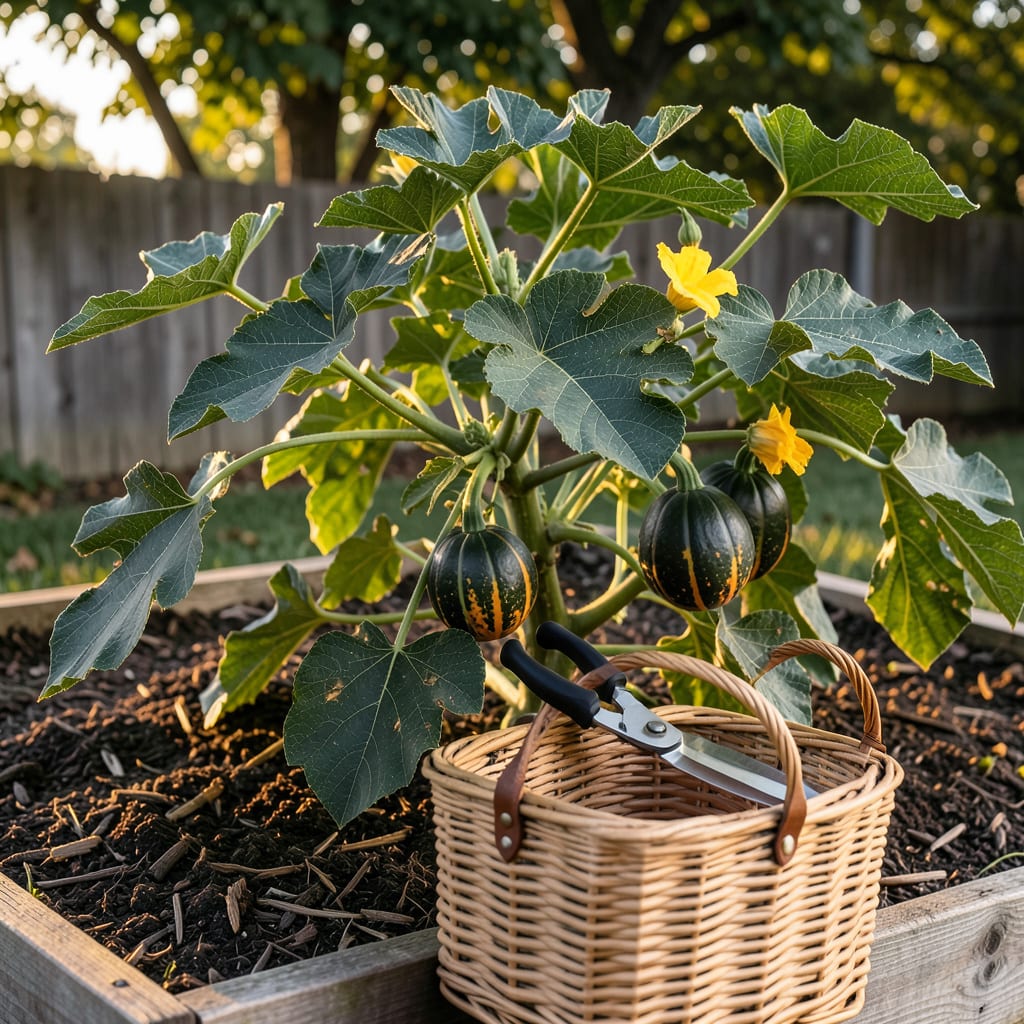
There’s nothing worse than cutting into an acorn squash only to find it lacking that rich, sweet flavor you were craving. I’ve been there—picking too early or waiting too long can completely change your harvest’s taste and storage potential.
The difference between a perfect 🎃 Acorn Squash and a disappointing one often comes down to just 3 key signs. Let me show you exactly what to look for so you’ll never second-guess your harvest timing again. Your autumn meals will thank you.


Timing is everything when harvesting acorn squash. Picking too early means bland flavor and poor storage, while waiting too long risks rot or pest damage. I’ve learned the hard way that visual and tactile cues are far more reliable than guessing based on days planted.
The first clue is color transformation. A ripe acorn squash shifts from glossy green to a deep, dull orange-green hue. But don’t rely on color alone—some varieties stay darker. The real test is the rind hardness: press your fingernail into the skin. If it resists, it’s ready.
Pro Tip: If the vine is dying back, harvest immediately—even if other signs aren’t perfect. 🪴
Next, check the stem. A ripe squash has a dry, brown stem that’s started to shrink. If it’s still green and pliable, wait a few more days. I always give the stem a gentle twist—if it snaps cleanly, it’s harvest time. Avoid cutting; tearing helps the squash heal faster.
The ground spot (where the squash touches soil) is another telltale sign. It should turn from white to a creamy yellow or orange. If it’s still pale, the squash needs more time. This spot also indicates how well the squash will store—darker colors mean better keeping quality.
Don’t ignore the vine health. If the plant leaves are yellowing or the vine is drying out, harvest all mature squash immediately. Frost or disease can ruin a crop overnight. In my garden, I mark the first frost date on my calendar and aim to harvest 2 weeks prior.
Size matters too. Most acorn squash varieties reach 6–8 inches in diameter at maturity. Smaller squash lack sweetness, while oversized ones develop fibrous flesh. I use a soft measuring tape to check—it’s more accurate than eyeballing. If in doubt, harvest the largest squash first and leave others to size up.
A common mistake is harvesting when the rind is still glossy. That shine means the squash is still pulling moisture from the vine. Wait until the surface looks matte. Another red flag? Soft spots—these indicate overripeness or rot. Always do the “knock test”: tap the squash. A hollow sound means it’s ready.
If you’re growing early varieties (like ‘Table Queen’), expect harvest in 80–85 days. Late-season types (such as ‘Sweet REBA’) may need 90–100 days. Track your planting date and note weather patterns—cool summers delay ripening, while hot spells can speed it up. I keep a garden journal to compare yearly differences.
Finally, trust your instincts. If most signs point to readiness but one doesn’t, prioritize rind hardness and stem dryness over color. And remember: it’s better to harvest a week early than a day too late. Once picked, acorn squash won’t ripen further, so precision matters. ✅
If you’ve ever wondered why your neighbor’s acorn squash ripens faster than yours, the answer often lies in the weather. I’ve seen regional differences shift harvest times by 2-3 weeks, even for the same variety. Cooler climates slow maturity, while hot summers can speed it up.
Your local frost dates are the biggest factor—acorn squash won’t tolerate frost, so aim to harvest before temperatures drop below 32°F. In USDA Zone 6, that typically means picking by mid-October. Early varieties may mature in 80 days, while late-season types need 100 days.
⚠️ Weather Warning
Leaving acorn squash on the vine too long in wet conditions risks rot. If rain is forecasted, harvest slightly early and cure indoors to prevent mold. Cold snaps below 50°F can also dull sweetness.
In hot, dry climates, squash may ripen faster but develop tougher rinds. I check mine daily once they reach 6 inches in diameter. If nights stay above 60°F, you might get an extra week of vine time. Use a soil thermometer—squash matures faster in warm soil.
For container gardeners, watch for uneven ripening. Pots dry out faster, stressing plants and delaying maturity. I’ve found that consistent watering (1-2 inches weekly) keeps squash on schedule. Mulch helps regulate soil temp, especially in fluctuating fall weather.
If you’re growing in short-season areas, start seeds indoors 4 weeks before transplanting. This trick gives you a 2-week head start on harvest. In long-season regions, succession planting every 3 weeks extends your harvest window into late fall.
Pro tip: Keep a garden journal with yearly harvest dates. Over time, you’ll spot patterns—like how my squash always ripens 10 days earlier after a hot August. Adjust planting times yearly based on your notes for a perfect harvest every season. 🌱
Once you’ve harvested your acorn squash, the work isn’t over! Proper curing and storage are key to locking in that sweet, nutty flavor and extending shelf life. I always cure mine for 7–10 days in a warm, dry spot to toughen the skin and heal minor cuts.
After curing, store your squash in a cool, dark place (like a basement or pantry) with good airflow. Ideal conditions are 50–55°F with 50–70% humidity. Avoid the fridge—it’s too damp and can cause rot. A well-cured squash can last 2–3 months!
If you notice condensation on stored squash, increase airflow with a small fan or move to a drier spot. For long-term storage, wrap each squash in newspaper to absorb excess moisture. This trick adds 2–4 weeks of freshness in humid climates.
Ever picked a squash too early? It’ll taste bland and watery—curing won’t fix that. But if you harvest late, the flesh can turn stringy or fibrous. Aim for that deep green or orange hue and hard rind to avoid disappointments.
For short-term use, keep squash at room temperature for up to 2 weeks. But for winter storage, that cool, dark pantry is your best bet. I’ve had squash last until February with this method—just avoid temperature swings! 🎃
Look for a deep green or orange color and a hard rind that resists fingernail pressure. The stem should also be dry and snap easily when twisted. These signs ensure peak sweetness and storage potential.
Early harvesting results in bland, watery flesh and poor storage life. The skin will feel soft, and the color may appear pale. Curing won’t fix this—patience is key for full flavor development.
No! Acorn squash is frost-sensitive. Harvest before temperatures drop below 32°F. If frost is forecasted, pick immediately—even slightly early—and cure indoors to preserve quality.
Properly cured and stored squash lasts 2–3 months in a cool, dark place (50–55°F). Check weekly for soft spots or mold, and use within 3 months for best texture.
