
Beautiful Plants For Your Interior
Beautiful Plants For Your Interior
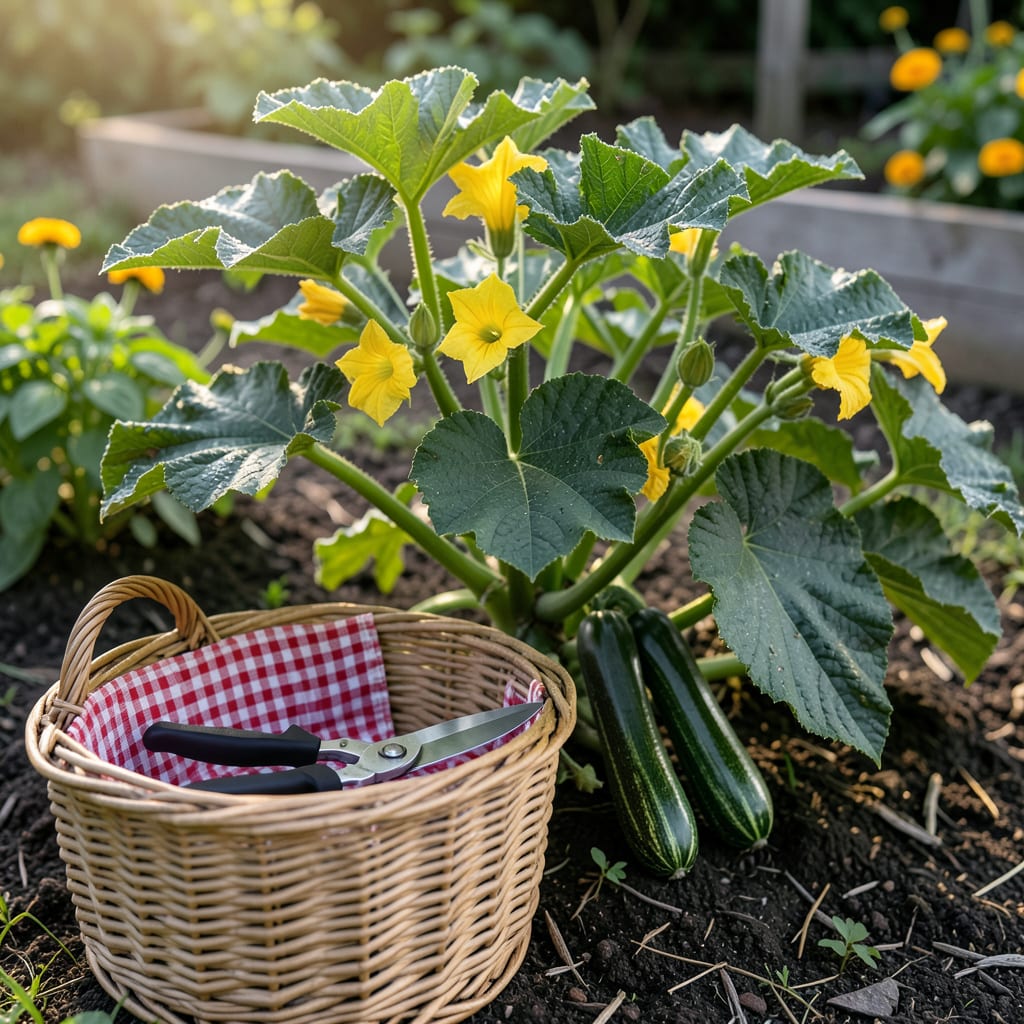
There’s nothing worse than watching your zucchini transform from a tender garden delight into a bitter, seedy monster overnight. That perfect harvest window is shorter than you think – miss it, and you’ll be dealing with baseball-bat-sized squash that no one wants to eat.
I’ve learned the hard way that timing is everything with 🥒 zucchini. The difference between a flavorful, crisp vegetable and a tough, overgrown disappointment comes down to just a few days. Let me show you exactly when to pluck those beauties from the vine for the best texture and taste.


Knowing exactly when to harvest zucchini can feel like a guessing game, but your plants actually give you five unmistakable signals when they’re ready. I’ve learned that waiting for that perfect 6-8 inch size isn’t just about measurements—it’s about texture, color, and even how the fruit feels in your hand.
The glossy skin test is my favorite trick. When zucchini are ready, their skin transforms from dull to shiny and smooth, almost like they’ve been polished. This visual cue alone can save you from harvesting too early or waiting too long. Combine this with the other signs, and you’ll never end up with a seedy disappointment again.
| Harvest Sign | What to Look For | Why It Matters |
|---|---|---|
| Size | 6-8 inches long | Prevents seed development |
| Skin | Glossy, firm surface | Indicates peak freshness |
| Color | Deep, consistent green | Ensures proper ripeness |
| Stem | Firm attachment point | Prevents plant damage |
| Texture | Tender when pressed | Guarantees best flavor |
The thumbnail test is another foolproof method I swear by. Gently press your thumbnail into the zucchini’s skin—if it leaves a slight indentation that quickly bounces back, you’ve hit the sweet spot. This simple test reveals more about ripeness than any calendar date ever could.
Watch the flower end too. When zucchini are ready, the blossom end should be slightly soft but not mushy. If it’s still hard and pointed, give it another day. I check this daily during peak season because zucchini can grow 2 inches overnight in warm weather.
Color consistency matters more than you think. Your zucchini should be a uniform deep green from stem to blossom end. Any yellowing at the tips means it’s starting to overripen. I’ve found that heirloom varieties often show more color variation, so focus on the glossy texture as your primary indicator.
Seasonal adjustments are crucial. In early summer, zucchini may mature faster due to increasing temperatures. I start checking at 45 days after planting and harvest daily once they begin producing. Late-season zucchini might need an extra day or two to reach that perfect glossy finish.
Remember that overgrown zucchini aren’t just tough—they actually steal energy from producing new fruit. I’ve seen plants stop producing entirely when left with giant zucchini. By harvesting at the right time, you’re encouraging your plant to keep giving you those tender, delicious vegetables all season long. 🌱
Pro tip: Keep a harvest journal noting when you planted and first harvested. This helps predict future harvest windows. My zucchini typically start producing 50 days after planting, but your climate might vary. Adjust based on your observations each season.
Timing your zucchini harvest isn’t just about size and color—it’s also about the time of day you pick. I’ve found that plucking zucchini in the early morning gives you the crispiest, most flavorful results. The plants are hydrated after cool night temperatures, making the fruit firmer and easier to cut.
Evening harvesting works too, but avoid the midday heat when plants are stressed. The dew-damp morning is ideal because the zucchini will be plump with moisture, and the plant recovers faster from the harvest. Always use clean, sharp tools to prevent stem damage that could invite disease.
I always keep a small basket and pruning shears near my zucchini patch. The one-inch stem rule is crucial—cutting too close to the fruit creates an entry point for rot. If you’re harvesting multiple zucchini, work gently to avoid bruising the remaining fruit or disturbing the plant’s roots.
Post-harvest handling matters too. Never rinse zucchini until you’re ready to use it—excess moisture speeds up spoilage. Instead, brush off dirt with a dry cloth. For short-term storage, place them in a cool, dark spot (like a pantry) rather than the fridge to maintain texture.
During peak season, I check my plants daily because zucchini can grow inches overnight. If you spot a glossy, 6-inch fruit, don’t wait! Overgrown zucchini divert energy from producing new fruit, reducing your overall yield. A quick daily sweep ensures you catch them at their prime.
Pro tip: If you’re growing heirloom varieties, they often mature faster than hybrids. I mark my calendar for 45–55 days after planting as the “harvest alert” window. When in doubt, the thumbnail test works—press gently; if it leaves a slight indentation, it’s ready!
Remember, the more you harvest, the more your plant will produce. I’ve had zucchini plants yield 20+ fruits in a season simply by staying on top of picking. Don’t let those beauties turn into giant, seedy monsters—your future self (and your compost pile) will thank you! 🌱
Timing your zucchini harvest isn’t just about getting the best flavor—it directly impacts your plant’s future productivity. I’ve seen firsthand how picking too early can stunt growth, while waiting too long creates tough, seedy monsters that no one wants to eat. Let’s break down what happens at both extremes.
When you harvest premature zucchini (under 4 inches), you’re essentially telling the plant to stop producing. The plant thinks its job is done, which can delay or even halt future fruit development. I learned this the hard way when my eager harvesting reduced my yield by 30% one season.
On the flip side, overgrown zucchini become a nutrient sink, pulling resources away from new fruit production. I once left a zucchini to grow for “just one more day” and ended up with a 3-pound beast that took two weeks to use up. The plant stopped producing entirely after that!
The flavor transformation is dramatic too. Early-picked zucchini taste mild and watery, while overripe ones develop a bitter, almost woody flavor. I’ve found the 45-55 day window after planting is critical—this is when most varieties reach that perfect balance of size and flavor.
Here’s my recovery plan if you’ve picked too early: fertilize lightly with a balanced 10-10-10 and water deeply to encourage new growth. For overgrown zucchini, get creative—grate for baking, hollow for boats, or compost the toughest specimens. The key is removing them promptly to redirect energy to new fruit.
Remember, zucchini plants are prolific producers when managed well. I’ve had single plants yield 15-20 fruits in a season by staying vigilant. Check plants daily during peak season—those glossy, 6-8 inch beauties can appear overnight! Your reward will be tender, flavorful zucchini all summer long. 🌱
Check your plants daily once they start producing. Zucchini can grow 2+ inches overnight in warm weather. Missing just one day might mean finding overgrown specimens. Morning checks are ideal when plants are hydrated.
Use clean pruning shears or sharp scissors to avoid damaging stems. Never twist or pull—this can harm the plant. Cut with a 1-inch stem attached to extend shelf life. Wipe blades with rubbing alcohol between uses.
Yes, but the texture changes dramatically. Overgrown zucchini develop tough skin and large seeds. Try grating for bread, hollowing for boats, or scooping seeds for soups. The flavor becomes stronger, so adjust seasoning accordingly.
This often happens when you pick too early (under 4 inches). The plant thinks its job is done. To restart production, fertilize lightly and ensure consistent watering. Healthy plants typically rebound within 7-10 days.
Store at room temperature for up to 48 hours. Avoid refrigeration—it makes them mushy. For longer storage, wrap in paper towels and place in the crisper drawer. Use within 5 days for best quality.
