
Beautiful Plants For Your Interior
Beautiful Plants For Your Interior
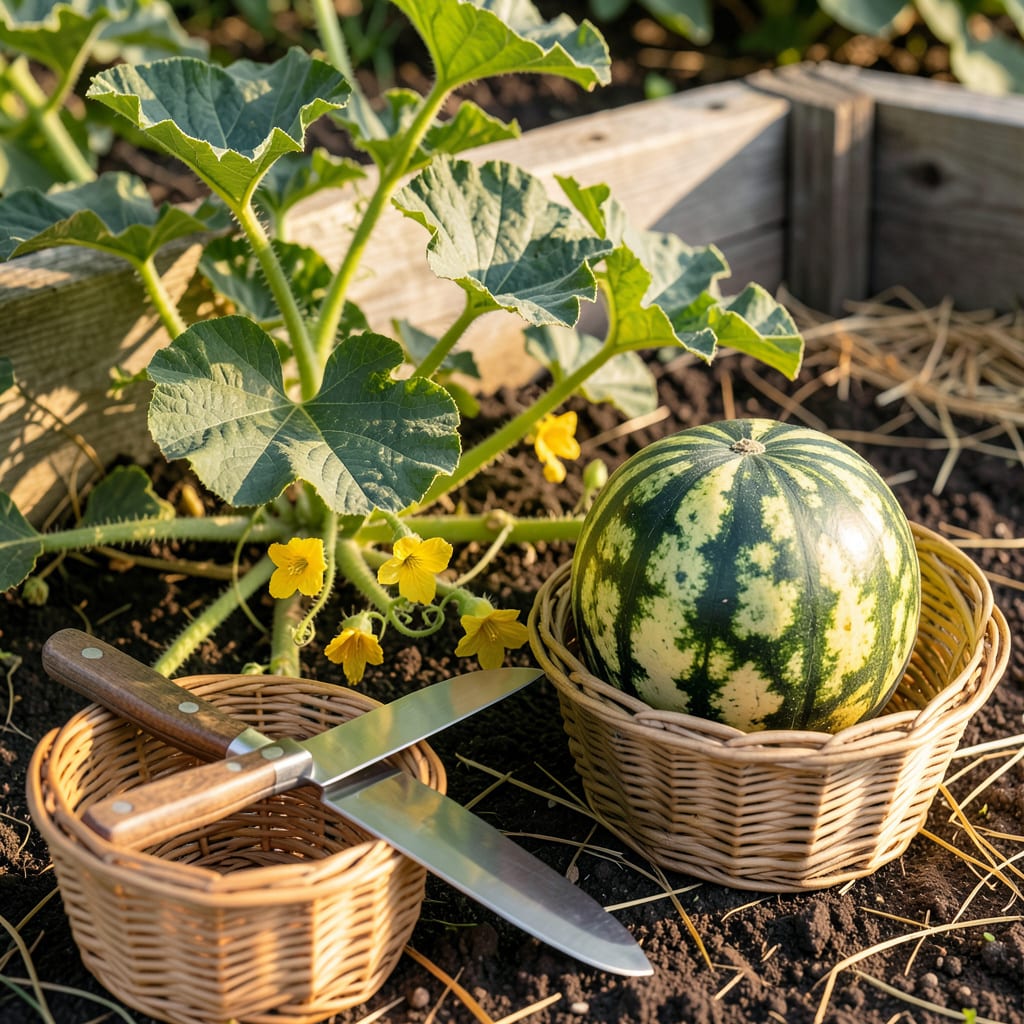
There’s nothing worse than cutting into a watermelon only to find it underripe—or worse, mushy. That perfect balance of sweetness and crunch depends entirely on picking it at just the right moment.
After years of trial and error with my own 🍉 patches, I’ve nailed down the foolproof signs that guarantee a juicy, flavorful harvest. Let me show you exactly what to look for—so you’ll never second-guess your timing again.


After months of tending your watermelon vines, the moment of truth arrives: is it finally ripe? I’ve learned that timing is everything—picking too soon means bland flavor, while waiting too long risks a mushy texture. Let’s break down the five foolproof signs I rely on every harvest season.
The first clue is the curl tendril near the stem. When this little green spiral turns brown and dries up, your melon is sending a clear signal. I check this daily once the fruit reaches full size, as it’s one of nature’s most reliable indicators. Don’t confuse it with the main vine tendrils—they stay green longer.
| Ripeness Sign | What to Look For | Why It Matters |
|---|---|---|
| Curl Tendril | Brown, dried spiral near stem | Stops sugar flow to fruit |
| Ground Spot | Creamy yellow contact area | Shows full sun exposure |
| Rind Texture | Dull, not glossy surface | Indicates maturity stage |
| Stem Condition | Dry, cracked appearance | Signals nutrient cutoff |
| Hollow Sound | Deep “plunk” when tapped | Confirms internal structure |
The ground spot—where the melon rests on the soil—tells another important story. A ripe watermelon develops a creamy yellow patch here, while an unripe one stays white or pale green. I gently lift my melons to check this daily once they reach full size. For darker varieties, look for a rich buttery color.
Next, examine the rind texture. A mature watermelon loses its glossy sheen and develops a slightly rough, dull surface. Run your fingers over the skin—it should feel slightly resistant, not slick. This change happens as the fruit stops growing and focuses on sweetening. I compare multiple melons to spot the difference.
The stem connection offers another clue. As the fruit ripens, the stem begins to dry and may even crack slightly where it meets the melon. Don’t pull the stem—just observe its condition. A green, flexible stem means more waiting, while a brittle one suggests readiness. I check this alongside the curl tendril for double confirmation.
Finally, the classic thump test seals the deal. Tap the melon with your knuckles—you want a deep, hollow sound. An unripe melon sounds metallic, while an overripe one may sound flat. I practice on store-bought melons to train my ear. Remember, the sound should resonate like a drum, not a bell.
For best results, I combine all these signs. A perfectly ripe watermelon will have a dry tendril, yellow ground spot, dull rind, dry stem, and hollow thump. When all five align, it’s time to harvest! Trust me, your patience will be rewarded with that sweet, crisp crunch we all crave. 🌱
Pro tip: Harvest in the early morning when sugars are most concentrated. Use clean pruners to cut the stem about 2 inches from the fruit, leaving a small handle. This prevents moisture loss and extends storage life. Now you’re ready to enjoy the fruits of your labor! 🪴
Even experienced gardeners sometimes misjudge watermelon ripeness. The most common mistake? Relying on size alone. A big watermelon isn’t necessarily ripe, and a smaller one might be perfect. I’ve seen gardeners harvest oversized but underripe melons that taste bland and mealy.
Another pitfall is ignoring the ground spot—that creamy yellow area where the melon rests on the soil. If it’s still white or pale green, your watermelon needs more time. I always check this first because it’s the most reliable visual cue for ripeness.
Pro tip: Test ripeness in the early morning when sugars are most concentrated.
Many gardeners also make the error of harvesting too soon after flowering. While most watermelons take 70-90 days to mature, some varieties need longer. I track my planting dates and count forward to avoid this mistake.
The thump test can be misleading if you don’t know what to listen for. A ripe watermelon should sound deep and hollow, not metallic or dull. I practice on store-bought melons first to train my ear for that perfect “plunk” sound.
Finally, don’t overlook the stem tendril near the fruit. When it turns brown and dries up, that’s nature’s signal that harvest time is near. I check this daily once my melons reach full size.
Remember, a watermelon won’t continue ripening after picking, so patience is key. When in doubt, I wait an extra day or two—it’s better to have a slightly overripe melon than one that’s disappointingly bland. Trust the signs, not just your enthusiasm! 🌱
You’ve watched your watermelon vine sprawl across the garden, but how do you know it’s truly ready? While visual cues are key, I always use a few non-invasive tests to confirm ripeness before harvesting. These methods save you from the disappointment of a bland or underripe melon.
The famous thump test is my go-to: tap the watermelon with your knuckles. A dull, hollow sound means it’s ripe, while a high-pitched or metallic noise signals it needs more time. It takes practice, but comparing sounds between melons helps train your ear.
Another trick is examining the underside ground spot. When the melon sits on the soil, the contact area turns from white to a creamy yellow. If it’s still pale, the fruit isn’t fully ripe. For darker-skinned varieties, look for a rich, buttery hue.
Don’t forget the thumbnail test! Press your thumbnail into the rind. If it resists slightly but doesn’t puncture, it’s ripe. Too soft means overripe, while hardness indicates it needs more sun. This works best on the blossom end (opposite the stem).
Timing matters too. Most watermelons reach maturity 70–90 days after planting. If you’ve tracked your planting date, combine it with these tests for foolproof results. And remember, a ripe watermelon will often detach easily from the vine with a gentle twist—no force needed!
Most watermelons reach full ripeness 30-50 days after flowering. The exact timing depends on the variety—smaller types mature faster, while larger heirlooms may need the full 50 days. Always combine this timeline with physical ripeness tests for best results.
Unlike some fruits, watermelons don’t ripen after picking. Once separated from the vine, their sugar content and texture stay fixed. That’s why checking ripeness in the garden is crucial—what you harvest is what you get!
A hollow thump usually indicates ripeness, but flavor depends on sun exposure and watering. Overwatering or cloudy weeks before harvest can dilute sweetness. Next season, reduce water as fruits mature and ensure plants get 6+ hours of sun daily.
Use clean pruning shears to cut the stem, leaving 1-2 inches attached. Twisting can damage the vine or fruit. This method also prevents accidental pulls that might bruise the melon.
