
Beautiful Plants For Your Interior
Beautiful Plants For Your Interior
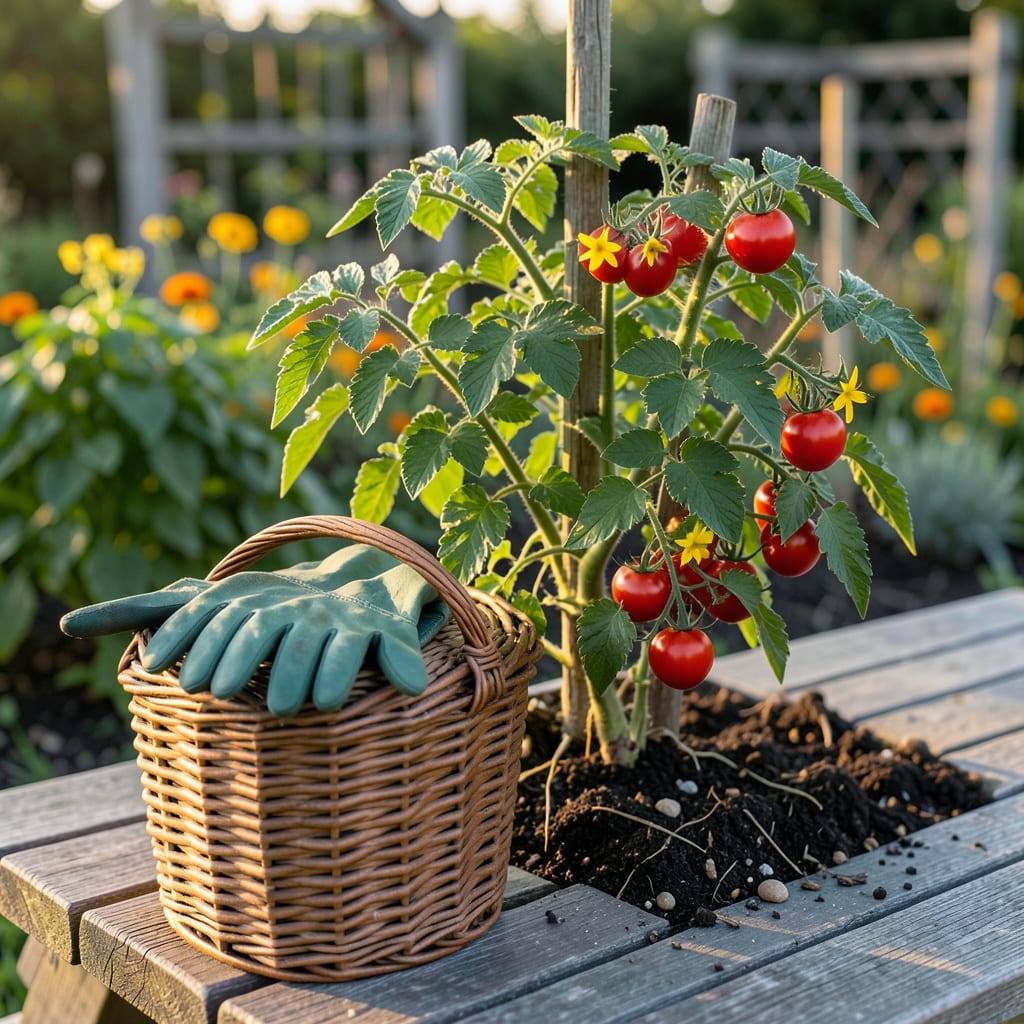
There’s nothing worse than biting into a tomato that looks perfect but tastes like cardboard. The difference between a juicy, vine-ripened gem and a disappointing dud? Timing. I’ve wasted too many harvests guessing when to pluck those red orbs—until I learned the foolproof signs.
Whether you’re growing beefsteaks or cherry tomatoes, the rules change by variety and climate. I’ll show you exactly how to spot the perfect moment—no more second-guessing. Let’s turn your 🍅 harvest into the sweetest, most flavorful one yet.


Nothing beats the taste of a vine-ripened tomato picked at its peak—but how do you know when that moment arrives? I’ve learned that tomatoes whisper their readiness through subtle changes in color, texture, and size. Miss these cues, and you might end up with underripe or mushy fruit.
Different varieties have unique signals, but most follow universal rules. A deep, uniform color (red, yellow, or purple, depending on the type) is your first clue. The fruit should also feel slightly soft when gently squeezed—not rock-hard or squishy. Let’s break down the five foolproof signs to guarantee perfect picks every time.
For heirloom tomatoes, color is everything. A Brandywine turns deep pink, while a Black Krim darkens to a smoky purple. Cherry tomatoes are trickier—they often look ripe before they’re sweet. Wait until they’re plump and glossy, not just red.
Texture is your secret weapon. Press the tomato’s “shoulder” (the area near the stem). If it’s still firm, give it 24–48 more hours. Overripe tomatoes feel too soft and may split on the vine. I once lost a whole batch of Beefsteaks by waiting too long—lesson learned!
Don’t ignore the stem area. A ripe tomato’s stem turns from green to brown or woody. If it’s still green and bendy, the fruit isn’t ready. For cluster varieties (like Grape tomatoes), check the whole bunch—pick them all once the first few ripen to avoid stressing the plant.
Climate plays a role too. In hot, dry regions, tomatoes may ripen faster but can sunburn if left too long. In cooler zones, they might need extra vine time. I use a garden journal to track how long each variety takes in my USDA Zone 6a garden—usually 60–90 days from planting.
Pro tip: If birds or squirrels are eyeing your tomatoes, harvest them at the “breaker stage” (just starting to color) and ripen indoors. Place them in a paper bag with a banana to speed things up. This trick saved my San Marzano crop last summer!
Remember, size varies by type. A ripe Roma tomato is smaller than a Beefsteak, but both should feel heavy for their size. Lift a few to compare—underripe ones feel lightweight. And always use clean pruners or twist gently to avoid damaging the vine.
Finally, trust your senses! A perfectly ripe tomato will have a sweet, earthy aroma at the stem. If it smells grassy or bland, it needs more time. I’ve found that morning harvests yield the juiciest tomatoes—cool temps lock in flavor and firmness.☀️
Not all tomatoes ripen the same way—what works for a cherry tomato won’t apply to a Black Krim or Green Zebra. I’ve learned the hard way that color alone isn’t always reliable. Some varieties stay green when ripe, while others develop unique patterns like stripes or deep purples.
Your climate plays a role too. In hotter zones, tomatoes may ripen faster but can also scorch, while cooler areas might slow the process. That’s why I created this quick-reference guide—so you can confidently pick every variety at its flavor peak, no matter where you garden.
| Variety | Ripeness Signs | Climate Tip |
|---|---|---|
| Cherry Tomatoes | Deep red, slightly soft, easy to twist off | Pick early in hot climates to avoid splitting |
| Beefsteak | Uniform color, 2-3 lbs, yields to gentle pressure | Allow extra time in cooler zones |
| Heirloom (Brandywine) | Pink-red blush, slightly wrinkled skin | Harvest before heavy rain to prevent cracking |
| Green Zebra | Bright yellow-green stripes, slight give | Check daily—ripens quickly in heat |
| Black Krim | Deep purple-black shoulders, soft texture | Needs full sun for best color development |
💡 Pro Tip: When in doubt, check the seed packet for variety-specific cues!
If you’re growing green-when-ripe varieties like ‘Aunt Ruby’s German Green,’ don’t wait for red—these tomatoes develop a creamy yellow tint and soften slightly. I mark these with a twist tie when they’re golf-ball sized to track progress.
For paste tomatoes like ‘San Marzano,’ harvest when fully red but still firm. These are ideal for sauces, and I’ve found they ripen more evenly in drier climates. In humid areas, watch for mold spots and pick sooner if needed.
Remember, overripe tomatoes attract pests and can stress the plant. If you spot split skins or fermented smells, it’s past prime. I compost these to avoid spreading disease—your next crop will thank you!
Still unsure? The “thumb test” works for most varieties: Gently press the tomato’s shoulder (the area near the stem). If it gives just a little, like a ripe avocado, it’s ready. Too firm? Give it a day. Too mushy? Harvest immediately.
Even the most experienced gardeners sometimes misjudge ripeness. I’ve had seasons where I picked underripe tomatoes in a rush, only to regret it later. The good news? There are easy ways to salvage both early and overripe harvests—no waste required.
If you’ve picked tomatoes too soon, don’t panic. Most varieties will continue ripening off the vine with a little help. The key is creating the right environment—warmth, darkness, and ethylene gas (naturally released by fruits like bananas) work wonders. Here’s how to fix the most common picking mistakes.
Underripe Tomatoes: Place in a paper bag with a banana or apple. The ethylene gas speeds ripening in 3–5 days.
Overripe Tomatoes: Use immediately for sauces or salsa. Freeze whole in bags for up to 6 months.
Split Tomatoes: Cut out damaged areas and use in cooked dishes. Avoid composting to prevent pest attraction.
Green Tomatoes: Wrap individually in newspaper and store in a cool, dark place. Check weekly for ripening.
For green tomatoes, patience is key. I once saved an entire batch of unripe Beefsteaks by storing them in a cardboard box with a ripe banana. Within a week, they turned deep red and tasted vine-ripened. Keep them at room temperature—never refrigerate, as cold stops ripening.
Overripe tomatoes aren’t a loss either. Turn them into sauce, soup, or sun-dried tomatoes. I blend overripe Roma tomatoes with garlic and basil, then freeze the sauce in ice cube trays for winter meals. If they’re just slightly soft, slice and dehydrate for intense flavor.
Prevent future mistakes by checking tomatoes daily during peak season. I use a harvest log to track which varieties ripen fastest in my garden. In hot climates, pick at the first sign of color to avoid sunburn. In cooler areas, let them vine-ripen longer for maximum sweetness.
Remember, morning harvests yield the firmest tomatoes. If pests are a problem, pick at the “breaker stage” (just starting to color) and ripen indoors. This trick saved my San Marzano crop from squirrels last year! With these fixes, you’ll never waste a tomato again.🌿
Check for a slight yellow tint or white streaks—these indicate ripening has started. If they’re still solid green, they need more vine time. For varieties like Green Zebra, look for bright stripes instead of uniform color.
Any tomato showing color should be harvested before frost. Even green tomatoes can ripen indoors if picked at the “breaker stage” (just starting to change color). Store them in a paper bag with a banana to speed up the process.
Varieties like Aunt Ruby’s German Green or Emerald Evergreen are naturally green when ripe. Check for a creamy yellow undertone and slight softness. These often develop a sweet, tangy flavor despite their color.
It’s best to avoid harvesting during or right after rain. Wet tomatoes are prone to splitting and may develop mold faster. Wait until foliage dries to prevent disease spread. If you must pick, handle them gently and dry them indoors.
Early morning is ideal when temperatures are cool. Tomatoes picked then stay firmer longer and retain more flavor. Avoid midday harvests when plants are heat-stressed. I always bring a basket and harvest before 10 AM for best results.
