
Beautiful Plants For Your Interior
Beautiful Plants For Your Interior
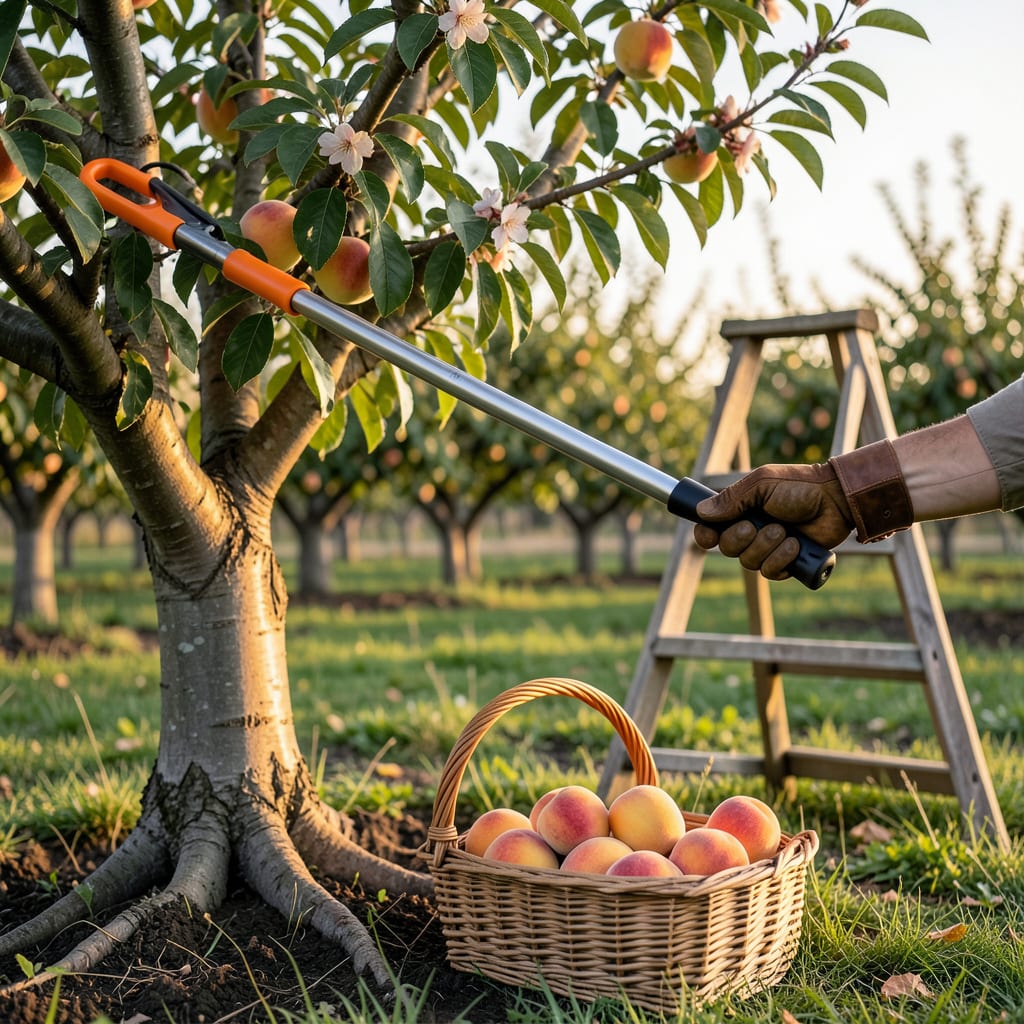
There’s nothing quite like biting into a perfectly ripe peach—juicy, sweet, and bursting with flavor. But timing is everything. Pick too soon, and you’ll get a hard, tasteless disappointment. Wait too long, and your 🍑 might be mushy before you even take it inside.
I’ve learned the hard way that color, texture, and even the way a peach separates from the tree tell you everything. Whether you’re a first-time grower or just tired of guessing, I’ll show you the foolproof signs to look for—so every peach you pick is as delicious as it should be.


Picking a peach at its peak is all about trusting your senses. I’ve stood under my peach trees countless times, wondering if today’s the day. The good news? Your peaches will tell you when they’re ready—if you know what to look for. Let’s break down the five foolproof signs of ripeness.
First, forget the calendar. While most peaches ripen in July or August, your tree’s microclimate matters more. A south-facing slope might speed things up, while shade could delay ripening by weeks. Instead, focus on the fruit itself. Here’s how to read the signals like a pro.
Now, let’s talk about the three mistakes that ruin peaches. First, pulling instead of twisting. Yanking a peach can damage the fruit and the tree. Always use a gentle upward twist. Second, ignoring the stem. If it’s still tightly attached, walk away—it’s not ready.
Third, and this is critical: don’t judge by softness alone. A peach that’s mushy to the touch is often overripe. The sweet spot is firm with a slight give. I’ve lost entire batches by waiting for that “perfectly soft” feel, only to end up with fermented fruit on the ground.
For clingstone varieties (where the pit clings to the flesh), the fruit often ripens 1–2 weeks earlier than freestone types. If you’re growing both, label your trees and adjust your timeline. And here’s a pro tip: Check the underside of the peach—it ripens faster than the sun-exposed top.
Climate plays a huge role, too. In hotter zones (like USDA Zone 9), peaches may ripen 2–3 weeks earlier than in cooler areas (Zone 5). If you’re in a humid region, watch for split pits—a sign of uneven watering. Consistent moisture prevents this.
Still unsure? Try the “taste test”. Pick one peach when you think it’s ready, slice it open, and check the flesh near the pit. If it’s white or pale yellow, it needs more time. A golden hue means it’s ripe. And if the juice runs down your chin? You’ve nailed it.
Once you’ve picked your peaches, handle them like eggs. Bruised fruit spoils faster. Store them stem-side down in a single layer to avoid pressure spots. If you must pick early (say, before a storm), place them in a paper bag with a banana to ripen indoors.
Remember, peaches don’t ripen uniformly. I always do a “tree walk” every other day during harvest season, checking different branches. The top of the tree often ripens first thanks to more sunlight. Keep a harvest journal to track which varieties ripen when—it’ll make next year’s harvest even easier.
Finally, don’t stress over a few underripe peaches. They’re perfect for grilling or baking (yes, even in gardening, we find uses for them!). But for that sun-warmed, tree-ripened perfection, trust the signs—and your senses. Your taste buds will thank you. ☀️
Ever wondered why some peaches taste like candy while others are as exciting as cardboard? It’s all about harvest timing. Peaches go through distinct ripening stages, and knowing where your fruit is on that journey means the difference between a lackluster bite and a juice-dripping-down-your-chin experience.
From the moment a peach forms until it’s ready to pick, it transforms in color, texture, and sugar content. But here’s the kicker: not all peaches ripen at the same rate, even on the same tree. Early-season varieties like ‘Springtime’ might be ready in late June, while late-season ‘Elberta’ peaches could hang on until September. Let’s break it down stage by stage.
| Stage | Days After Flowering | What to Look For | Action Needed |
|---|---|---|---|
| Green Fruit | 0–40 | Hard, small, all-green skin | Thin fruit if crowded; water deeply |
| Color Break | 40–70 | Green fades; red blush appears | Monitor for pests; reduce water slightly |
| Maturing | 70–90 | Full size, yellow/orange hues, firm | Test ripeness daily; net if birds are a problem |
| Ripe & Ready | 90–120 | Sweet aroma, slight give, easy twist-off | Harvest gently; store stem-side down |
| Overripe | 120+ | Soft, wrinkled skin, fermented smell | Compost or use for preserves immediately |
Note: Timing varies by variety. Early types (e.g., ‘Redhaven’) ripen in ~90 days; late types (e.g., ‘O’Henry’) may take 120+ days.
Here’s a trick I swear by: Track the “days since bloom” for your specific variety. Most peach trees flower in early spring, and the countdown to harvest starts then. For example, ‘Suncrest’ peaches typically need 100–110 days from bloom to ripeness. Jot the flowering date in your garden journal, then mark your calendar.
Climate throws a wrench in the works, though. In hot, dry zones (like USDA Zone 8), peaches ripen 10–14 days faster than in cooler areas (Zone 5). Humidity slows things down, so if you’re in the Southeast, add a week to your estimate. And watch the weather: A heatwave can rush ripening, while a cold snap might stall it.
Not all peaches on your tree will ripen at once—even within the same variety. The top and outer branches usually ripen first because they get more sun. I like to do a “test pick” when the first few peaches show color: pluck one, let it sit on the counter for a day, then taste it. If it’s still tart, wait 3–5 days and test again.
If you’re growing multiple varieties, label them! Early-season peaches (like ‘Springtime’) ripen in June–July, while late-season types (like ‘Fay Elberta’) might not be ready until August–September. Mixing them up means you could miss the harvest window entirely. And remember: Freestone peaches (where the pit separates easily) often ripen later than clingstones.
Once you’ve picked your peaches, don’t toss them in a bowl and forget them. Store them stem-side down at room temperature to avoid bruising. If they’re not quite ripe, pop them in a paper bag with an apple or banana—the ethylene gas speeds ripening. Already ripe? Refrigerate them (but let them warm to room temp before eating for best flavor).
And here’s my favorite pro tip: Pick peaches in the morning when they’re cool and firm. They’ll last longer in storage, and the flavors concentrate as they warm up indoors. If you’re dealing with a glut of peaches, freeze the extras—just slice, pit, and lay them on a tray before bagging. They’ll keep for months and taste like summer in December. 🌱
Even the most experienced gardeners sometimes misjudge the perfect harvest window. Maybe a storm was coming, or you got impatient—now you’re staring at a basket of rock-hard peaches or a few that are already too soft. Don’t panic! I’ve saved countless peaches with simple tricks.
First, let’s tackle underripe peaches. If they’re still firm but starting to show color, they’ll ripen off the tree—with a little help. The key is ethylene gas, a natural ripening hormone. Place them in a paper bag with a banana or apple at room temperature.
Pro Tip: Underripe peaches work great in grilled desserts—the heat softens them!
For overripe peaches, speed is critical. Soft, wrinkled peaches won’t last long, but they’re perfect for preserves or baking. Pit them immediately and freeze the flesh in portions for future smoothies. If they’ve started fermenting (you’ll smell it), compost them—they’re past saving.
If you’re dealing with a mix of ripeness, sort your peaches into three piles: firm (needs ripening), ready (eat now), and soft (use immediately). Store them separately to avoid ethylene gas from overripe fruit spoiling the others. I use shallow trays lined with paper towels to absorb excess moisture.
Climate can accelerate spoilage. In humid areas, peaches mold faster—check daily and refrigerate any that are ripe. In dry climates, they may shrivel; store them in a perforated plastic bag in the fridge to retain moisture. And remember: never wash peaches until you’re ready to use them—moisture speeds up decay.
Finally, turn your harvest mishaps into a learning opportunity. Keep notes on which varieties ripened when, and adjust next year’s picking schedule. I’ve found that ‘Redhaven’ peaches often need an extra week in cooler zones, while ‘Elberta’ can handle a slightly early pick. With practice, you’ll nail that sun-ripened sweetness every time. 🌿
Check the color first—ripe peaches shift from green to deep yellow or orange. Gently press near the stem; it should yield slightly like a firm avocado. The fruit should also have a sweet, fragrant aroma when you hold it close to your nose.
Pick peaches in the early morning when they’re cool and firm. This helps them last longer in storage. Avoid harvesting during the heat of the day, as the fruit can become overly soft and bruise more easily.
Yes! Place underripe peaches in a paper bag with a banana or apple at room temperature. The ethylene gas from the other fruit will speed up ripening. Check daily—they’ll usually be ready in 2–5 days.
The top and outer branches ripen first because they get more sunlight. Different varieties also mature at different rates. Early-season types like ‘Springtime’ ripen sooner than late-season varieties like ‘Elberta’.
Use them immediately for jams, preserves, or smoothies. If they’re too soft, pit and freeze the flesh for later use. Overripe peaches won’t store well, so act fast to avoid waste.
