
Beautiful Plants For Your Interior
Beautiful Plants For Your Interior
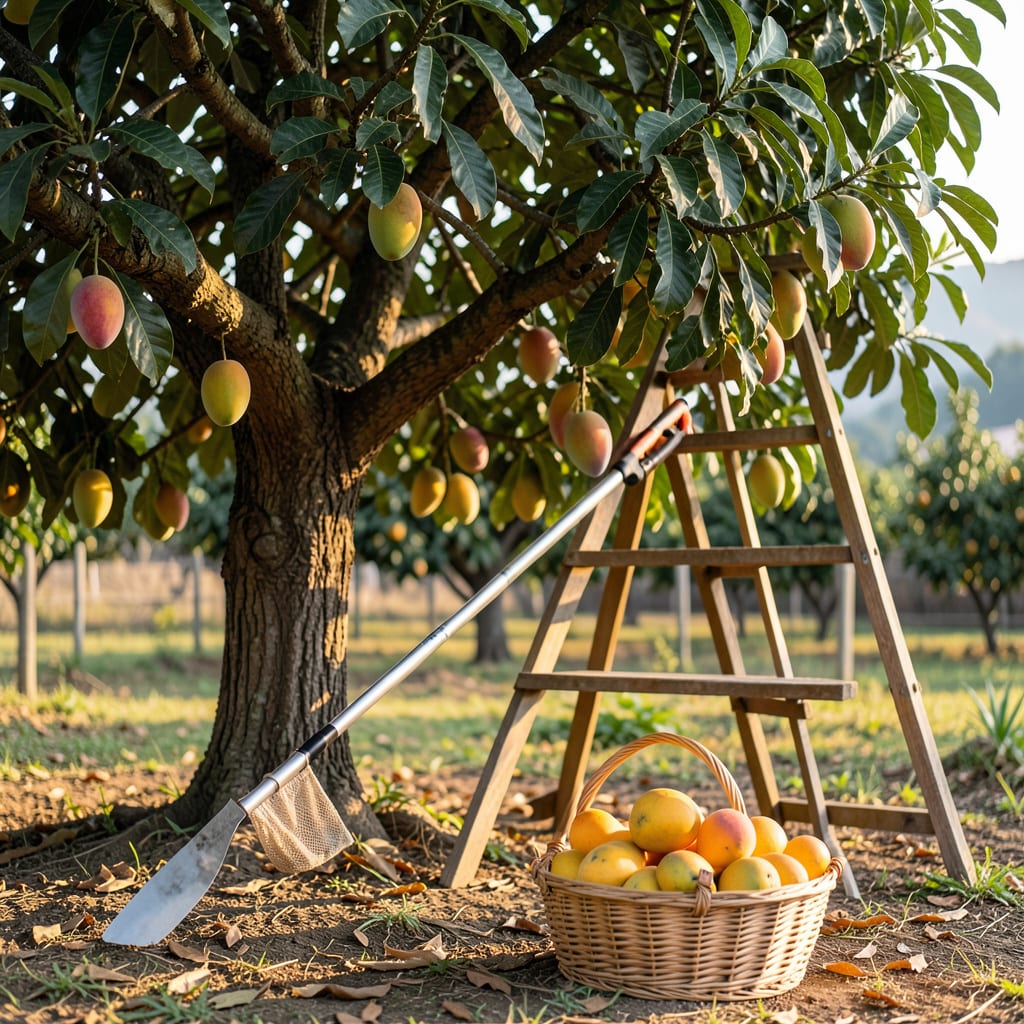
There’s nothing worse than cutting into a mango only to find it’s either rock-hard or mushy inside. I’ve been there—standing under my tree, staring at dozens of 🥭 mangos, wondering which ones are actually ready to pick.
The difference between a perfect mango and a disappointing one comes down to timing. I’ll show you the exact signs to look for—no guesswork, just juicy, sweet results every time. Let’s make sure your next harvest is your best yet.


Timing is everything when harvesting mangos. I’ve learned the hard way that color alone isn’t enough—some varieties stay green even when ripe! The key is combining visual cues, texture tests, and even your nose to get it right.
Different mango varieties (like Haden, Kent, or Ataulfo) have unique ripeness indicators. For example, Haden mangos develop a red blush, while Ataulfo stays golden-yellow. Don’t rely on just one sign—use multiple checks for accuracy.
| Ripeness Sign | What to Look For | Variety Notes |
|---|---|---|
| Color Change | Deepens to rich yellow, orange, or red (varies by type) | Kent: Green → Dark Red; Ataulfo: Pale → Golden |
| Squeeze Test | Gentle give when pressed (like a ripe avocado) | Too soft = overripe; too firm = unripe |
| Stem Aroma | Sweet, fruity scent at the stem end | No smell = not ready; sour smell = overripe |
| Shoulder Feel | Flesh near stem softens slightly | Best for tree-picked mangos |
| Stem Condition | Stem easily separates with a gentle twist | Avoid pulling—twist gently |
I always start with the squeeze test. Hold the mango in your palm and apply light pressure with your fingers. If it gives slightly (like a ripe peach), it’s ready. Too soft means it’s past its prime, while rock-hard means it needs more time.
The stem aroma is my secret weapon. Bring the mango close to your nose and sniff near the stem. A sweet, tropical scent means it’s ripe, while no smell indicates it’s not ready. If it smells fermented or sour, it’s overripe.
For tree-picked mangos, check the shoulder (the area near the stem). When ripe, this spot will feel slightly softer than the rest of the fruit. If it’s still firm all over, leave it on the tree for a few more days.
Don’t forget the stem twist test! Gently twist the mango—if it releases easily from the tree, it’s ready. If it resists, it needs more time. Never pull or yank, as this can damage both the fruit and the tree.
Color can be tricky. Some mangos, like Keitt, stay green even when ripe, while others (like Tommy Atkins) develop a red blush. Focus on the undertones—ripe mangos often shift from dull to vibrant, even if the hue doesn’t change dramatically.
If you’re unsure, pick one and let it ripen indoors at room temperature. Place it in a paper bag with a banana to speed up the process. Check daily—once it passes the squeeze and smell tests, it’s ready to enjoy!
Remember, climate matters. In hotter regions, mangos may ripen faster, so check them daily as harvest time approaches. Cooler climates might slow ripening, so be patient and rely on the physical tests more than color.
Understanding the ripening timeline of a mango is crucial for perfect harvests. I’ve watched my trees go from hard, green fruit to juicy, golden treasures in just weeks. The key is knowing what to expect at each stage—both on the tree and after picking.
Most mango varieties take 60–90 days from flowering to harvest. But the real magic happens in the final 2–3 weeks, when color, texture, and aroma transform dramatically. Let me walk you through the stages so you’ll never miss the ideal picking window.
For homegrown mangos, I start checking daily once they reach Stage 3. The transition from “almost ready” to “perfect” can happen in just 2–3 days, especially in warm weather. Use the shoulder test—press near the stem. If it yields slightly, it’s time.
If you pick a mango too early, don’t panic! Place it in a paper bag with a banana or apple at room temperature. The ethylene gas will speed ripening. Check daily—once it passes the squeeze and smell tests, it’s ready to eat.
Already-ripe mangos should be stored in the fridge to slow further ripening. They’ll keep for 3–5 days this way. For unripe fruit, leave them on the counter (out of direct sun) and check every 12–24 hours for ripeness signs.
Remember, tree-ripened mangos taste best, but climate plays a role. In hot, humid areas, fruit ripens faster—sometimes in just 60 days. Cooler regions may need the full 90 days. Adjust your checks accordingly!
Even experienced gardeners can make mistakes when picking mangos. I’ve ruined my share of harvests by acting too soon—or waiting too long. The good news? These errors are easy to avoid once you know what to watch for. Let’s tackle the most common pitfalls.
The biggest mistake is picking mangos based on color alone. Some varieties stay green even when ripe, while others develop red blushes before they’re ready. Always combine color checks with the squeeze test and stem aroma for accuracy.
Another critical error is refrigerating unripe mangos. Cold temperatures halt the ripening process, leaving you with hard, tasteless fruit. Instead, store them at room temperature until they pass the squeeze and smell tests. Once ripe, they’ll keep in the fridge for 3–5 days.
Ever noticed brown, burnt-looking patches on your mangos? That’s likely sap burn from the stem. When picking, wipe the stem end with a damp cloth immediately to prevent discoloration. This sap can also irritate skin, so wear gloves if you’re sensitive.
Timing matters with post-harvest ripening too. If you pick mangos too early, they’ll never reach full sweetness, no matter how long you wait. Use the shoulder test—if the area near the stem stays rock-hard, leave it on the tree. Patience pays off with perfect flavor.
For overripe mangos, don’t toss them! Blend into smoothies, make mango puree for desserts, or freeze the flesh for later. Underripe ones can be ripened in a paper bag with a banana. Check daily—they’ll soften and sweeten in 2–4 days.
Use the squeeze test—gently press the fruit near the stem. A ripe mango will give slightly, like a peach. Also, sniff the stem end for a sweet, tropical aroma. No smell means it needs more time.
Place unripe mangos in a paper bag with a banana or apple at room temperature. The ethylene gas speeds ripening. Check daily—they’ll be ready in 2–4 days once they pass the squeeze and smell tests.
Varieties like Keitt remain green when fully ripe. Focus on texture and aroma instead of color. A gentle squeeze near the stem should yield slightly, and you’ll smell a sweet fragrance. Trust the tests, not just the hue!
Only refrigerate fully ripe mangos—they’ll keep for 3–5 days. Unripe ones should stay at room temperature until ripe, or they’ll never sweeten properly. Cold halts the ripening process.
Use a gentle twist motion to separate the fruit from the stem. Never pull or yank, as this can harm both the mango and the tree. Wear gloves to avoid skin irritation from the sap.
