
Beautiful Plants For Your Interior
Beautiful Plants For Your Interior
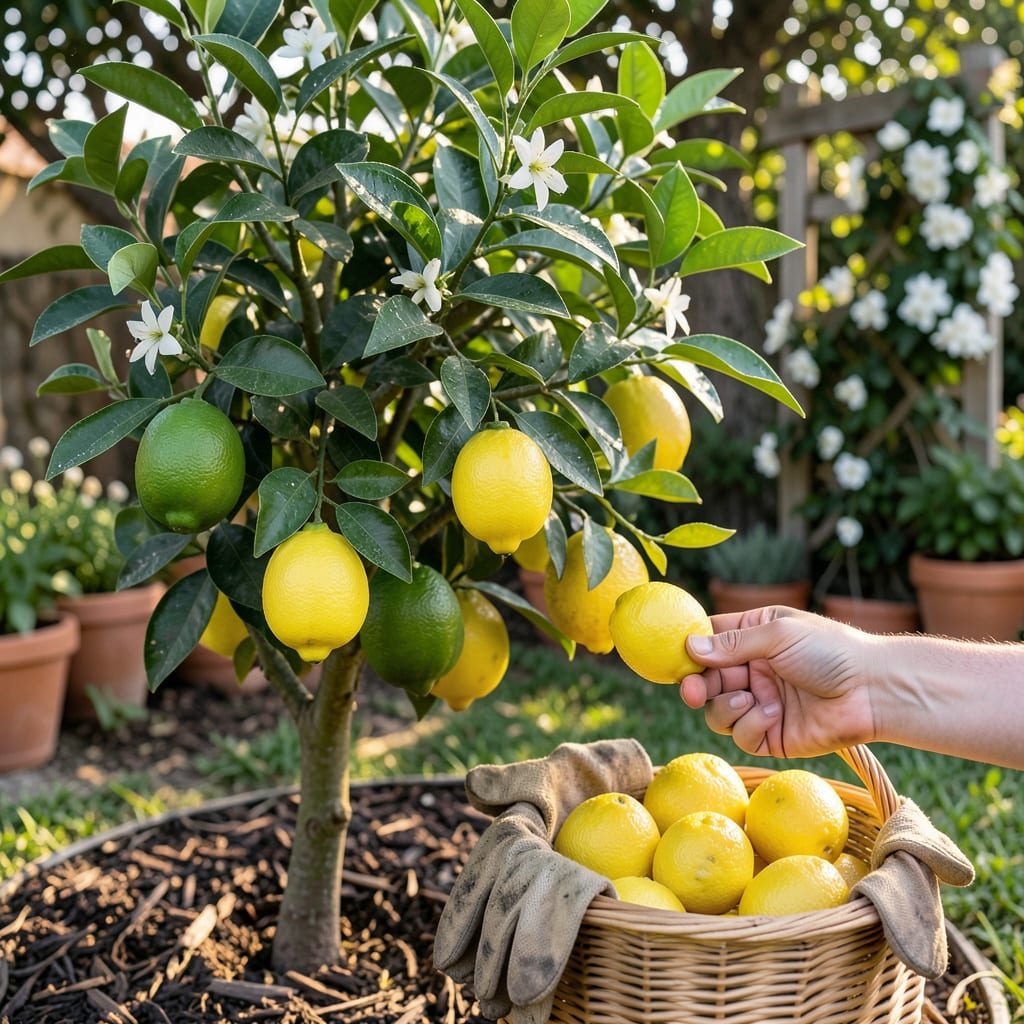
That moment when your 🍋 lemon tree finally bears fruit is exciting—until you’re left wondering: Is it ready yet? Picking too soon means tart disappointment, but wait too long and you might miss that perfect burst of sunshine in every bite.
I’ve learned the hard way that color alone won’t tell you everything. After testing countless lemons from my own trees, I’ll show you the 3 foolproof signs that guarantee juicy, flavor-packed harvests every time. Let’s make sure your next pick is your best one yet.


If you’ve ever wondered why your neighbor’s lemons ripen months before yours, climate zones are likely the culprit. I’ve grown lemons in both coastal and inland areas, and the difference in harvest timing can be shocking. Your USDA zone determines when to start checking for ripeness.
In Zone 9-11, where most citrus thrives, lemons often ripen year-round—but peak seasons vary. Coastal areas with mild winters may see ripe fruit as early as late fall, while inland regions with hotter summers often peak in winter through spring. Let’s break it down by region.
| Climate Zone | Primary Harvest Window | Variety Adjustments |
|---|---|---|
| Zone 8 | Late summer – early fall | Eureka: Aug-Sep; Meyer: Sep-Oct |
| Zone 9 | Fall through spring | Lisbon: Nov-Mar; Meyer: Year-round |
| Zone 10 | Winter – early summer | Eureka: Dec-Jun; Variegated: Jan-Apr |
| Zone 11 | Year-round (peaks winter) | All varieties: Continuous harvest |
💡 Pro Tip: Coastal areas often ripen 1-2 months earlier than inland due to moderate temperatures.
Don’t forget about microclimates—your specific location matters! A south-facing wall or urban heat island can accelerate ripening by 2-3 weeks. I’ve seen lemons ripen in December in San Francisco but not until February just 30 miles inland where frost is more common.
For Meyer lemons, the rules bend a bit. These hybrids often ripen earlier and more continuously than true lemons. In Zone 9, I harvest Meyers from October through May, with peak flavor in winter. Their thinner skins mean they’re ready when they’re bright yellow and slightly soft.
If you’re in a cooler zone (like Zone 8), watch for early frosts. Pick all nearly-ripe fruit before temperatures drop below 28°F, even if they’re not fully colored. They’ll continue ripening indoors at room temperature—just place them in a paper bag with an apple to speed things up.
Remember: Size isn’t everything. A lemon might look ready but still taste sour. When in doubt, pick one and taste it! The rest will keep on the tree while you test. That’s how I learned my Eureka lemons taste best in January, even though they turn yellow in December.
Timing your lemon harvest is like walking a tightrope—pick too soon and you’ll pucker from sour disappointment, wait too long and you might find mushy, flavorless fruit. I’ve made both mistakes more times than I’d like to admit! Let’s break down exactly what happens when your timing is off.
When you harvest underripe lemons, you’re looking at fruit that’s extremely acidic with minimal juice. The skin will be tough, the flesh pale, and the flavor overwhelmingly bitter. While they can ripen slightly off the tree, they’ll never reach the same sweetness as tree-ripened fruit. I once picked green lemons thinking they’d ripen—big mistake!
Rescue Tip: Place in a paper bag with an apple for 3-5 days to speed ethylene ripening.
Rescue Tip: Use overripe lemons immediately for zest or preserved lemons—don’t store.
On the flip side, overripe lemons lose their signature tang. The juice becomes watery, the flesh mealy, and the aromatic oils in the zest degrade. I learned this when I left a batch too long during a heatwave—they went from perfect to pasty in just a week! Overripe fruit also attracts pests like fruit flies.
Here’s the kicker: lemon ripeness isn’t just about taste. Underripe fruit has 30% less vitamin C and won’t store as long. Overripe lemons lose their preservative qualities—important if you’re making lemonade concentrate or canning. The sweet spot gives you maximum juice, flavor, and shelf life.
If you’ve already picked less-than-perfect lemons, don’t despair! Underripe ones work well for preserves (the pectin content is higher) while overripe ones make excellent zest or infused oils. Just adjust your expectations—and next time, use the gentle squeeze test we covered earlier! ✂️
Check for full color (deep yellow for most varieties) and gentle give when squeezed. Ripe lemons also have a sweet citrus aroma at the stem end. If it’s still hard and green, give it more time.
They won’t get sweeter, but green lemons can turn yellow off the tree. For best results, place them in a paper bag with an apple at room temperature. They’ll soften slightly but never match tree-ripened flavor.
This usually means overwatering or nutrient stress. Check your watering schedule (deep soak weekly) and fertilize with 10-10-10 every 6-8 weeks. Stress-dropped fruit won’t ripen properly.
Yes! Overripe lemons become pithy and less juicy with thick, bitter skins. In hot climates, they can also split. Harvest when fully colored but still firm for best flavor and storage life.
