
Beautiful Plants For Your Interior
Beautiful Plants For Your Interior
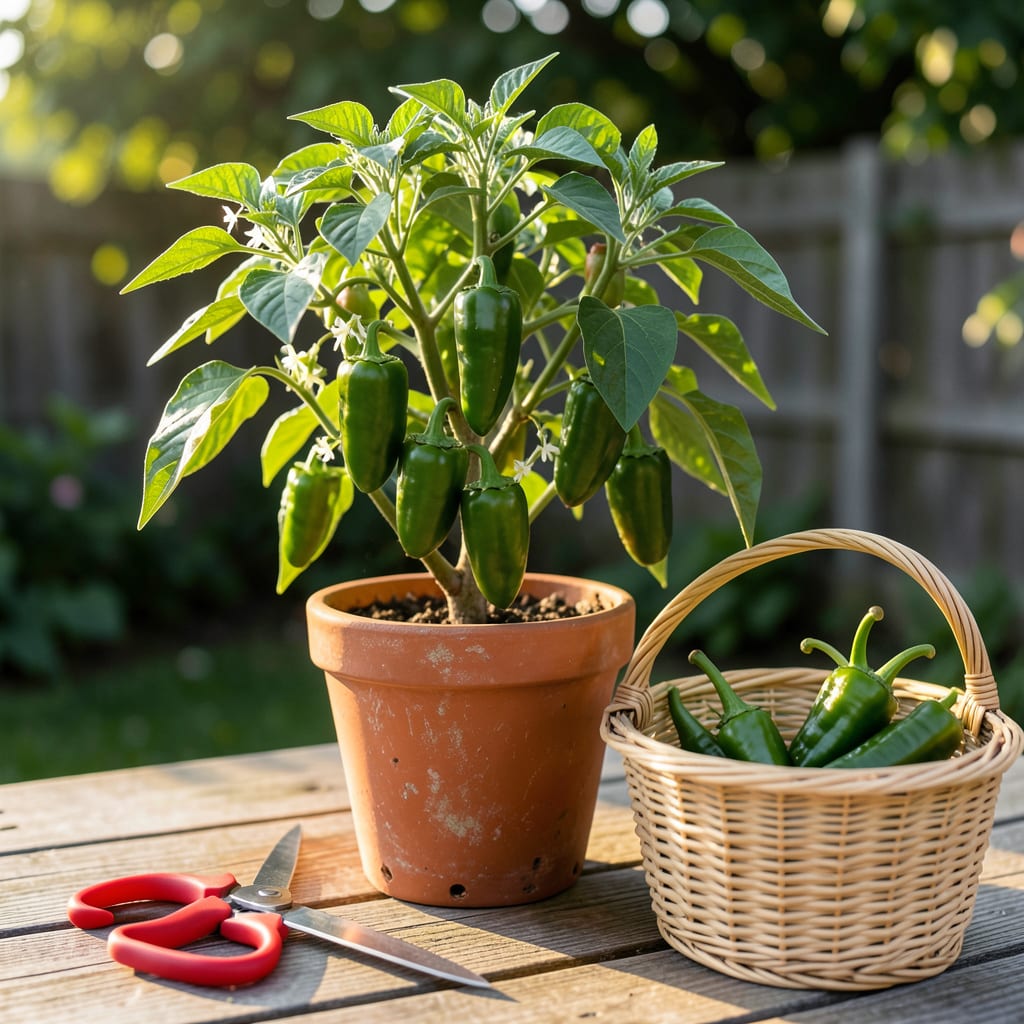
That moment when your 🌶️ Jalapeno plant finally produces peppers—only to leave you guessing: Is it ready yet? Picking too soon means missing out on that signature kick, but wait too long and you might lose the crisp texture we all love.
I’ve been there, staring at my garden wondering if today’s the day. After years of testing (and a few spicy mistakes), I’ll show you the exact signs to look for—no guesswork, just perfect peppers every time. Let’s get this right.


Nothing beats the satisfaction of growing your own jalapeños, but knowing exactly when to harvest can feel like a guessing game. After testing countless peppers in my garden, I’ve learned that size, color, and texture are your best clues. Let’s break down the foolproof signs.
Most gardeners assume bigger means better, but with jalapeños, it’s all about maturity stage. A perfectly ripe pepper will be 2-3 inches long, firm to the touch, and have a glossy sheen. If it’s dull or squishy, it’s not ready yet.
| Ripeness Stage | Color | Size | Texture | Best For |
|---|---|---|---|---|
| Early Stage | Pale green | 1-2 inches | Very firm | Not ready—wait! |
| Peak Ripeness | Bright green | 2-3 inches | Glossy, slight give | Fresh eating, salsas |
| Fully Mature | Red (if left) | 3+ inches | Softer, wrinkled | Drying, smoking |
One mistake I see often? Waiting for jalapeños to turn red. While red peppers are spicier, they’re also overripe for most uses. For classic jalapeño flavor, harvest when they’re bright green and firm. The red stage is best for drying or smoking.
Check the stem connection too. A ripe jalapeño will snap off easily with a gentle twist, while an unripe one clings stubbornly. If you’re unsure, give it 2-3 more days—jalapenos ripen quickly in warm weather.
Pro tip: Use pruning shears to avoid damaging the plant. Cut the stem about ¼ inch above the pepper to encourage new growth. Never yank peppers off—the plant will thank you with more fruit later.
If you’re growing jalapeños for heat, know that smaller peppers (harvested early) are often milder, while larger ones pack more punch. But size isn’t everything—stress factors like drought or heatwaves can make even small peppers fiery.
Still unsure? Taste-test one! Slice a tiny piece from the tip—if it’s crisp with a balanced heat, the rest are ready. If it’s bitter or bland, give them more time. Remember, jalapeños continue ripening after picking, so err on the side of slightly early.
Finally, don’t forget post-harvest care. Store fresh jalapeños in the fridge for up to 2 weeks, or dry them for long-term use. And always wear gloves if you’re sensitive to capsaicin—trust me, you don’t want it on your skin!
With these signs in mind, you’ll never second-guess your harvest again. Happy picking! 🌱
Ever wondered why some jalapeños make your eyes water while others barely register? The secret lies in when you pick them. Green jalapeños are crisp and mild, while red ones pack serious heat. But it’s not just about color—sun exposure and watering habits play huge roles too.
I’ve tested this myself: jalapeños left on the plant longer develop more capsaicin, the compound that brings the heat. But there’s a trade-off. The longer you wait, the thicker the walls become, which can make them less ideal for fresh dishes like salsas. Let’s break it down.
If you’re growing jalapeños for mild flavor, pick them when they’re still green and firm—usually around 2-3 inches long. This is the stage most grocery stores sell them, and it’s perfect for stuffing or fresh eating. The heat is gentle but present, ideal for those who want flavor without fire.
But if you crave serious spice, let them ripen to red. The capsaicin levels can double or triple as they mature. I once left a batch on the plant for an extra two weeks, and the difference was staggering—just be prepared for the heat! Red jalapeños also develop a subtle sweetness, great for smoking or drying.
Here’s a pro tip: Stress increases heat. If your plants endure drought conditions or intense sun, they’ll produce hotter peppers. I noticed this firsthand during a heatwave—my jalapeños were noticeably spicier! Just be sure to keep the soil consistently moist to avoid bitter flavors.
Finally, don’t forget that size doesn’t equal heat. A smaller jalapeño can be hotter than a larger one if it’s fully ripe. Focus on color and firmness instead. And if you’re unsure, taste-test a tiny piece—just be ready with some milk! 🌱
Harvesting jalapeños the right way ensures your plant keeps producing. I’ve learned through trial and error that gentle handling and the right tools make all the difference. Let’s dive into the best methods to pick peppers while keeping your plant healthy.
First, always use clean pruning shears or sharp scissors. Twisting peppers off by hand can tear stems and invite disease. I like to cut the stem about ¼ inch above the pepper—this prevents damage and encourages new growth for future harvests.
Timing matters too. I harvest in the early morning when peppers are crisp and hydrated. Avoid picking after rain or watering—wet plants are more prone to damage. If you’re harvesting multiple peppers, work from the outside in to avoid brushing against leaves, which can spread pests.
After picking, inspect the plant for new buds or small peppers. Removing overripe jalapeños signals the plant to redirect energy into new growth. I’ve found that regular harvesting (every 3-5 days in peak season) keeps production steady.
Finally, sterilize your tools after each use with rubbing alcohol to prevent disease. A quick wipe-down takes seconds but saves your plant from fungal issues. Store harvested peppers in a cool, dry place—they’ll last up to two weeks in the fridge or can be dried for long-term storage.
With these techniques, you’ll enjoy a bountiful harvest while keeping your jalapeño plant thriving for weeks. Happy picking! ✂️
Most jalapeño varieties are ready to harvest in 70-80 days after planting. In warm climates, they may mature faster—sometimes as early as 60 days. Check for bright green color and 2-3 inch length as key indicators.
You can, but they’ll be milder and less flavorful. Peppers under 1.5 inches haven’t fully developed their signature heat or crisp texture. If you must harvest early, let the remaining peppers mature fully for better results.
Overripe jalapeños turn red, soften, and develop a sweeter, smokier flavor—but they lose crispness. The plant may also stop producing new peppers. For classic jalapeño taste, harvest while green and firm.
Capsaicin (the compound that makes peppers hot) can irritate skin and eyes. Even mild jalapeños can cause discomfort if you touch your face afterward. A simple pair of gardening gloves prevents this issue entirely.
