
Beautiful Plants For Your Interior
Beautiful Plants For Your Interior
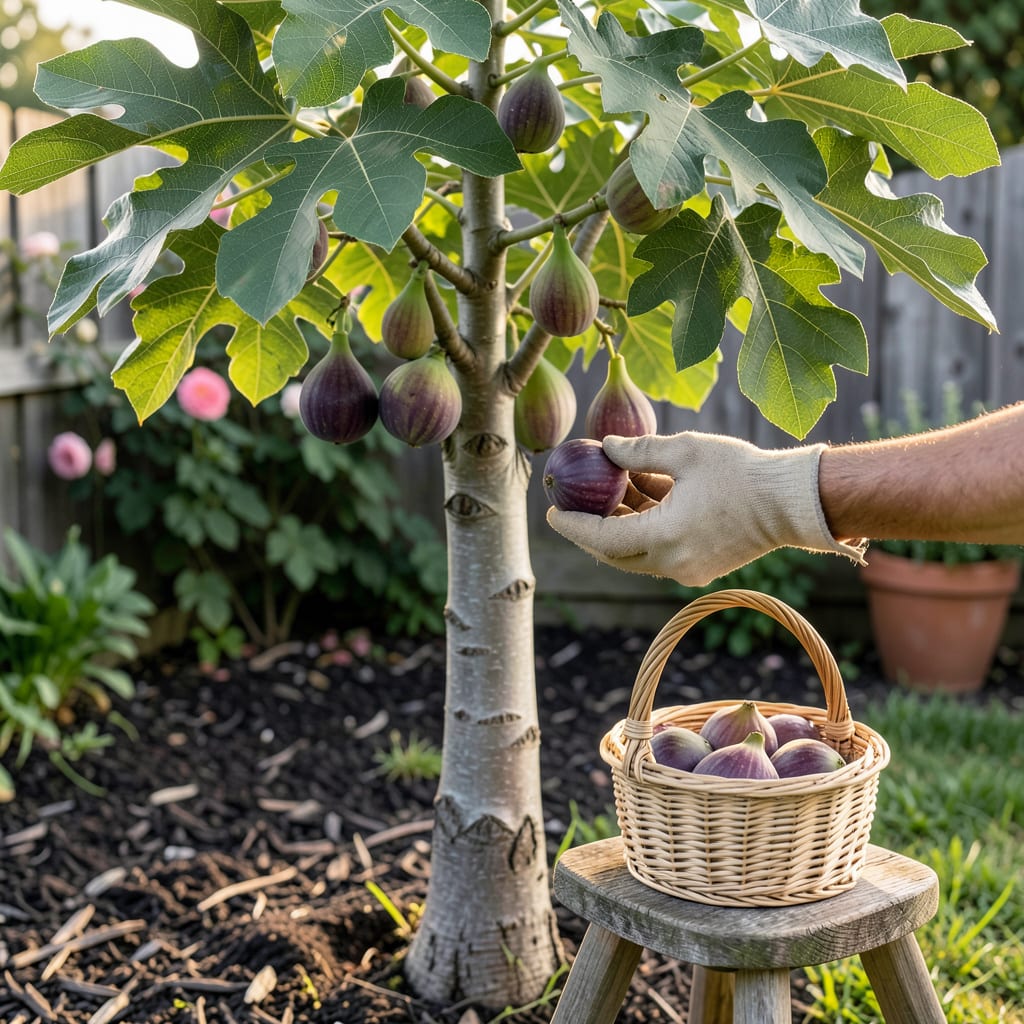
There’s nothing quite like the moment you pluck a perfectly ripe fig from your 🌳 tree—juicy, sweet, and bursting with flavor. But timing is everything. Pick too soon, and you’ll get a bland, rubbery disappointment; wait too long, and the birds or overripeness will beat you to it.
I’ve learned the hard way that knowing exactly when to harvest makes all the difference. Whether you’re growing Black Mission, Brown Turkey, or Kadota figs, I’ll show you the foolproof signs to look for—and how to handle them once they’re off the tree. Let’s make this your sweetest harvest yet.


Nothing beats the satisfaction of harvesting a perfectly ripe fig straight from your tree. But how do you know it’s ready? The secret lies in four key indicators: color, texture, aroma, and how easily it detaches. Each fig variety has its own cues, so I’ll break it down simply.
For example, Black Mission figs turn deep purple-black when ripe, while Kadota figs shift to a golden amber. A gentle squeeze should reveal slight softness—like a ripe avocado. If the fig resists, it’s not ready. Let’s dive into the specifics so you never guess again.
| Variety | Ripe Color | Texture & Aroma |
|---|---|---|
| Black Mission | Deep purple-black | Soft, sweet fragrance, slight neck droop |
| Brown Turkey | Coppery brown with green tint | Yields to gentle pressure, honey-like scent |
| Kadota | Golden amber (no green) | Firm but slightly yielding, mild sweetness |
| Celeste | Light brown with violet tint | Very soft, rich berry-like aroma |
One of the biggest mistakes I see is picking figs based on size alone. A large fig isn’t necessarily ripe! Instead, focus on the neck of the fig—when it droops slightly and the skin develops tiny cracks, that’s your green light. For Brown Turkey figs, the coppery hue deepens dramatically.
Another telltale sign is the stem area. A ripe fig’s stem will often ooze a tiny drop of syrupy nectar—nature’s way of saying, “I’m ready!” If you see this, harvest immediately. For Celeste figs, the violet blush becomes more pronounced, and the fruit feels almost too delicate to handle.
Don’t forget the sniff test! Ripe figs emit a subtle, sweet fragrance. If you hold the fig near your nose and smell nothing, it needs more time. This is especially true for Kadota figs, which can look ripe before they’ve developed their full flavor. Patience pays off with sweeter fruit.
If you’re growing figs in cooler climates, ripening may take longer. Watch for color changes first, then check texture. In hotter zones, figs can ripen overnight—so check your tree daily during peak season! I once lost half my crop to birds because I waited a day too long. Lesson learned.
When you’re ready to pick, use a gentle twisting motion. If the fig resists, leave it! Forcing it off the tree can damage the plant and future fruit. For stubborn stems, I use clean pruners to snip the stem just above the fruit. Always wear gloves—fig sap can irritate skin.
After harvesting, handle figs with care. They bruise easily! Place them in a single layer in a shallow container—never stack them. If you’re not eating them immediately, store at room temperature for 1–2 days max. For longer storage, refrigerate in a paper bag to absorb excess moisture.
Remember, figs won’t ripen further once picked. So if you harvest one that’s still firm, it’ll stay that way. That’s why timing is everything. With these tips, you’ll be enjoying tree-ripened sweetness every time—no guesswork required! 🌿
Fig trees follow their own schedule, and your local climate plays a huge role in when those sweet fruits will be ready. In most regions, figs produce two crops yearly: the early breba crop (on last year’s wood) and the main crop (on new growth). Timing varies wildly by zone.
If you’re in USDA Zones 8–10 (think California or the Southeast), expect your first figs as early as June or July, with the main harvest stretching into September or October. Cooler zones like 6–7 might not see ripe figs until late August or early September, with a shorter window.
Here’s a trick I swear by: Track your first ripe fig each year. Jot down the date in your gardening journal. Next season, you’ll know exactly when to start checking. For my Brown Turkey figs in Zone 7, the main crop always kicks off around August 15th, give or take a week.
Weather throws curveballs. A heatwave can ripen figs overnight, while cool spells slow things down. If temperatures dip below 50°F at night, figs may pause ripening. In humid climates, watch for fruit split—harvest at the first sign of cracks to avoid rot.
Don’t forget the breba crop! These early figs often ripen 2–4 weeks before the main harvest. They’re usually smaller but just as sweet. I’ve found breba figs on my Celeste tree as early as late May in warm years. Keep an eye out—they’re easy to miss!
If you’re growing figs in containers, timing shifts. Potted trees ripen later because their roots stay cooler. To speed things up, place containers against a south-facing wall or on a patio that absorbs heat. I’ve had potted Kadota figs ripen 3 weeks later than their in-ground cousins.
When in doubt, let the tree tell you. Figs ripen from the bottom up, so check lower branches first. And remember: Birds love figs too! If you spot them pecking, it’s time to harvest—even if a few figs aren’t fully ripe. Better early than never! 🌿
You’ve picked your figs at the perfect moment—now what? The way you handle them post-harvest makes all the difference between enjoying their honeyed sweetness or watching them spoil too soon. Figs are delicate, so every step counts.
First, resist the urge to wash them! Moisture speeds up spoilage. Instead, gently brush off any dirt with a dry cloth. If you must rinse, pat them completely dry with a paper towel. I learned this the hard way after losing a batch to mold overnight.
For short-term storage, place figs in a shallow container lined with paper towels. Avoid plastic bags—they trap ethylene gas, which overripens fruit. If you need to refrigerate, use the crisper drawer set to low humidity. Cold slows spoilage but dulls flavor, so bring them to room temp before eating.
Got more figs than you can eat? Freezing preserves their flavor beautifully. Wash, pat dry, then slice or leave whole. Spread on a tray to freeze solid before transferring to bags. I freeze mine in single layers so I can grab just what I need later. They’ll keep for 6–8 months!
If your figs are slightly underripe, place them in a paper bag with a banana. The ethylene from the banana will speed ripening. Check daily—this trick works in 1–2 days. For overripe figs, blend into smoothies, simmer into jam, or dry them for chewy snacks.
Watch for spoilage signs: mushy spots, fermented smell, or oozing liquid. One bad fig can ruin the whole batch, so inspect daily. If you spot mold, compost it immediately. With proper care, your harvest will stay fresh long enough to savor every last bite. 🌿
Overripe figs become mushy to the touch and may ooze liquid. The skin often develops large cracks, and the fruit emits a fermented smell. If you notice these signs, harvest immediately—even slightly overripe figs work well for jams or drying.
Unlike some fruits, figs won’t ripen further once picked. They must ripen fully on the tree for optimal sweetness. If you harvest underripe figs, they’ll stay firm and lack flavor—patience is key!
Splitting usually happens due to sudden rain or overwatering after a dry spell. The fruit absorbs water too quickly, causing the skin to crack. To prevent this, maintain consistent moisture and harvest figs before heavy rain.
No, ripening times vary by variety. For example, Black Mission figs often ripen earlier than Kadota figs. Even on the same tree, figs ripen in stages—check daily during peak season to catch each one at its prime.
Birds love ripe figs! Use netting or mesh bags to cover clusters as they near ripeness. Another trick: Hang shiny objects (like old CDs) near the tree to deter them. Harvest promptly once figs soften.
