
Beautiful Plants For Your Interior
Beautiful Plants For Your Interior
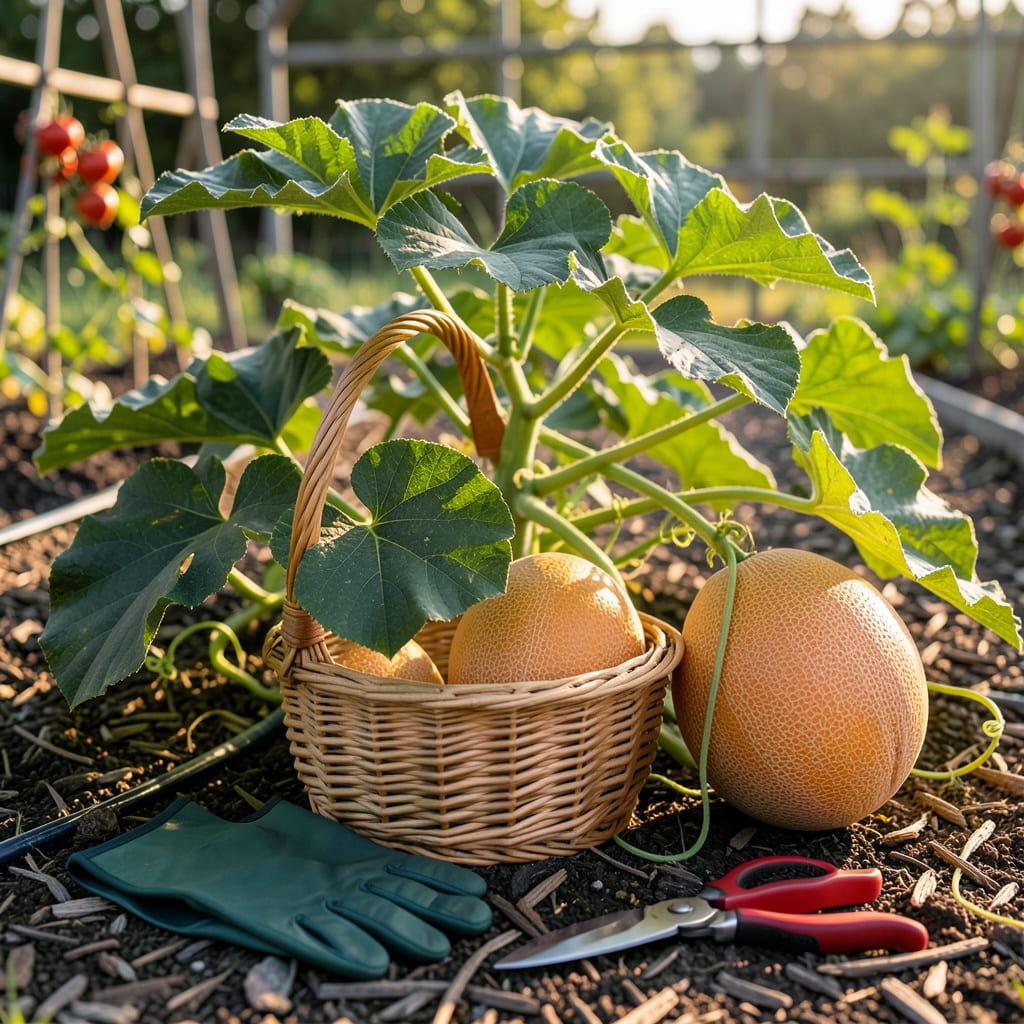
Nothing beats the disappointment of cutting into a cantaloupe only to find it underripe—or worse, overripe and mushy. That perfect balance of sweetness and firmness is what we’re all after, but timing the harvest can feel like a guessing game.
After years of growing 🍈 cantaloupes in Zone 6, I’ve learned the three foolproof signs that take the mystery out of picking. No more second-guessing—just juicy, sun-ripened fruit every time. Let’s break down exactly what to look for and why it matters.


After watching my cantaloupes transform from tiny green orbs to fragrant, golden fruits, I’ve learned that three key signs reveal perfect ripeness. Unlike store-bought melons, homegrown cantaloupes won’t ripen further once picked, so nailing the timing is critical. Let’s dive into the visual, tactile, and aromatic clues that guarantee sweetness.
The first sign is the “slip test”—when the stem detaches with just a gentle tug. This happens because the fruit naturally separates from the vine at peak ripeness. If you have to yank hard, it’s not ready. I check this daily once the melon reaches full size, usually around 75-85 days after planting, depending on the variety. 🌱
Check all three signs for 100% accuracy—never rely on just one!
The second sign is the netting pattern on the rind. When unripe, the “net” appears gray-green and raised. As the cantaloupe matures, this webbing turns beige or tan and becomes more pronounced. For varieties like ‘Hale’s Best’ or ‘Ambrosia’, the background color beneath the netting shifts from green to creamy yellow—especially on the underside.
Finally, the fragrance test is my favorite. A ripe cantaloupe emits a sweet, musky aroma even before you cut into it. I call this the “driveway test”: if you can smell the melon’s sweetness from a foot away, it’s ready. No scent means it needs more time. This fragrance comes from volatile compounds that develop as sugars concentrate in the fruit.
For extra confirmation, press the blossom end (opposite the stem). A ripe cantaloupe will yield slightly under gentle pressure—like pressing a ripe avocado. If it’s rock-hard, wait another day or two. If your fingernail leaves an indentation, it’s overripe. I use my thumbnail for this test to ensure consistent pressure.
Pro tip: Morning harvesting preserves sweetness. Cantaloupes picked in the cool morning hours retain more sugars than those harvested during afternoon heat. I bring a sharp knife to the garden and cut the stem cleanly about 1 inch above the fruit to avoid damaging the vine. Leave a short stem attached to extend shelf life by a day or two.
If you’re growing multiple varieties, note that heirloom cantaloupes often ripen faster than hybrids. For example, ‘Minnesota Midget’ matures in about 70 days, while ‘Sugar Cube’ may need 85 days. Keep a garden journal to track which varieties perform best in your climate and adjust your planting schedule accordingly.
Remember, weather impacts ripening. A heatwave can speed up maturity by 3-5 days, while cool, cloudy weeks may delay it. I’ve found that cantaloupes grown in raised beds often ripen slightly faster due to warmer soil temperatures. Use a soil thermometer to monitor conditions—ideal soil temp for ripening is 70-85°F. 🌡️
Once picked, store cantaloupes at room temperature for 1-2 days to reach peak flavor, then refrigerate. Whole melons keep for about 5 days in the fridge, while cut pieces stay fresh for 3 days in an airtight container. For the best texture, bring refrigerated cantaloupe to room temperature before eating.
Timing is everything with cantaloupes. Pick too soon, and you’ll end up with a hard, flavorless fruit that never sweetens properly. The sugars in cantaloupes develop in the final days on the vine, so an early harvest means missing out on that juicy sweetness we all crave.
On the flip side, leaving them too long can lead to overripe melons that ferment on the vine or split open. Once a cantaloupe passes its prime, the flesh turns mushy, the seeds may sprout inside, and the flavor becomes unpleasantly strong. It’s a delicate balance!
💡 Pro Tip: A slightly early cantaloupe can ripen 1-2 more days on your counter, but an overripe one can’t be saved!
If you’ve picked a cantaloupe a little early, don’t panic. Place it in a paper bag with a ripe banana or apple at room temperature. The ethylene gas from the banana will help speed up ripening slightly, though it won’t match vine-ripened sweetness.
For overripe melons, your best bet is to use them immediately. Cut out any soft spots, and enjoy the remaining flesh in smoothies or chilled soups. Avoid storing overripe cantaloupes whole—they’ll deteriorate within 24-48 hours even in the fridge.
The golden window for picking lasts about 3-5 days once the fruit is fully mature. I check my cantaloupes daily during this period, gently pressing the blossom end and sniffing for that telltale sweetness. Trust your senses—they’re your best tools!
Remember, weather plays a role too. Hot, dry spells can accelerate ripening, while cool, rainy periods may slow it down. Adjust your harvest timing based on your local conditions, and you’ll be rewarded with perfectly ripe cantaloupes every time. 🌱
Understanding the growth stages of your cantaloupe helps you predict harvest time with precision. From the first yellow blossoms to that final sweet fruit, each phase gives clues about when to expect ripeness. Most varieties follow a similar timeline, though weather and care can shift things by a week or two.
Cantaloupes typically take 70-85 days from planting to harvest. The first 30-40 days focus on vine growth, followed by flowering. Once pollinated, the tiny fruits appear and begin their journey to ripeness. I mark my calendar at day 60 to start daily checks, as this is when the real magic happens. 🌱
| Stage | Days | What to Watch For |
|---|---|---|
| Germination | 5-10 | First true leaves appear |
| Vine Growth | 30-40 | Vines spread 3-5 feet |
| Flowering | 45-55 | Yellow flowers open in morning |
| Fruit Set | 55-65 | Tiny melons form after pollination |
| Maturation | 65-80 | Netting develops, color changes |
| Harvest Ready | 75-85 | Stem slips, sweet aroma present |
Note: Timing varies by variety and climate conditions
Popular varieties like ‘Hale’s Best’ and ‘Ambrosia’ typically mature in 80-85 days, while smaller types like ‘Minnesota Midget’ may be ready in just 70 days. I’ve found that heirloom varieties often ripen faster but have shorter storage lives than modern hybrids.
Soil temperature plays a huge role in ripening speed. Cantaloupes thrive when soil stays between 70-85°F. In cooler climates, using black plastic mulch can warm the soil and speed up maturity by 5-7 days. Conversely, prolonged cool spells may delay harvest by a week or more. 🌡️
Watering consistency affects timing too. Uneven moisture—especially drought followed by heavy watering—can cause fruits to crack or develop unevenly. I maintain 1-1.5 inches of water weekly, tapering off slightly as harvest approaches to concentrate sugars. The final week is critical for flavor development!
For container gardeners, cantaloupes in 5-gallon pots may ripen 3-5 days faster than their in-ground counterparts due to warmer root zones. Just be sure to provide trellising for the vines and monitor soil moisture closely, as pots dry out faster. The same variety can vary by nearly a week depending on your setup.
Use the fragrance test first—ripe cantaloupes emit a sweet, musky aroma you can smell from a foot away. Then check the netting color; it should be beige/tan, not green. Finally, press the blossom end gently—it should yield slightly like a ripe avocado.
Pick in the early morning when temperatures are cool. This preserves maximum sweetness, as sugars concentrate overnight. Avoid harvesting during afternoon heat, which can cause the fruit to lose moisture and flavor quickly.
Cantaloupes won’t ripen significantly off the vine, but a slightly underripe one can improve. Place it in a paper bag with a banana or apple at room temperature for 1-2 days. The ethylene gas will help soften it slightly.
Splitting usually happens from uneven watering or sudden rain after drought. The fruit absorbs too much water too quickly. To prevent this, maintain consistent moisture—1-1.5 inches per week—and avoid overhead watering as harvest nears.
At room temperature, it stays fresh for 1-2 days. Refrigerated, whole cantaloupes keep for about 5 days, while cut pieces last 3 days in an airtight container. For best flavor, bring it to room temp before eating.
