
Beautiful Plants For Your Interior
Beautiful Plants For Your Interior
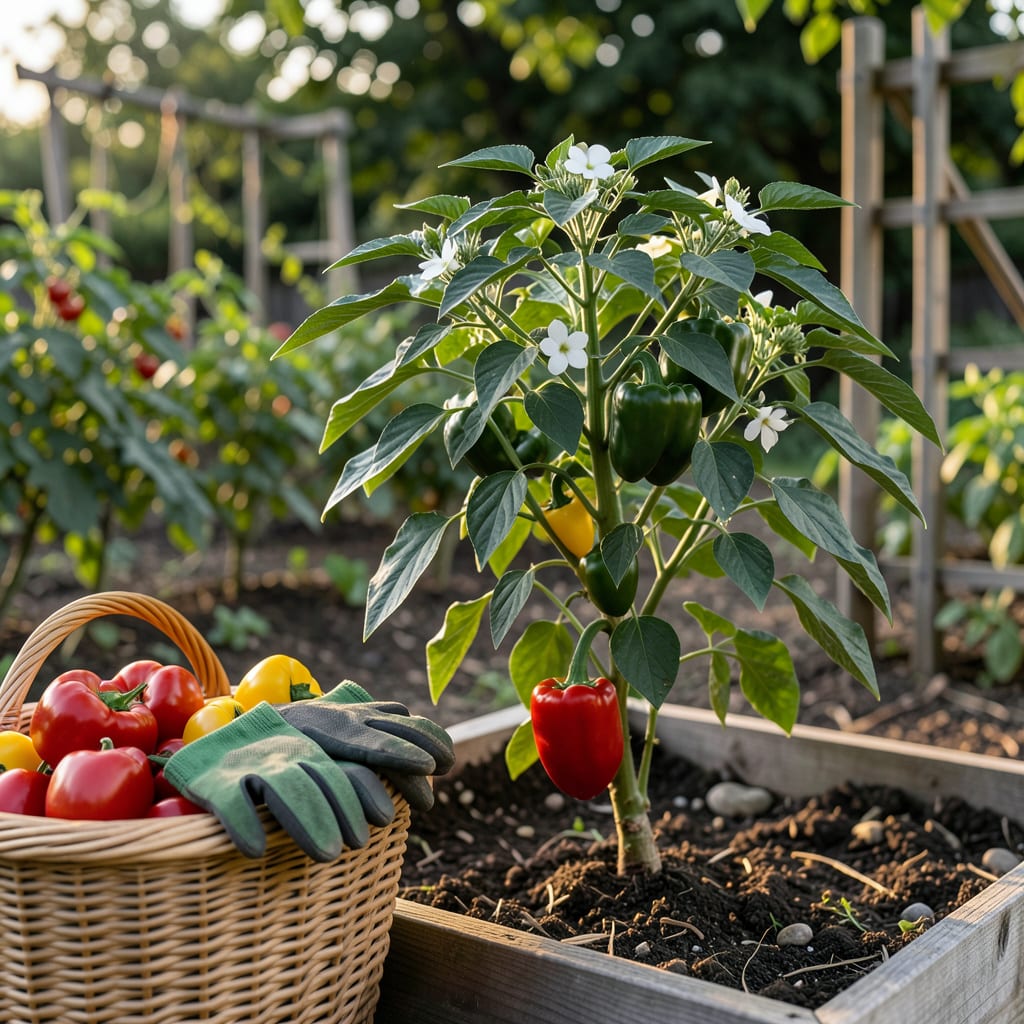
That moment when your 🌶️ bell pepper finally looks ready—only to taste disappointingly bland? I’ve been there. The secret isn’t just patience; it’s knowing the exact signs that scream “pick me now!” before flavor peaks and fades.
From glossy skin to that perfect snap off the vine, I’ll show you how to time your harvest for juicy, sweet peppers every time. No guesswork, no wasted effort—just garden-fresh results you’ll taste in every bite.


Nothing beats the satisfaction of plucking a perfectly ripe bell pepper from your garden—crisp, sweet, and ready to enjoy. But timing is everything. Pick too soon, and you’ll get a bitter, underdeveloped flavor. Wait too long, and the pepper may turn mushy or lose its signature crunch.
I’ve learned that color and size are your best guides. Green peppers can be harvested early, but colored varieties like red, yellow, or orange need extra time to develop their full sweetness. Let’s break down the exact cues so you never second-guess your harvest again.
| Variety | Harvest Time | Size at Maturity | Key Signs |
|---|---|---|---|
| Green | 60-75 days | 3-4 inches | Firm, glossy, deep green |
| Red | 75-90 days | 4-5 inches | Bright red, slight softness |
| Yellow/Orange | 70-85 days | 3.5-4.5 inches | Vibrant hue, sweet aroma |
*Days from transplanting; size varies by cultivar.
For green bell peppers, you can start harvesting once they reach full size—usually 3-4 inches long—even if they’re still light green. But if you’re growing colored varieties, patience pays off. A red pepper left on the vine longer develops more vitamins and a sweeter taste.
Here’s my foolproof firmness test: Gently squeeze the pepper. It should feel solid but yield slightly under pressure, like a ripe avocado. If it’s rock-hard, it needs more time. If it’s soft or wrinkled, you’ve waited too long.
Don’t forget the stem check! A ripe pepper will separate easily from the plant with a gentle twist. If you’re tugging hard, it’s not ready. I always use clean pruners to avoid damaging the plant—just snip the stem about ½ inch above the pepper.
Pro tip: Harvesting regularly encourages more production. If you leave overripe peppers on the plant, it signals the season is ending, and new blooms may stop forming. I aim to pick peppers every 3-5 days during peak season to keep my plants productive.
If you’re growing mini bell peppers, they’ll be ready sooner—often in just 50-60 days. Look for their signature bright colors and a slight sheen. These little guys are perfect for snipping with scissors to avoid disturbing the delicate stems.
Remember, morning harvests are best. Peppers picked early in the day retain more moisture and crispness. Plus, the plant has all day to recover from the stress of harvesting. Store them unwashed in the fridge for up to 10 days, or enjoy them fresh within hours for maximum flavor.
By mastering these signs, you’ll transform your bell pepper harvest from a game of guesswork to a reliable rhythm of garden-fresh rewards. Happy picking! 🌱
Even experienced gardeners sometimes sabotage their bell pepper harvest without realizing it. I’ve seen perfectly good peppers turn to waste because of a few avoidable blunders. The good news? Most mistakes stem from timing misjudgments or rough handling.
One of the biggest errors is picking too early—especially with colored varieties. A yellow pepper plucked while still pale green will never reach its full sweetness. On the flip side, leaving peppers on the plant until they’re overripe and wrinkled invites pests and reduces future yields.
*Fix these, and you’ll double your usable harvest!
Another critical mistake is harvesting during heatwaves. Peppers stressed by 90°F+ temps become bitter and soft. I always check the forecast and pick in the early morning when temps are below 80°F for the best texture and flavor.
Here’s a trick I swear by: the “thumb test”. Press your thumbnail into the pepper’s skin. If it leaves a slight dent that bounces back, it’s ripe. If the skin cracks or stays dented, you’ve waited too long. This works for all colors, from green California Wonders to purple Beauty peppers.
Don’t overlook the stem connection either. A pepper ready to pick will have a stem that snaps cleanly with a gentle twist. If you’re wrestling with it, walk away and check again in 2-3 days. Forcing it risks tearing the plant’s branches, which stunts future growth.
Finally, watch for pest pressure. If you spot holes from pepper maggots or aphids clustering near the stem, harvest immediately—even if the pepper isn’t fully colored. I’d rather have a slightly early pepper than no pepper at all to insect damage. Store these “rescue peppers” in a paper bag at room temp to ripen further.
By sidestepping these pitfalls, you’ll turn every harvest into a flavor-packed success. Your peppers—and your taste buds—will thank you! 🌿
You’ve nailed the perfect harvest—now what? How you handle peppers post-picking determines whether they stay crisp for weeks or turn mushy in days. I’ve ruined my share of peppers by storing them wrong, but these simple steps will keep yours fresh and flavorful longer.
First, resist the urge to wash them immediately. Moisture speeds up spoilage, so I brush off dirt with a dry cloth instead. For peppers that need ripening—like green ones you picked early—a paper bag on the counter works wonders. Add an apple or banana to the bag to speed up the process!
For long-term storage, freezing is your best bet. Slice peppers, remove seeds, and spread them on a baking sheet to freeze individually. Once solid, transfer to a freezer bag. They’ll keep for 6-8 months and work great in cooked dishes (though they’ll be softer when thawed).
Watch for spoilage signs: wrinkled skin, soft spots, or a fermented smell mean it’s time to compost. If you spot mold, toss the pepper immediately—it spreads fast! I check my stored peppers every 2-3 days and remove any that show early decay to protect the rest.
Here’s a trick for reviving wilted peppers: Soak them in ice water for 15-20 minutes. They’ll crisp back up, though they’re best used quickly after this treatment. For peppers you’ll use within a day, leave them on the counter—they’ll stay firmer than refrigerated ones.
By mastering these storage secrets, you’ll stretch your harvest’s lifespan and minimize waste. Nothing beats the taste of homegrown peppers—now you can enjoy them longer! 🌿
Green peppers are ready when they reach their full size (usually 3-4 inches) and have a deep green color. They should feel firm with a slight give when squeezed. If they’re still pale or rock-hard, give them a few more days.
If you want sweeter, more flavorful peppers, leave them on the vine until they fully change color. Red peppers take about 75-90 days from planting. Just watch for overripening—wrinkles or soft spots mean it’s time to harvest.
Early morning is ideal, before temperatures rise above 80°F. Peppers harvested then retain more moisture and crispness. Avoid midday heat, which can cause wilting or stress to the plant.
Yes! Regular harvesting signals the plant to produce more blooms. Aim to pick peppers every 3-5 days during peak season. Just avoid removing more than 1/3 of the peppers at once to keep the plant healthy.
Store unwashed peppers in the fridge’s crisper drawer for up to 10 days. For longer storage, freeze sliced peppers on a tray before bagging. Green peppers can ripen further in a paper bag at room temperature.
