
Beautiful Plants For Your Interior
Beautiful Plants For Your Interior
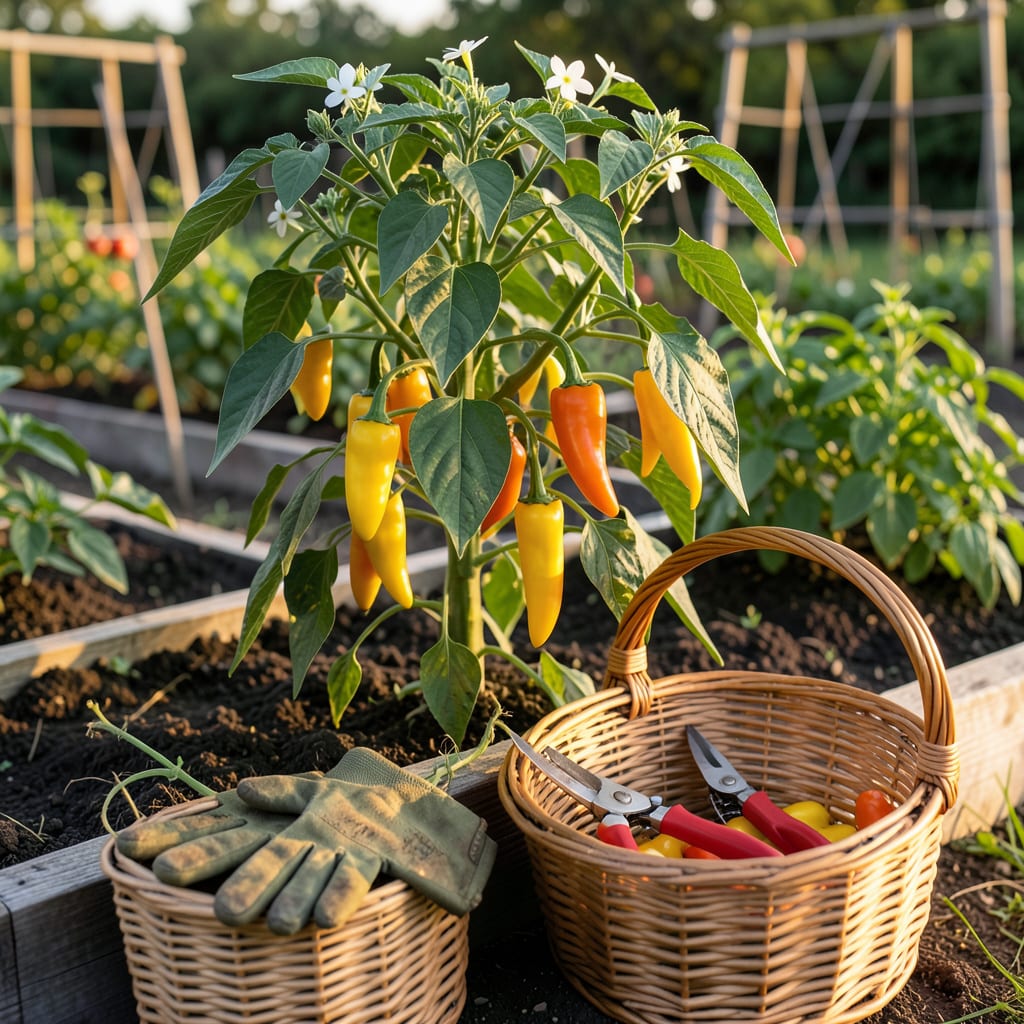
There’s nothing quite like plucking a perfectly ripe 🌶️ banana pepper from your garden—crisp, vibrant, and packed with flavor. But timing that harvest? That’s where many gardeners second-guess themselves.
Pick too soon, and you’ll miss out on that signature sweetness; wait too long, and the texture turns mushy. I’ll show you the exact signs to watch for, so every pepper you harvest is at its flavorful peak. Let’s make this season your most bountiful yet.


Knowing exactly when to pick your banana peppers can feel like a guessing game, but your plants actually give clear signals. I’ve learned that color, texture, and size are the three biggest clues—and ignoring them can mean missing that perfect window of sweetness and crunch.
Most gardeners focus only on color, but I’ll show you why firmness and aroma matter just as much. A ripe banana pepper should feel like a firm tomato: slightly yielding when pressed, with a glossy skin that practically glows. Let’s dive into the specifics so you never second-guess your harvest again.
| Ripeness Stage | Visual Signs | Texture & Aroma | Best For |
|---|---|---|---|
| Early (Green) | Pale green, 2–3 inches | Very firm, no aroma | Pickling, raw snacks |
| Peak (Yellow) | Bright yellow, glossy | Slight give, sweet scent | Fresh eating, stuffing |
| Late (Red) | Deep orange/red | Soft, fruity aroma | Roasting, grilling |
The stem connection is another telltale sign. A ripe banana pepper will detach with a gentle twist, while an unripe one clings stubbornly. I always check the stem end—if it’s still green while the pepper is yellow, give it another day or two. The stem should match the pepper’s color at peak ripeness.
Don’t overlook the size test. Most varieties reach 3–6 inches long when fully mature. If your peppers are stunted, they may need more time or better growing conditions. I’ve found that consistent watering and full sun exposure help peppers reach their ideal size faster.
Here’s a pro tip: Harvest in the morning when peppers are most crisp and hydrated. The cooler temperatures help preserve their texture and flavor. Use clean, sharp pruning shears to avoid damaging the plant—never yank peppers off by hand, as this can harm future production.
If you’re growing multiple plants, you might notice variations in ripening times. This is normal! Factors like soil quality, sun exposure, and even the plant’s age can cause differences. I like to harvest peppers in stages, picking the ripest first and giving others more time.
After picking, store your peppers in a perforated bag in the fridge’s crisper drawer. They’ll stay fresh for up to 10 days. For longer storage, consider freezing or drying—just be sure to remove seeds and membranes first if you plan to use them later in recipes.
Remember, the more you harvest, the more your plant will produce. I aim to pick peppers every 3–5 days during peak season to encourage continuous fruiting. With these signs in mind, you’ll always harvest at the perfect moment for your taste preferences.🌿
Still unsure? Try the taste test: sample one pepper at different stages to discover your preferred flavor profile. Gardening is all about experimentation, and your taste buds are the best judge of all!🪴
Banana peppers transform dramatically as they mature, and each stage offers a unique flavor profile. I’ve found that picking at the right growth phase can completely change your pepper’s taste—whether you want mild crunch or tangy sweetness. Let’s break down what to expect at every stage.
Most gardeners don’t realize that color changes signal more than just ripeness—they indicate shifts in sweetness and heat. A green banana pepper is crisp and mild, while a red one develops deeper, fruitier notes. Your harvest timing should match your taste preferences.
For the mildest flavor, harvest when peppers are still green but have reached full size. I like to use the “squeeze test”: gently press the pepper—if it gives slightly but bounces back, it’s ready. A dull skin or resistance means it needs more time.
If you prefer sweeter peppers, wait until they turn bright yellow. At this stage, the aroma intensifies, and the flesh becomes juicier. I’ve noticed that peppers left on the plant longer also develop a thinner skin, which is great for quick cooking.
For those who love bold, tangy flavors, let your peppers ripen to red. They’ll be softer but packed with complexity. Just be sure to check them daily—overripe peppers can attract pests or split. A gentle twist should separate the pepper from the stem cleanly.
Remember, weather impacts ripening. Hot, dry spells can speed up the process, while cool, wet conditions may slow it down. I always keep an eye on the forecast and adjust my harvest schedule accordingly. When in doubt, pick a test pepper and taste it!
Once harvested, store peppers in the fridge for up to 10 days, or dry/freeze them for long-term use. The key is handling them gently to avoid bruising. With these tips, you’ll enjoy peppers at their absolute best—every single time.🌿
Even experienced gardeners can make errors when harvesting banana peppers, and these mistakes often lead to lackluster flavor or reduced plant productivity. I’ve seen firsthand how timing missteps and rough handling can ruin an otherwise perfect crop. Let’s explore the most common pitfalls so you can avoid them.
One of the biggest mistakes is harvesting too early. Many gardeners get impatient and pick peppers when they’re still pale green or undersized. This results in a blanched taste and missed sweetness. I always remind myself that patience pays off—wait for that bright yellow hue and glossy sheen.
Another critical error is harvesting at the wrong time of day. Picking peppers during the heat of afternoon can cause them to wilt quickly. I always harvest in the early morning when temperatures are cool and peppers are most crisp. This simple timing adjustment makes a noticeable difference in shelf life.
Many gardeners also forget to check for hidden damage. Peppers with small cracks or soft spots should be used immediately—they won’t store well. I make it a habit to inspect each pepper carefully, especially after heavy winds or storms. Even minor bruises can lead to spoilage within days.
Finally, don’t neglect your plants after harvesting. Post-pick care is crucial for continued production. I always water deeply after a harvest and add a light balanced fertilizer to encourage new growth. Remember, the more you pick, the more your plant will produce—if you treat it right.🌿
Most varieties reach harvest readiness in 60–80 days after planting. Early green peppers may be ready at 60 days, while fully ripe yellow or red ones typically take 70–80 days. Always check visual cues rather than relying solely on timing.
Yes, but they’ll be milder and crunchier. Green peppers are perfect for pickling or raw snacks. For sweeter flavor, wait until they turn bright yellow. The longer they stay on the vine, the more their sweetness develops.
Harvest in the early morning when peppers are most crisp and hydrated. Avoid picking during afternoon heat, as peppers can wilt quickly. Morning harvesting helps preserve texture and extends shelf life significantly.
Overripe peppers become soft, wrinkled, or develop dark spots. They may also attract pests. If the skin loses its glossy sheen or the pepper separates too easily from the stem, it’s past its prime for most uses.
Always use clean, sharp scissors or pruners to avoid damaging the plant. Cut stems about ¼ inch above the pepper. Twisting can harm the plant and reduce future production. This method also prevents accidental stem breakage.
