
Beautiful Plants For Your Interior
Beautiful Plants For Your Interior
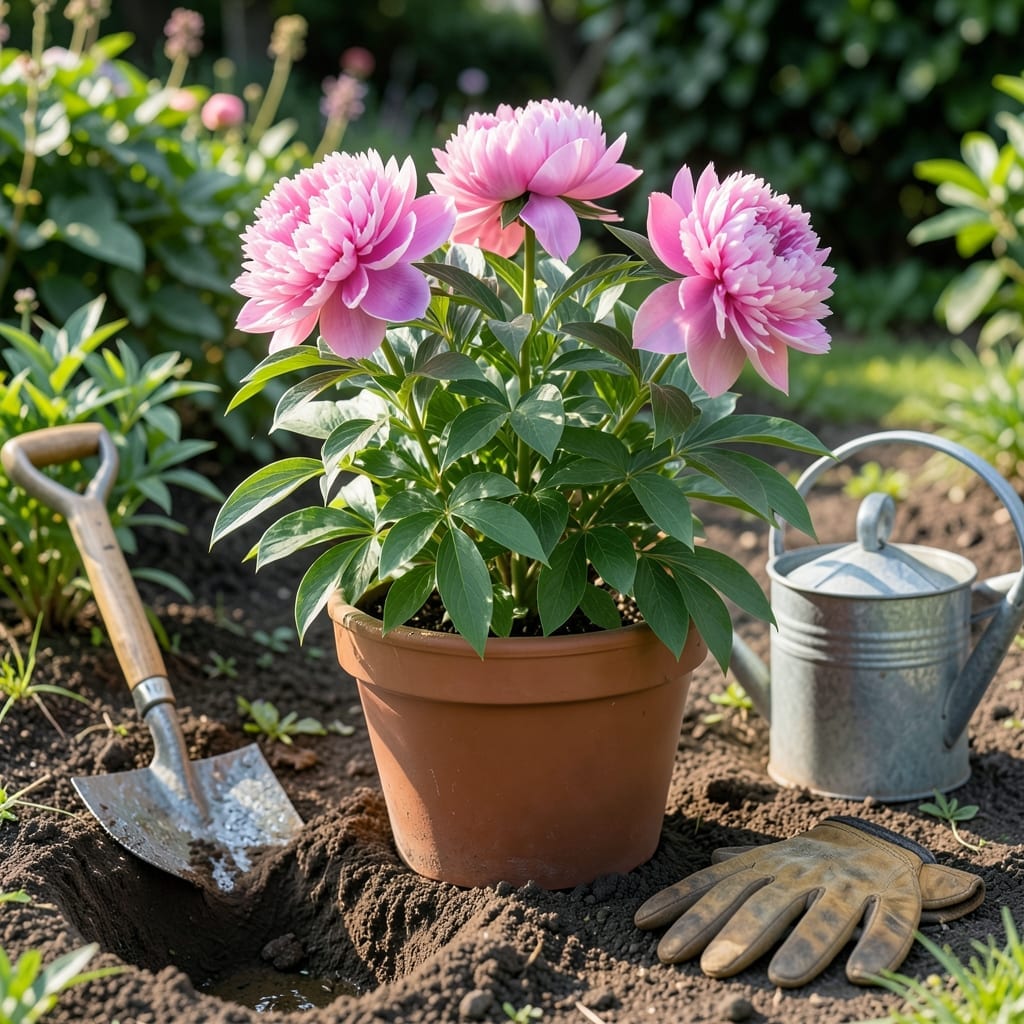
Moving Peony 🌸 plants at the wrong time can set back their growth for years, but choosing the right season ensures a smooth transition with minimal stress.
I’ve seen too many gardeners struggle because they didn’t know when to make the move. The timing is the key to helping your peonies thrive in their new location.
Discover the ideal windows for transplanting and why they matter so much. Let me show you how to get this right the first time.
Timing is everything when moving peony plants. I always recommend early fall as the absolute best window, specifically September to October. This gives roots time to establish before winter dormancy.
For gardeners in warmer climates, late winter (March-April) works too, but avoid freezing temps. The soil should be workable, not waterlogged or frozen.
| Time Window | Conditions | Zone Suitability |
|---|---|---|
| Early Fall | Cool temps, moist soil | USDA 3-8 |
| Late Winter | Workable soil, no frost | USDA 5-8 |
| Early Spring | Before new growth starts | USDA 3-5 |
The soil temperature is crucial—aim for 60-70°F. This range encourages root growth while minimizing shock. I’ve found peonies transplanted in these conditions bounce back fastest.
Avoid moving peonies during active growth (spring/summer) when they’re focusing energy on blooms. This stress can reduce flowering for years, which I know no gardener wants.
In colder zones (3-4), finish transplanting 6 weeks before frost. This timeline lets roots settle before the ground freezes. I learned this the hard way after losing a prized Sarah Bernhardt peony.
For southern gardeners (zones 7-8), late fall transplanting works well. The mild winters allow roots to establish without the stress of extreme cold.
Watch the weather forecast. A stretch of cool, cloudy days after transplanting reduces stress. I always plan my moves right before a gentle rain—nature’s perfect watering can.
Remember that herbaceous peonies and tree peonies have slightly different needs. The former prefer fall moves, while the latter can handle early spring better.
If you must move peonies in summer, do it on an overcast day and keep them well-watered. But honestly, I’d wait if possible—it’s just not worth the risk.
Trust me, your peonies will thank you with bigger blooms next season if you time this right 🌸
Moving peony plants requires careful preparation. I always start by pruning the foliage back to 6 inches to reduce stress. This helps the plant focus energy on root establishment.
Next, I carefully dig a wide circle around the plant, at least 12 inches from the stem. Peonies have deep roots, so I use a sharp spade to minimize damage.
The replanting depth is critical. I make sure the eyes (buds) are no more than 2 inches below soil. Planting too deep is a common mistake that prevents blooming.
After transplanting, I water deeply to settle the soil and eliminate air pockets. I’ve found that 1-2 inches of water works best, followed by a light mulch to conserve moisture.
I avoid fertilizing immediately after moving peonies. The roots need time to recover. Instead, I wait 4-6 weeks before applying a balanced, low-nitrogen fertilizer.
Post-move care includes monitoring moisture. I check the soil weekly and water when the top inch feels dry. This attention helps peonies establish quickly in their new home.
With these steps, your peonies will thrive in their new location. I’ve moved dozens this way, and they always reward me with bountiful blooms the next season ✂️