
Beautiful Plants For Your Interior
Beautiful Plants For Your Interior
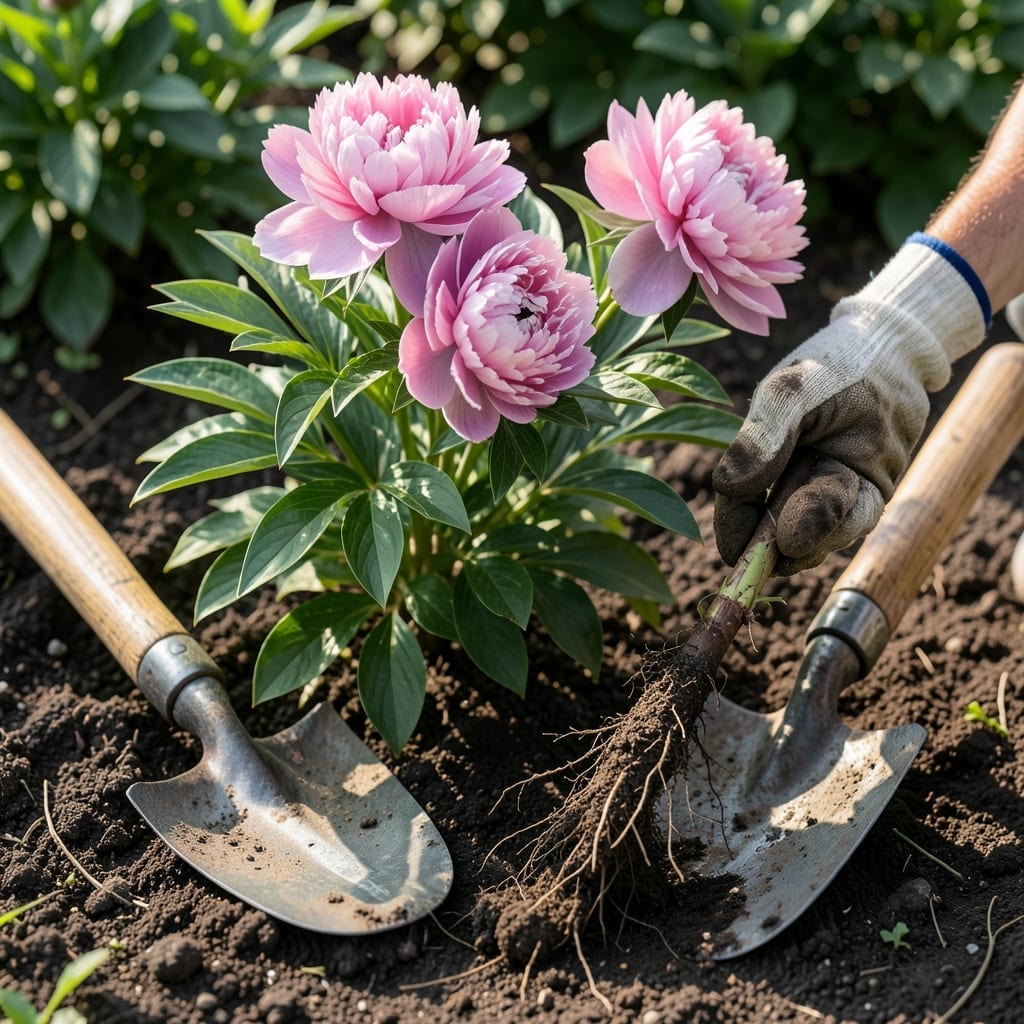
Moving your Peony 🌸 at the wrong time can stall its growth for years. I learned this the hard way after relocating mine in summer and losing a season of blooms.
Timing is everything with these perennials. The right season gives roots time to establish before winter hits, ensuring healthier plants come spring.
Discover when to make the move and how to do it without shocking your plants. Your garden will thank you next blooming season.
I’ve found that early fall is the golden window for moving peonies. This timing allows roots to establish before winter dormancy, giving your plants a head start for spring blooms. The cooler temperatures reduce transplant shock significantly.
The ideal months are September and October, when soil is still warm but air temperatures are cooler. This combination encourages root growth while minimizing stress on the plant. In my experience, this timing works across most USDA zones 3-8.
| Timing Factor | Ideal Condition |
|---|---|
| Best Months | September-October |
| Soil Temp | Warm (60-70°F) |
| Air Temp | Cool (50-65°F) |
| USDA Zones | 3-8 |
| Why It Works | Root establishment before winter |
In warmer climates (zone 8), you might push this to late October. But in cooler zones (3-4), aim for early September to give roots maximum time to settle. I always check the first frost date and work backward by 6-8 weeks.
The biology behind this timing is fascinating. Peonies enter dormancy in winter, but their roots remain active in fall. Moving them now allows new root growth to begin immediately, while the plant isn’t focused on top growth or flowering.
Avoid moving peonies in spring or summer. Spring transplanting can disrupt the current year’s blooms, while summer’s heat stresses the plant. I made the mistake of moving mine in July once – it took two full years to recover.
For container-grown peonies, the rules are slightly different. You can transplant these in early spring or fall, as their roots are already contained. But I still prefer fall for consistency with in-ground plants.
If you must move peonies in spring, do it as early as possible, right when new shoots emerge. Be prepared for reduced blooming that year. In my garden, spring-moved peonies often skip a blooming season entirely.
Remember that herbaceous peonies and tree peonies have slightly different needs. Herbaceous types handle fall transplanting best, while tree peonies can also be moved in early spring before new growth starts.
After transplanting, I always mark the location with a stake. It’s easy to forget where you’ve planted them, especially with late fall plantings. This simple step has saved me from accidentally digging up new transplants.
Finally, water your peonies thoroughly after moving them. I give mine a deep soak immediately after planting and continue watering weekly until the ground freezes. This consistent moisture helps roots establish before winter 🌱
Transplanting peonies successfully starts with proper preparation. I always begin by pruning the foliage back to 6 inches to reduce water loss and make handling easier.
Next, I water the plant thoroughly 24 hours before moving. This ensures the root ball stays intact during digging. Trust me, dry soil makes this process much harder.
When digging, I use a sharp spade to cut a wide circle around the plant, at least 12 inches from the stems. Peony roots spread wide, and you want to preserve as many as possible.
Lift the root ball gently, shaking off excess soil. If the roots are bound, I use my hands to loosen them slightly before replanting. This encourages outward growth in the new location.
Plant at the same depth as before – peonies hate being buried too deep. I mark the original soil line with a stick to ensure accuracy. This simple step prevents many transplanting failures.
After planting, I water deeply and add a 2-inch layer of mulch. This keeps roots moist and protected. I’ve found this method gives peonies the best chance to thrive in their new home 🌱