
Beautiful Plants For Your Interior
Beautiful Plants For Your Interior
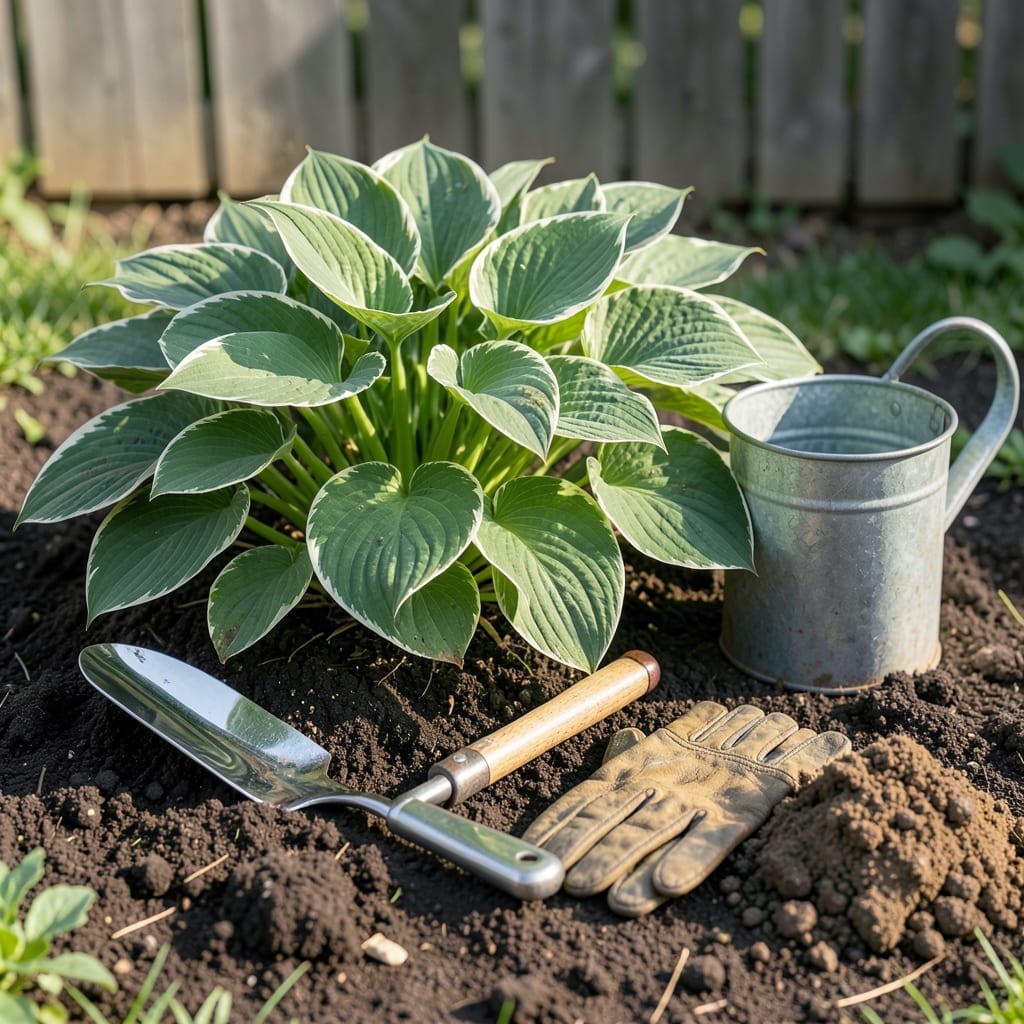
Moving your 🌿 Hostas at the right time can make all the difference between a thriving garden and a struggling one. I learned this the hard way after a few failed attempts.
Timing is the key to ensuring these shade-loving perennials establish well in their new home. Whether you’re rearranging your garden or rescuing Hostas from a poor spot, the season matters more than you think.
Discover when to move them for healthy growth and how to avoid common pitfalls that could set your plants back.
Timing your hosta transplanting correctly is crucial for their survival and growth. I’ve found that early spring and early fall are the best windows for this task.
In early spring, before new growth emerges, the soil is workable, and the plants can establish roots before summer heat. This gives them a strong start for the growing season.
| Season | Timing | Benefits |
|---|---|---|
| Early Spring | March-April | Roots establish before summer |
| Early Fall | August-September | Cool temps reduce transplant shock |
| Late Fall | October | Risky—roots need 4-6 weeks to settle |
In early fall, the cooler temperatures and consistent rainfall help reduce transplant shock. This gives hostas time to settle in before winter dormancy.
I always aim for morning transplanting to avoid midday stress. The soil should be moist but not soggy, and I water the plants thoroughly the day before moving them.
If you’re in a warmer climate (USDA Zones 7-9), you might get away with transplanting in late fall. But in colder zones, stick to early fall to ensure roots establish properly.
Avoid moving hostas in summer heat or winter freeze. The stress of extreme temperatures can stunt growth or even kill the plant.
For container-grown hostas, you have more flexibility. I’ve successfully moved potted hostas in mild summer months by keeping them shaded and well-watered afterward.
Watch for signs of stress like wilting or yellowing leaves after transplanting. If this happens, increase watering and provide temporary shade to help them recover.
Finally, mark your calendar for early spring or early fall—these are the golden windows for moving hostas in most regions.
🌿Transplanting hostas successfully starts with preparing the new site first. I always dig the hole twice as wide as the root ball and mix in compost for better drainage.
Next, water the hosta thoroughly the day before moving it. This ensures the root system is hydrated and reduces stress during the transition.
When digging up the hosta, I use a sharp spade to cut a wide circle around the plant. This protects the root system and minimizes damage during the move.
After placing the hosta in its new home, I backfill the hole with soil and gently press it down. This removes air pockets that could dry out the roots.
I always water immediately after transplanting and keep the soil consistently moist for the first 2-3 weeks. This helps the roots establish quickly.
🌿