
Beautiful Plants For Your Interior
Beautiful Plants For Your Interior
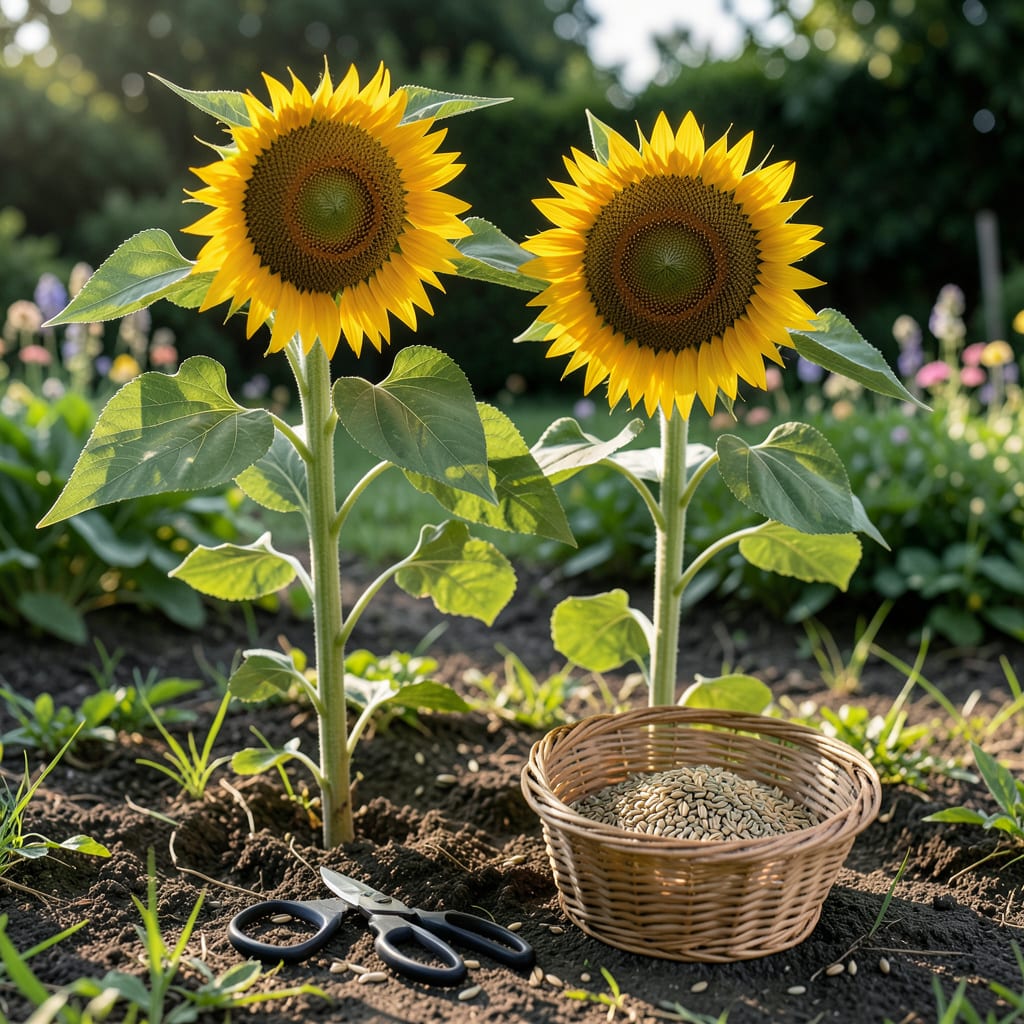
Timing your sunflower harvest perfectly can be tricky, but there’s one foolproof sign to watch for. The 🌻 Sunflower head’s back color tells you everything you need to know.
I’ll show you how to spot this change and other key indicators that your blooms are ready. This simple method ensures you pick at peak maturity every time.


I always watch the back of the head first when checking if my sunflowers are ready. This part changes from green to yellow or brown as seeds mature, giving the clearest signal.
The color change method beats petal-based approaches because it directly reflects seed development inside. I’ve found this more reliable than watching petals wilt.
| Stage | Indicator |
| Early Maturity | Back green with slight yellowing |
| Peak Maturity | Yellow to brown back color |
| Over Maturity | Back fully brown and dry |
The maturation process starts with the outer seeds ripening first, then moves inward. I check the center seeds last since they mature more slowly.
For giant sunflowers, the color change may take 2-3 weeks. Smaller varieties often ripen faster, so I monitor them more frequently.
I use a magnifying glass to inspect the seed heads closely. The plump seeds should feel firm and start loosening from the head.
If the back is still green, I wait another 5-7 days before checking again. Patience here prevents harvesting immature seeds that won’t germinate.
When the back turns yellow, I know it’s almost time. A brown back signals the seeds are fully ripe and ready for harvesting.
I’ve noticed that morning observations work best because the seed heads are less affected by daytime heat. This helps me make more accurate assessments.
This color change method has never failed me. It’s the most reliable way to ensure perfectly timed sunflower harvests every season ☀️
While the back of head color is my go-to indicator, I also look for other reliable signs to confirm harvest readiness. These extra checks help ensure I don’t miss the perfect window.
The seed firmness is a great secondary indicator. When I press a seed and it feels plump and solid, I know the harvest is near. Soft seeds usually mean they need more time.
Another clear sign is petal wilting. When most of the bright yellow petals have dried up or fallen off, the seeds are likely ready. I’ve noticed this often happens just as the back color changes.
Bird activity can be a helpful clue too. When I see more birds gathering around my sunflowers, it usually means the seeds are ripening. I take this as my cue to check the other indicators.
The stem condition also provides valuable information. As the seeds mature, the main stem often turns from green to brown and dry. This change, combined with the others, confirms it’s time to harvest.
I always combine at least two or three of these signs with the back color method for the most accurate timing. This multi-point verification ensures I never harvest my sunflowers too early or too late 🌻
I’ve learned the hard way that mistiming your harvest can ruin weeks of growth. The most common error is picking too early when the back is still green. This results in immature seeds that won’t germinate.
Harvesting too late is another pitfall. If you wait until the back is completely brown and dry, the seeds may have already started sprouting prematurely or been eaten by wildlife.
Avoid cutting sunflowers with green backs or when seeds feel soft. These are clear signs they’re not ready for harvest.
Improper cutting techniques can also cause problems. I always use clean, sharp shears and cut the stem about 12 inches below the head to avoid damaging the seeds.
Storage errors often ruin a good harvest. I
Finally, I never leave harvested heads in the garden too long. Even partially dry heads can attract pests and birds. I bring them indoors as soon as I cut them to protect my hard-earned seeds 🌻
Press a seed with your fingernail. Ready seeds feel firm and plump, while unripe ones feel soft or hollow. The outer seeds mature first, so check those before the center ones.
Overripe seeds may start sprouting prematurely or get eaten by birds. The head might also fall over or drop seeds naturally. Harvest when the back turns yellow-brown for best results.
Wait until most petals have dried and fallen. This typically coincides with the back color change to yellow or brown. Falling petals are a secondary confirmation sign.
Gently lift the head or tilt it to view the back. Use a small mirror if needed. Check in morning light for the most accurate color assessment.
