
Beautiful Plants For Your Interior
Beautiful Plants For Your Interior
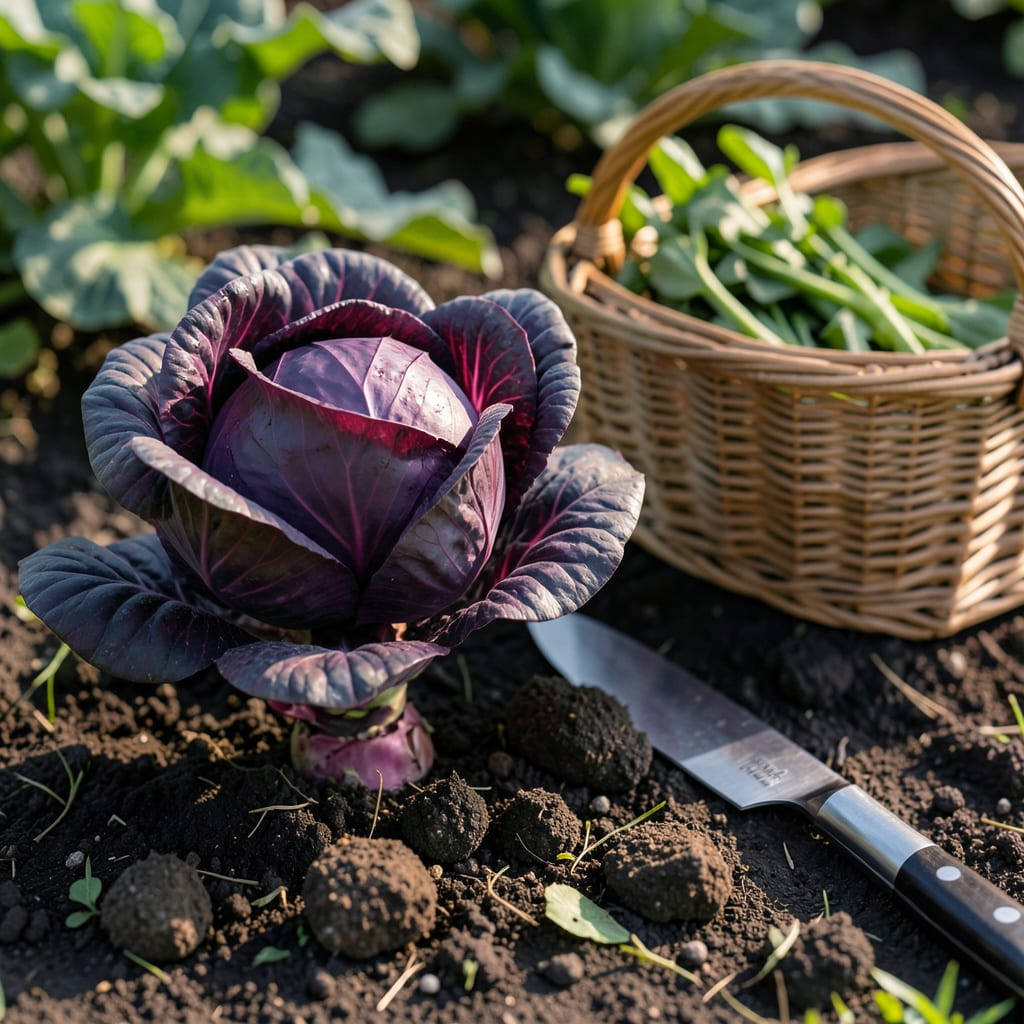
Timing your Red Cabbage harvest can mean the difference between a crisp, flavorful crop and a disappointing one. 🥬 I’ve learned the hard way that waiting for the perfect moment is the key to success.
With just a few simple checks for size and firmness, you’ll know exactly when to pick. Let me show you how to get it right every time.


I’ve found that red cabbage gives clear signals when it’s ready to pick. The first thing I look for is head size—most varieties reach 7-12 inches in diameter at maturity. Anything smaller usually means it needs more time to develop its full flavor and texture.
Next, I check the color depth. A mature red cabbage should have a rich, deep purple-red hue all over the head. Pale or uneven coloring often indicates it’s not quite ready for harvest.
| Sign | What to Look For |
|---|---|
| Head Size | 7-12 inches in diameter |
| Firmness | Solid and dense when squeezed |
| Color | Deep red-purple all over |
| Leaf Tightness | Leaves packed tightly together |
The firmness test is my go-to method for confirming readiness. I gently squeeze the head—if it feels hard and solid, like a ripe melon, it’s ready. A soft or loose head means it needs more time in the garden.
I also pay close attention to the leaf tightness. Mature red cabbage has leaves so tightly packed that you can barely see the stem. If the leaves are still loose or spreading, the cabbage isn’t ready yet.
Another tip I swear by: check the base of the head. If the outer leaves are starting to yellow or wilt, it might be a sign of overmaturity. However, a few outer leaves yellowing is normal as long as the inner head is firm.
I’ve noticed that seasonal timing plays a role too. Most red cabbage varieties take 85-100 days to mature from transplanting. If you started seeds indoors, add about 6-8 weeks to that timeline.
For the best flavor, I harvest in the cool morning hours. This helps the cabbage retain its crispness and sweetness. Avoid harvesting after heavy rain, as the excess water can dilute the flavor and make the heads less firm.
If you’re growing multiple red cabbage plants, stagger your harvests. This way, you can enjoy fresh cabbage over several weeks instead of all at once. Just pick the mature heads first and leave the others to continue growing.
Finally, I always use a sharp knife to cut the head cleanly at the base. This prevents damage to the plant and reduces the risk of disease. Leave a few outer leaves intact to protect the head during storage.
With these signs in mind, you’ll never miss the perfect harvest window again. 🌱
I always start with the squeeze test to confirm my red cabbage is ready. Gently press the head with both hands—it should feel solid and dense, like a firm basketball.
A soft or spongy feel means it needs more time. I also check the base of the head, where the leaves meet the stem, for any signs of looseness or gaps.
The leaf tightness is another great indicator. If the outer leaves are tightly wrapped and you can’t easily pull them apart, the cabbage is likely ready. Loose leaves often mean it’s still growing.
I avoid harvesting after heavy rain or in the early morning when dew is present. Excess moisture can make the head feel softer than it actually is, leading to premature picking.
For the most accurate test, I check multiple heads if I have several plants. This helps me compare and confirm that they’ve all reached the same stage of maturity.
If I’m still unsure, I’ll wait 2-3 more days and test again. Red cabbage can go from perfect to overmature quickly, so it’s better to be patient and sure. ✂️
Waiting too long to pick your red cabbage can lead to several problems. The heads may split open, which invites pests and reduces storage life. I’ve seen this happen when cabbage stays in the ground past its prime.
Overmature red cabbage also tends to develop a bitter flavor and tougher texture. The leaves lose their crispness, and the head becomes less appealing for fresh use. This is why timing your harvest is so important.
⚠️ Warning: Delaying harvest can lead to split heads, pest damage, and reduced flavor quality. Check daily once cabbage nears maturity.
Pests love overripe cabbage too. Cabbage worms and aphids are more likely to attack as the plant weakens. I’ve had to discard entire heads because I waited just a few days too long.
If you notice your red cabbage is past its prime, don’t despair. You can still salvage it by harvesting immediately and using it right away. While it may not store as well, it’s often fine for immediate cooking or preserving.
To prevent overmaturity, I recommend checking your plants every 2-3 days once they approach the expected harvest time. This way, you’ll catch them at their peak and avoid these common issues. 🌱
Most varieties are ready at 7-12 inches in diameter. Smaller heads typically need more time to develop full flavor and texture.
A deep, uniform purple-red hue signals maturity. Pale or uneven coloring means it should stay in the ground a bit longer.
Yes, overmature heads may split open or develop bitter flavor. Check daily once it nears readiness to avoid this.
Cool morning hours are ideal. This preserves crispness and sweetness. Avoid harvesting after rain or heavy dew.
