
Beautiful Plants For Your Interior
Beautiful Plants For Your Interior
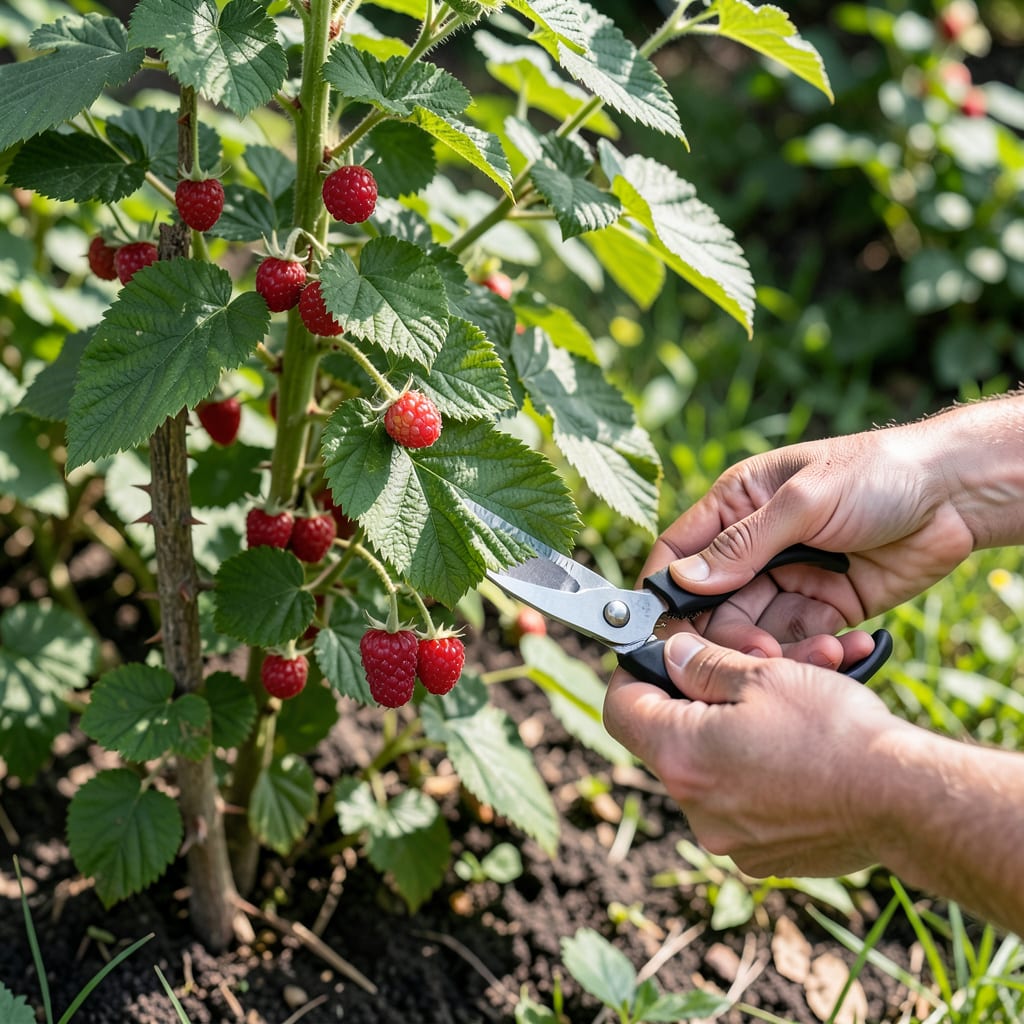
Timing is everything when it comes to gathering 🍇 Raspberry leaves for the best flavor and benefits. I learned this the hard way after picking at the wrong stage.
Harvest during late spring to early summer when leaves are vibrant and firm. I’ll show you the key signs to look for so you never miss the perfect window.


I always wait for late spring to early summer when my raspberry plants are at their peak. The leaves tell a story—vibrant, firm, and fully unfurled means they’re ready.
Look for a bright green color and a crisp texture. If they pluck easily from the stem, that’s your green light to start harvesting.
| Sign | Description |
|---|---|
| Vibrant green | Leaves are rich in color |
| Firm texture | Crisp to the touch |
| Fully unfurled | No curling or wilting |
| Easily plucks | Clean separation from stem |
Avoid pale or yellowish leaves—they’re past their prime. Small, curled leaves aren’t ready, as they lack the potency you’re after.
Check your raspberry canes in May or June, depending on your USDA zone. In zones 5-9, this is typically the sweet spot for harvesting.
Weather matters too. Harvest on a dry, sunny morning after the dew has evaporated. Wet leaves can lead to mold or reduced quality.
I’ve found that young leaves at the top of the cane are often the most tender and flavorful. Older leaves lower down may be tougher.
Don’t over-pick from a single plant. I limit myself to 1/3 of the leaves per cane to avoid stressing the plant and ensure it stays healthy.
If you see new growth emerging, that’s a good sign the plant is in its active phase. This is the ideal time to harvest for the best results.
Finally, always use clean, sharp scissors or your fingers to gently pinch the leaves off. This minimizes damage to the plant and keeps it thriving for future harvests.
🌿I’ve found the best time of day to harvest raspberry leaves is in the early morning after the dew has dried. This ensures the leaves are crisp and free of excess moisture.
The optimal seasonal window is from late spring to early summer, typically May through June in most growing zones. This is when the leaves are at their peak flavor and potency.
If you’re in a cooler climate, the window might shift slightly later. I always check my local frost dates and adjust accordingly to avoid harvesting too early or late.
For the best results, focus on the younger leaves at the top of the canes. These are more tender and packed with flavor compared to older, tougher leaves lower down.
Never harvest after heavy rain or when leaves are wet. This can dilute the natural oils and increase the risk of mold during drying or storage.
I also recommend rotating harvests among different canes. This prevents over-picking from a single plant and keeps your raspberry patch productive all season long.
🌿I’ve made my share of harvesting errors with raspberry leaves, and I want to help you avoid them. Picking too early or late can ruin the quality of your harvest.
One big mistake is harvesting wet leaves. Always wait for a dry morning to avoid mold or dilution of essential oils.
Harvesting at the wrong time or in poor conditions can harm your plant and reduce leaf quality. Watch out for these common missteps.
Another issue is ignoring plant health. If your raspberry canes look stressed or diseased, hold off on harvesting until they recover.
Using contaminated tools is a no-no. I always clean my pruning shears with rubbing alcohol before and after use to prevent disease spread.
Lastly, don’t harvest from newly planted canes. Give them a full season to establish before taking leaves. This ensures a strong, healthy plant for years to come. 🌿
Harvest in the early morning after dew evaporates. This ensures leaves are dry and at peak freshness.
Look for vibrant green color, firm texture, and easy separation from the stem. Avoid pale or curled leaves.
No, wet leaves risk mold and diluted oils. Always wait for a dry, sunny day for the best quality.
Limit harvests to 1/3 of the leaves per cane to avoid stressing the plant and ensure continued growth.
