
Beautiful Plants For Your Interior
Beautiful Plants For Your Interior
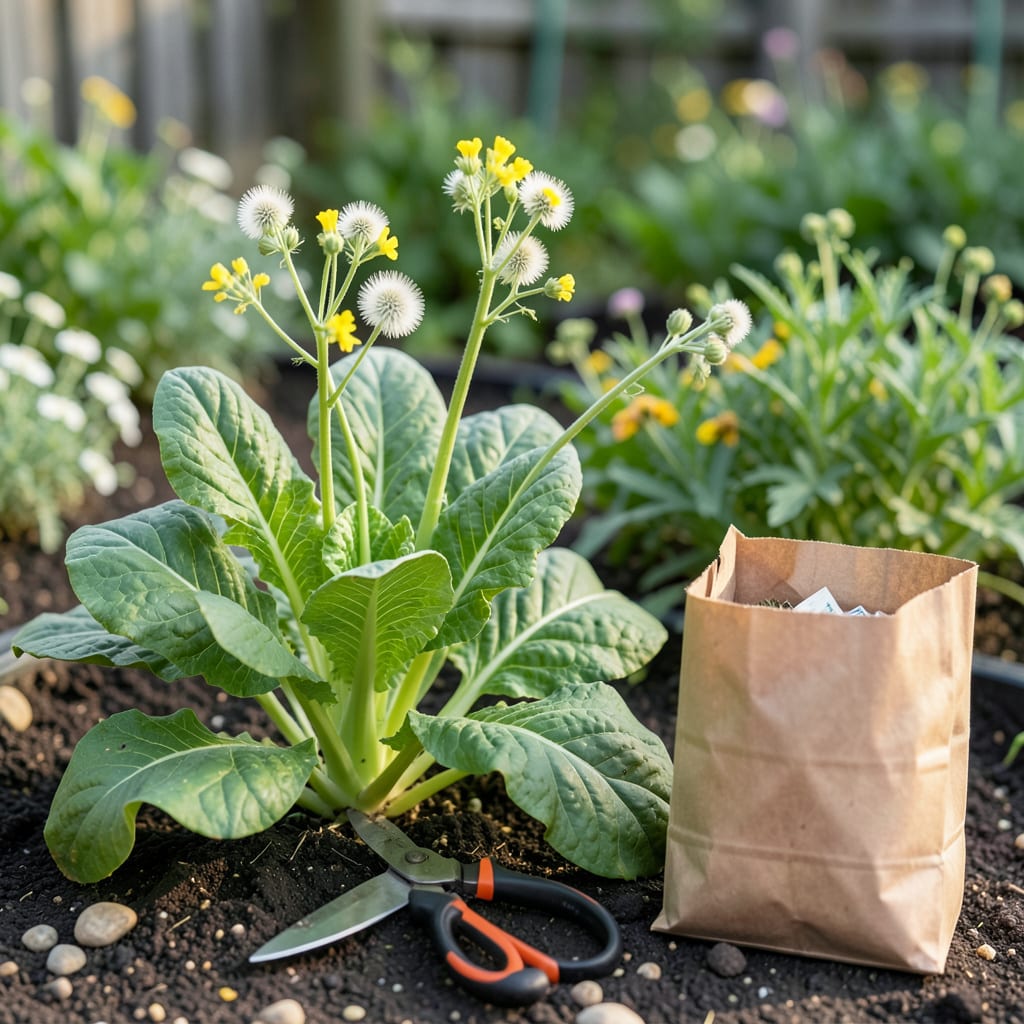
Timing is everything when it comes to collecting seeds from your 🥬 Lettuce plants. Wait too long, and you risk losing them to the wind. Harvest too early, and they won’t be viable for next season’s crop.
I’ll show you the key visual cues and seasonal timing to get it just right. Whether you’re a beginner or seasoned gardener, these tips will ensure your seed harvest is a success.


I always watch for dry seed heads as the first sign. Lettuce plants send up flower stalks that develop into puffy seed heads, and when these turn brown or tan, it’s a clear indicator.
Another key signal is the appearance of white fluff at the top of the seed head. This fluff helps the seeds disperse naturally, but for collection, it means they’re fully mature and ready.
| Sign | Description |
|---|---|
| Color Change | Seed heads turn brown or tan |
| Fluff Appearance | White fluff visible at seed head top |
| Seed Release | Seeds easily dislodge when rubbed |
| Stem Color | Stem below head turns yellow or brown |
I check the seed head stem too. When it starts yellowing or browning, it’s another confirmation that the seeds are mature. This usually happens 2-4 weeks after flowering.
The ease of seed removal is a practical test. Gently rub the seed head between your fingers—if seeds fall out freely, they’re ready. If they resist, they need more drying time.
For leaf lettuce varieties, the process is similar, but the seed heads may be smaller. I still look for the same color changes and fluff development as with head lettuce.
Weather conditions play a role too. Dry, sunny days help the seed heads mature faster. If it’s been rainy, I wait for a dry spell to ensure the seeds are fully ready.
I avoid harvesting when the seed heads are green. This means the seeds are immature and won’t germinate well. Patience is key for high-quality seeds.
Once the seeds are ready, I harvest them early in the morning when the air is dry. This prevents moisture from causing mold or clumping during storage.
After collection, I spread the seeds on a paper towel to dry for a few days. This ensures they’re completely moisture-free before storing in a cool, dry place.
By following these visual cues and timing tips, I’ve consistently collected viable lettuce seeds for my next planting season 🌱
Timing your lettuce seed harvest depends on the variety. For leaf lettuce, I start checking seed heads about 60 days after planting. Head varieties often take a bit longer.
Seasonal conditions affect maturation too. In warmer climates, seeds may mature faster. Cooler areas might require an extra 1-2 weeks of patience.
I’ve found that morning harvesting works best for all types. The dry air helps prevent moisture issues. For fall-planted lettuce, I watch for seed heads before the first frost hits.
Weather impacts seed timing significantly. A dry spell can speed up maturation, while rainy periods may delay it. I always adjust my schedule based on the forecast.
For succession planting, I stagger my lettuce crops. This ensures a continuous seed supply throughout the growing season. It’s a great way to maximize your seed harvest.
Remember, patience pays off. Rushing the process often results in immature seeds that won’t germinate. I wait until all the visual signs align before harvesting 🌱
I’ve learned the hard way that harvesting too early is a common mistake. If you collect green seed heads, the seeds won’t be fully mature and may not germinate.
Another pitfall is not drying seeds properly. Skipping this step can lead to mold growth during storage, ruining your entire harvest.
Harvesting Green Heads: Seeds won’t be viable if collected before maturity.
Skipping Drying: Always dry seeds for 3-5 days before storage to prevent mold.
Using Wet Tools: Harvest with clean, dry hands or tools to avoid contamination.
I also avoid harvesting on rainy days. Moisture can cause seeds to clump or develop mold, which reduces their viability for next season.
Storing seeds in plastic bags is another mistake. I use paper envelopes or glass jars in a cool, dry place to keep them fresh.
Lastly, I never rush the process. Patience ensures quality, and waiting for all the visual signs means better germination rates next season 🌱
Look for brown or tan seed heads with visible white fluff at the top. Gently rub the head—if seeds fall out freely, they’re ready to collect
Yes, early morning is ideal. The air is driest, which prevents moisture from causing mold or clumping during storage
Typically 2-4 weeks after flowering, depending on weather and variety. Cooler climates may need an extra 1-2 weeks
Use paper envelopes or glass jars in a cool, dry place. Avoid plastic bags to prevent moisture buildup
