
Beautiful Plants For Your Interior
Beautiful Plants For Your Interior
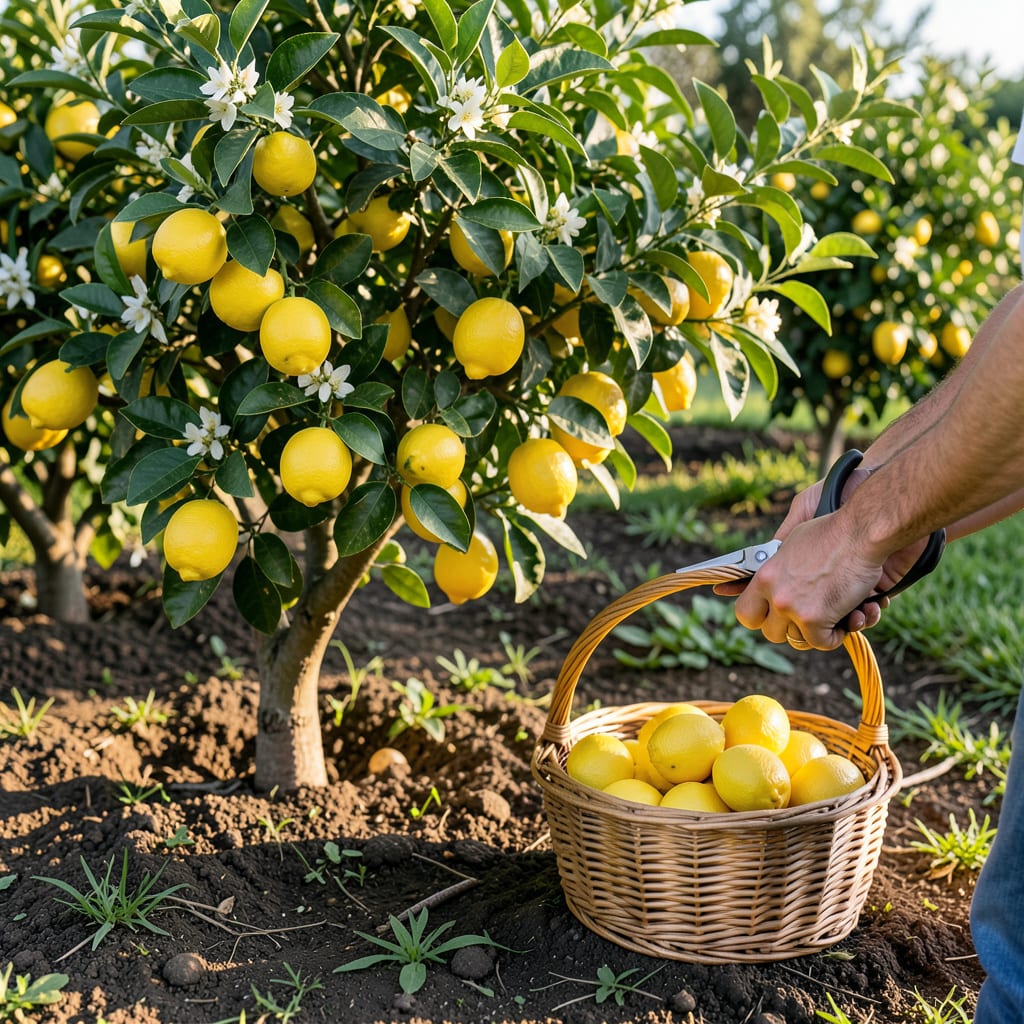
Picking lemons at just the right moment makes all the difference between tart disappointment and bursting citrus perfection. The 🍋 Lemon tree doesn’t always shout when its fruit is ready, so you’ll need to look for subtle clues.
I’ll show you exactly what to watch for—from color shifts to texture changes—that signal your lemons are at their juicy peak. No more guessing games in your garden.


Timing is everything when it comes to harvesting lemons. Many gardeners assume a fully yellow color means the fruit is ready, but that’s not always the case. I’ve learned that Eureka lemons often ripen year-round, while Meyer lemons peak in winter. 🌿
The first clue is color transition. While most lemons turn bright yellow, some varieties like Sicily lemons may stay slightly green. Don’t let color fool you—texture matters more. A ripe lemon feels heavy for its size and yields slightly to gentle pressure. ☀️
| Sign | Description |
|---|---|
| Color | Fully yellow or yellow-green |
| Texture | Slightly soft when squeezed |
| Weight | Feels heavy for its size |
| Skin | Glossy and smooth |
| Scent | Strong citrus aroma |
Climate affects ripening more than you might think. In warmer zones like USDA 9-11, lemons can ripen year-round. Cooler areas often see peak ripeness in late summer or early fall. I always check the weather forecast before harvesting. 🌱
Size matters too. Most lemons reach 2-3 inches in diameter when ripe. If they’re still small, they need more time. For Meyer lemons, which are sweeter, I wait until they’re slightly larger and have a thinner skin.
Another trick is the twist test. Gently twist the lemon—if it comes off easily, it’s ready. If it resists, leave it for another week or two. I’ve found this method works better than pulling, which can damage the tree.
For commercial growers, timing is critical for market readiness. But for home gardeners, the best indicator is flavor. If you’re unsure, harvest one and taste it. If it’s too tart, the others likely need more time. 🌿
Morning harvesting is ideal. The fruit is at its juiciest after a cool night. I avoid picking in the heat of the day, as the lemons can be less flavorful and the tree more stressed.
Finally, don’t forget about the tree’s health. A well-fed lemon tree with balanced fertilizer produces better fruit. I fertilize mine every 4-6 weeks during the growing season to ensure peak ripeness.
By paying attention to these subtle signs, you’ll never pick an unripe lemon again. Happy harvesting! 🪴
Even experienced gardeners make harvesting mistakes with lemons. The most common error is picking too early when the fruit is still green. I’ve learned that patience pays off—lemons often need more time than you think. 🌱
Another mistake is ignoring weather. Harvesting during rainy periods can lead to waterlogged fruit. I always check the forecast and pick on dry, sunny days for the best results.
⚠️ Avoid These Harvesting Pitfalls
Using the wrong tools can harm both the fruit and tree. I recommend sharp pruners for clean cuts. Avoid pulling lemons off by hand, as this can tear the bark or branches. ✂️
Timing of day matters too. Early morning is best when the fruit is freshest. I avoid afternoon harvesting when the heat can stress the tree and reduce juice content.
Don’t forget to inspect the tree before harvesting. Look for signs of pests or disease. If I spot any issues, I address them first to avoid spreading problems during picking.
Finally, storage matters after harvest. I keep lemons in a cool, dry place away from direct sunlight. This preserves their freshness and flavor for weeks. 🌿
You don’t need to pluck a lemon to check if it’s ready. I rely on the squeeze test first—gently press the fruit. A ripe lemon gives slightly under pressure but remains firm overall. 🌿
The weight test is another reliable method. A ripe lemon feels heavy for its size, indicating it’s full of juice. Compare it to an unripe one, and you’ll notice the difference immediately. ☀️
🌱 Ripeness Checks Without Picking
Use the scent test next. A ripe lemon emits a strong citrus aroma. If it smells faint, it’s not ready. I often sniff the fruit near the stem for the most accurate reading. 🌱
For the visual inspection, look for a glossy skin and uniform color. Some varieties like Meyer lemons may stay green-tinted, but the sheen is a dead giveaway. Dull or rough skin means it needs more time.
If you’re still unsure, test one lemon from the tree. Cut it open and check the juice content and flavor. If it’s tart and dry, the rest need more time. This method ensures you don’t harvest the whole crop prematurely.
Most varieties turn fully yellow, but some like Meyers may stay yellow-green. Look for even color without green patches. The skin should appear glossy and smooth when ready.
A ripe lemon feels heavy for its size and gives slightly when gently squeezed. Compare its weight to an unripe one—the difference is noticeable. The scent should also be strong and citrusy.
Yes! Pick in the early morning after a cool night for maximum juice and sweetness. Avoid afternoon harvesting when heat can make fruit less flavorful and stress the tree.
Yes, overripe lemons may become dry or pithy. They can also drop off the tree. Check weekly once most turn yellow. Twist gently—if it resists, wait another week.
