
Beautiful Plants For Your Interior
Beautiful Plants For Your Interior
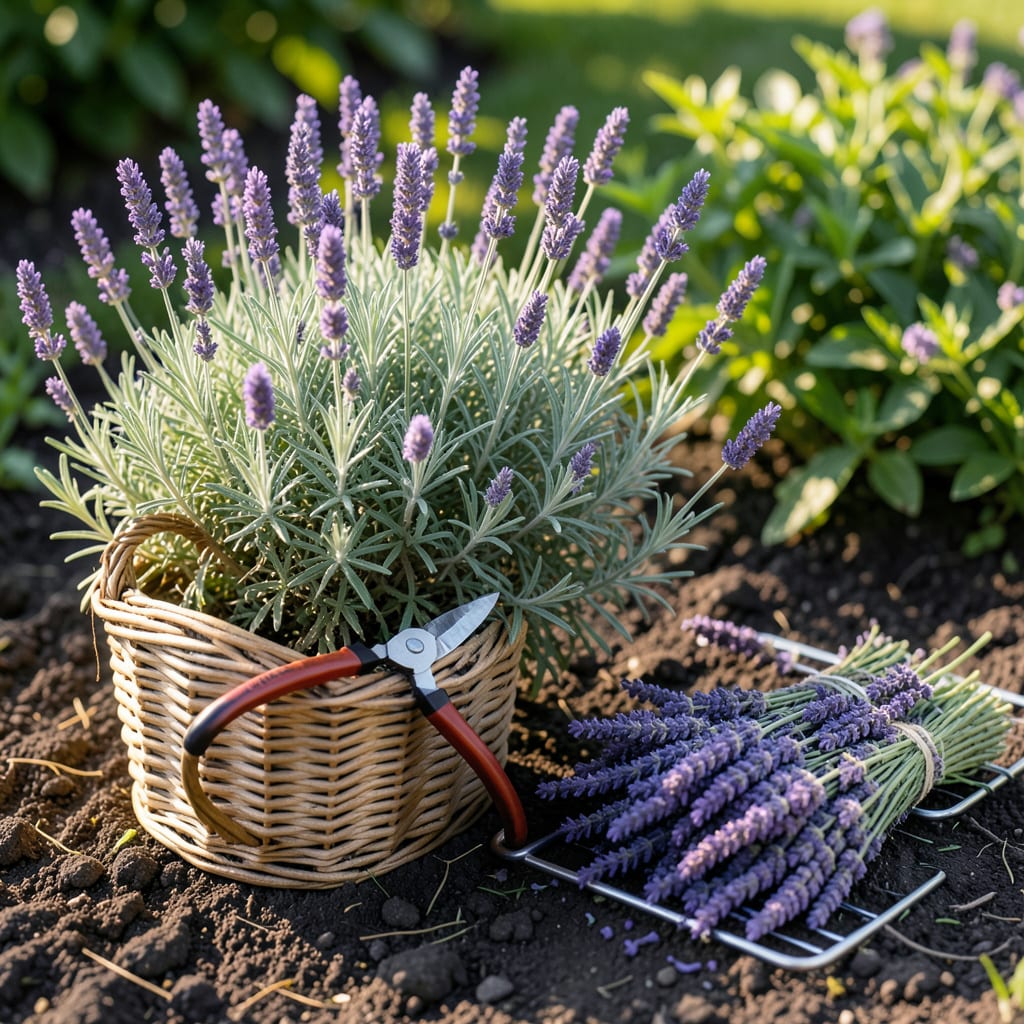
There’s nothing worse than cutting lavender too early or too late and losing that perfect fragrance. Timing is everything when it comes to drying this beloved herb.
I’ve learned the hard way that watching for those first open buds on the 🟣 Lavender stems makes all the difference. Let me show you how to get it right every time.


Getting the timing right for lavender harvesting is crucial to preserving its vibrant color and potent fragrance. I always check for the first signs of open buds on the stems. 🌿
This stage ensures the highest oil content and best drying results. Harvest too early, and the buds won’t open fully. Harvest too late, and the flowers may drop. ✂️
| Stage | Indicator |
|---|---|
| Ready to Harvest | Lower third of buds open |
| Peak Fragrance | Vibrant color and strong scent |
| Stem Condition | Firm and woody at the base |
The ideal harvest window is when the lower third of the flower buds have opened. This is when the essential oils are at their peak. 🌻
I also look for vibrant color and a strong fragrance. These are clear signs that the lavender is ready for drying and will retain its quality.
Timing during the day matters too. I always harvest in the morning after the dew has dried but before the heat of the day sets in. This helps preserve the oils.
The seasonal timing varies by variety, but most lavender is ready between June and August. Check your specific type for the best results.
If the stems are still green and soft, the lavender isn’t ready. Wait until they’re partially woody for the best drying outcomes. 🌷
Another key indicator is the aroma strength. If the scent is weak or absent, the lavender needs more time to mature on the plant.
For English lavender, the window is often earlier in the season, while French or Spanish varieties may need a bit more time. Always adjust based on your climate and local conditions.
By focusing on these key signs—bud stage, color, stem condition, and fragrance—you’ll ensure your lavender is perfect for drying every time. 🌿
Once you’ve spotted the perfect harvest signs, it’s time to gather your lavender carefully. I always use sharp pruners or scissors for clean cuts that won’t damage the plant. 🌿
Cut the stems just above a set of leaves or branch point, leaving some foliage to help the plant recover. This encourages new growth for next season.
I recommend harvesting in small batches to avoid overwhelming your drying space. This also lets you process the lavender quickly while it’s fresh. ☀️
After cutting, gently shake off any insects and check for diseased stems. Only the healthiest lavender will produce the best dried results.
For drying, I prefer the hanging method. Bundle stems together and hang them upside down in a dark, dry, well-ventilated area. This preserves color and fragrance beautifully.
Even experienced gardeners can make critical errors when harvesting lavender for drying. I’ve learned that timing isn’t just about the plant—it’s also about the weather conditions and handling techniques. 🌿
One of the biggest mistakes is harvesting during or right after rain. Wet lavender can develop mold during drying, ruining your entire batch. Always wait for dry weather and dry stems. ✂️
Harvesting in rain: Leads to moldy, unusable lavender.
Cutting too low: Damages the plant and reduces regrowth.
Delaying processing: Causes wilting and loss of fragrance.
Another common mistake is cutting too low on the stem. This can damage the plant and reduce its ability to regrow next season. Always leave at least 1/3 of the stem with foliage intact. 🌻
I’ve also seen gardeners delay processing after harvesting. Lavender starts to wilt quickly, so it’s essential to bundle and hang it immediately to preserve its quality and fragrance.
Ignoring variety-specific timing is another error. English lavender often matures earlier than French or Spanish types. Always research your specific variety’s ideal harvest window for the best results. 🌷
Harvest in the early morning after dew dries but before midday heat. This preserves the most essential oils and fragrance.
Look for lower third of buds opening, vibrant color, and strong scent. Stems should be partially woody at the base.
Never harvest wet lavender. Wait for completely dry stems to prevent mold during drying. Always check weather forecasts first.
English lavender matures earlier (often June) while French/Spanish types may need until July-August. Adjust for your climate too.
