
Beautiful Plants For Your Interior
Beautiful Plants For Your Interior
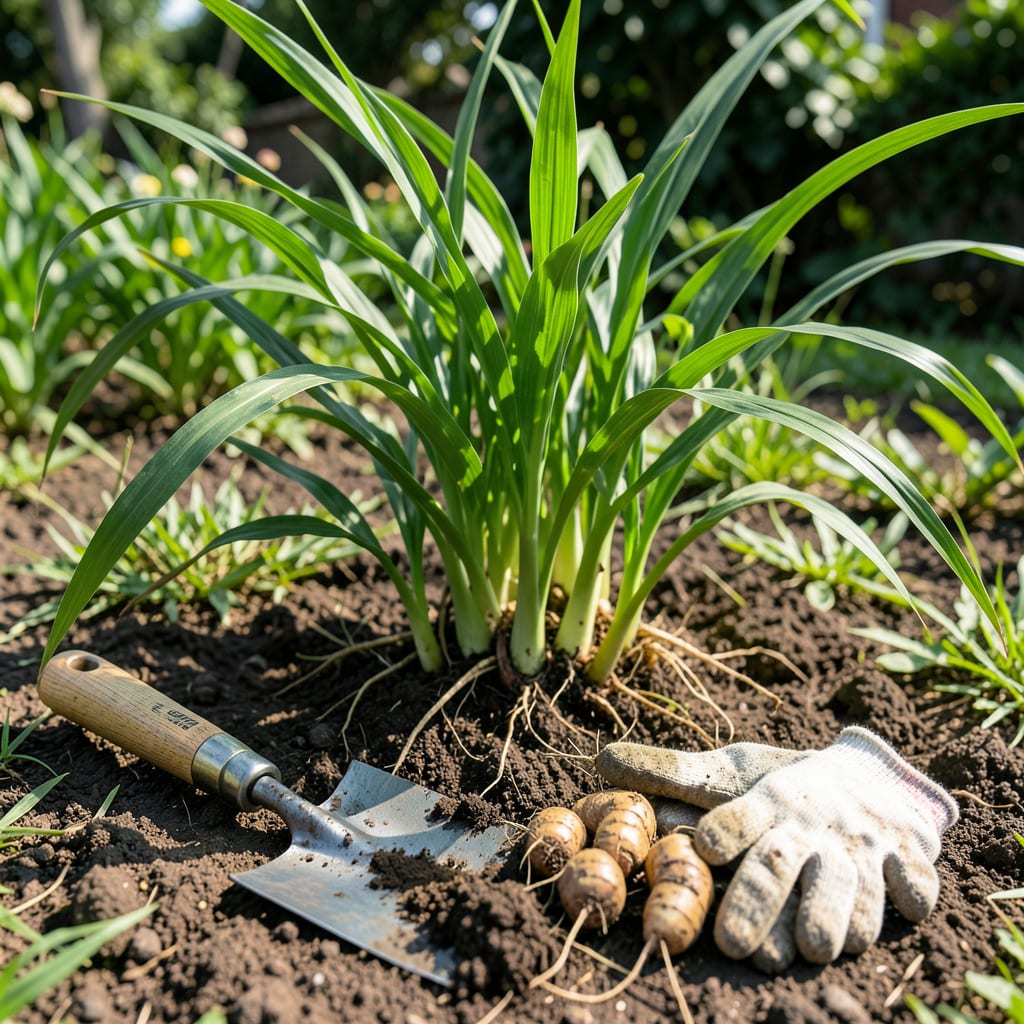
Timing is everything when it comes to picking 🌱 Ginger. Pull those rhizomes too soon, and you’ll end up with small, flavorless roots.
Wait for the perfect moment, though, and you’ll harvest plump, aromatic ginger that transforms your cooking. Here’s how to know it’s ready.


I’ve found that ginger plants give clear signals when their rhizomes are ready for picking. The most obvious sign is yellowing leaves, which indicates the plant is maturing and redirecting energy to its underground storage. 🌱
Another telltale sign is when the stems begin to dry and wither. This typically happens 8-10 months after planting, depending on your climate. The rhizomes beneath the soil will be at their plumpest and most flavorful at this stage.
| Visual Sign | What It Means | Harvest Stage |
|---|---|---|
| Leaves turn yellow | Plant is maturing | Ready |
| Stems start to wilt | Energy shifting to rhizomes | Ready |
| Rhizomes feel plump | Optimal size and flavor | Ready |
| Skin is tight | Fresh and firm texture | Ready |
| Leaves stay green | Still growing actively | Not Ready |
I always check the soil level for subtle clues. When you notice the rhizomes bulging just beneath the surface, it’s a good sign they’re approaching harvest size. Gently brush away some soil to inspect without disturbing the roots too much. 🌿
For the best flavor development, I recommend waiting until at least 4 months after planting. However, if you’re in a cooler climate, you might need to dig up your ginger before the first frost to prevent damage to the rhizomes.
Remember that young ginger (harvested at 4-5 months) has a milder taste and thinner skin, while mature ginger (8-10 months) develops that bold, spicy kick we all love. The choice depends on your preference.
Another pro tip: Morning harvesting is ideal. The plants are most hydrated then, making it easier to dig and reducing stress on both you and the plant. Use a hand fork or trowel to carefully lift the rhizomes from the soil. ✂️
If you’re unsure, try harvesting just one rhizome first. This lets you check the size and flavor while allowing the rest of the plant to continue growing. I do this regularly to ensure I’m picking at the perfect moment.
Finally, pay attention to your local growing conditions. In tropical zones, ginger can stay in the ground longer, while in temperate areas, you’ll want to harvest before temperatures drop below 50°F. This timing ensures the best quality rhizomes.
I always plan my ginger harvest around the growing zone and seasonal changes. In USDA zones 9-12, you can leave ginger in the ground year-round, but I find the best flavor comes after 8-10 months of growth. 🌱
For cooler climates (zones 8 and below), it’s crucial to dig up your ginger before the first frost. I aim to harvest my ginger by late September or early October to avoid cold damage to the rhizomes. ☀️
✅ Harvest Timeline by Region
I’ve noticed that spring-planted ginger in temperate areas often reaches peak maturity by late summer. The rhizomes are typically ready when the foliage starts dying back, usually in September. 🌿
If you’re growing ginger in containers, you have more flexibility. I move my pots indoors when temperatures drop below 50°F at night and harvest as needed throughout the winter. This method lets me enjoy fresh ginger for months.
For those in warmer zones, you can practice staggered planting. I plant new rhizomes every 2-3 months to ensure a continuous supply. This way, I always have ginger at the perfect harvest stage.
Remember that soil temperature matters too. Ginger prefers 70-80°F soil for optimal growth. In cooler areas, I use black plastic mulch to warm the soil and extend the growing season.
I love using selective harvesting to keep my ginger plants producing year after year. This method lets me enjoy fresh rhizomes while allowing the plant to continue growing and spreading. 🌱
To start, I locate a mature rhizome by feeling for plump sections near the soil surface. Using a clean, sharp knife or my hands, I carefully separate a portion from the main clump without disturbing the roots too much.
💡 Pro Tip: Selective Harvesting
Cut only 1-2 rhizomes per plant at a time. Leave the rest to regrow for future harvests. Always use sterilized tools to prevent disease.
After removing the rhizome, I
For container-grown ginger, I use the same approach but take extra care not to damage the limited root space. I also ensure the pot has good drainage to prevent rot after harvesting part of the plant.
With proper selective harvesting, my ginger plants often produce for 2-3 years before needing replacement. This method saves money and ensures I always have fresh, homegrown ginger on hand. 🌿
Ginger typically reaches maturity in 8-10 months when grown in warm climates. For cooler areas, aim for at least 4-5 months for younger, milder rhizomes. The exact timing depends on your growing conditions and desired flavor intensity.
Yes, you can dig up ginger as early as 4 months for a milder taste and thinner skin. However, the rhizomes will be smaller and less pungent than fully mature ones. This works well if you prefer a subtler ginger flavor.
Over-mature ginger may develop a tougher skin and stronger, sometimes bitter flavor. In cold climates, leaving it too long risks frost damage to the rhizomes. Harvest before the first frost or when most leaves have yellowed.
Carefully remove 1-2 rhizomes at a time, leaving the rest to continue growing. Use clean tools and minimize root disturbance. This selective method lets you enjoy fresh ginger while keeping the plant alive for future harvests.
