
Beautiful Plants For Your Interior
Beautiful Plants For Your Interior
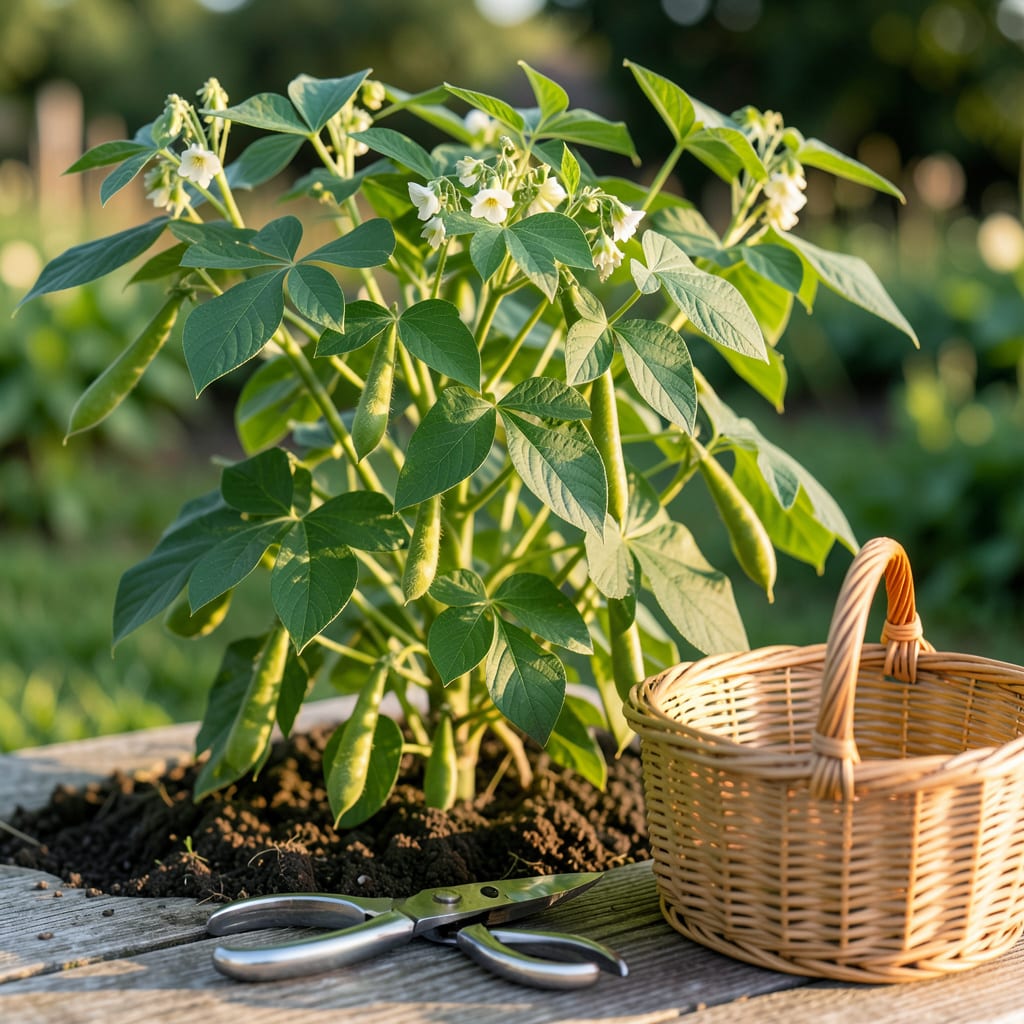
Nothing beats the taste of fresh 🫛 Edamame picked at just the right moment. Those bright green pods hold a secret – timing is everything for the best flavor and texture.
I’ll show you how to spot the perfect harvest window, from pod size to color changes. Discover the simple signs that mean your Edamame is ready to pick and enjoy.


I always watch for bright green pods that are plump and fully formed on my edamame plants. These are the first clues that harvest time is near. The pods should look swollen with visible bean outlines inside.
The ideal size is 3 to 5 inches long, though some varieties may be slightly smaller. At this stage, the beans inside will be tender and sweet, perfect for picking. If the pods start turning dull green or yellow, they’re past their prime.
| Harvest Sign | What to Look For |
|---|---|
| Pod Size | 3-5 inches long and fully swollen |
| Pod Color | Bright green and vibrant, not dull |
| Bean Visibility | Beans visible through pod skin |
| Pod Texture | Firm but tender, snaps easily |
| Plant Condition | Lower leaves may start yellowing |
I check my plants daily once the first pods appear. The window for peak flavor is short, often just 3-5 days. If I wait too long, the beans become starchy and tough, losing that sweet snap.
Another trick I use is the squeeze test. Gently press a pod between your fingers—if it feels slightly soft with plump beans inside, it’s ready. Hard pods mean they’re overripe.
I also look at the stem connection. Ready pods should snap off easily with a gentle tug. If they resist, give them another day or two to mature.
The color change is subtle but important. Early in development, pods are pale green and flat. As they ripen, they turn vibrant green and fill out. Any yellowing means they’re past their prime.
For the best flavor, I harvest in the early morning when the pods are most hydrated. This is when they’ll be at their sweetest and most tender. Avoid picking after heavy rain, as this can dilute the flavor.
Remember that edamame varieties can differ slightly. Some may be ready at 2 inches, while others need 5 inches. Always check your seed packet for variety-specific guidelines.
Finally, I make it a habit to harvest frequently. Picking pods regularly encourages the plant to produce more, extending your harvest season. Don’t let overripe pods stay on the plant, as this signals the plant to stop producing 🌱
I’ve found that harvest timing varies significantly between early-maturing and late-maturing edamame varieties. Early types can be ready in as few as 60 days, while others may take up to 90 days to reach peak condition.
Your growing zone and climate conditions play a big role too. In warmer climates, edamame may mature 10-15 days faster than in cooler areas. I always adjust my expectations based on my local frost dates and seasonal temperatures ☀️
| Variety Type | Days to Harvest | Best For |
|---|---|---|
| Early-Maturing | 60-70 days | Short seasons |
| Mid-Season | 70-80 days | Most regions |
| Late-Maturing | 80-90 days | Longer seasons |
For my garden in Zone 6, I typically plant in late April and expect to harvest from July through August. The soil temperature needs to be at least 60°F for optimal growth and timely maturation.
I pay close attention to the weather forecast during the growing season. If we’re having a particularly hot summer, my edamame often matures a week or two earlier than the seed packet suggests.
Another factor I consider is plant spacing. Crowded plants may take longer to mature as they compete for resources. I give each plant 6-8 inches of space for the best results.
Remember that consistent watering is key to steady growth. Inconsistent moisture can lead to uneven maturation, making it harder to time your harvest perfectly 🌱
I see many gardeners make the same harvest timing errors with edamame. The most common is waiting too long until pods turn yellow or brown. By then, the beans inside are starchy and tough, far from ideal.
Another frequent mistake is picking too early. When pods are still flat and small, the beans haven’t developed their sweet flavor or creamy texture. Patience is key here.
Using the wrong tools can also cause problems. I always use sharp pruners or clean scissors to avoid tearing the stems. Pulling pods by hand can sometimes damage the plant if done too roughly.
I’ve learned to check pods daily once they start forming. The perfect harvest window is short, often just 3-5 days. Missing it means missing out on that peak sweetness.
Finally,
Check daily once pods start forming. The perfect window is short, often just 3-5 days. Missing it means losing peak sweetness.
Pods turn yellow or brown and beans become starchy and tough. Always harvest when pods are bright green and plump.
Morning is best when pods are most hydrated. Afternoon harvests work but may yield slightly less sweet beans.
No, early types may be ready in 60 days while late varieties take up to 90 days. Check your seed packet for specifics.
