
Beautiful Plants For Your Interior
Beautiful Plants For Your Interior
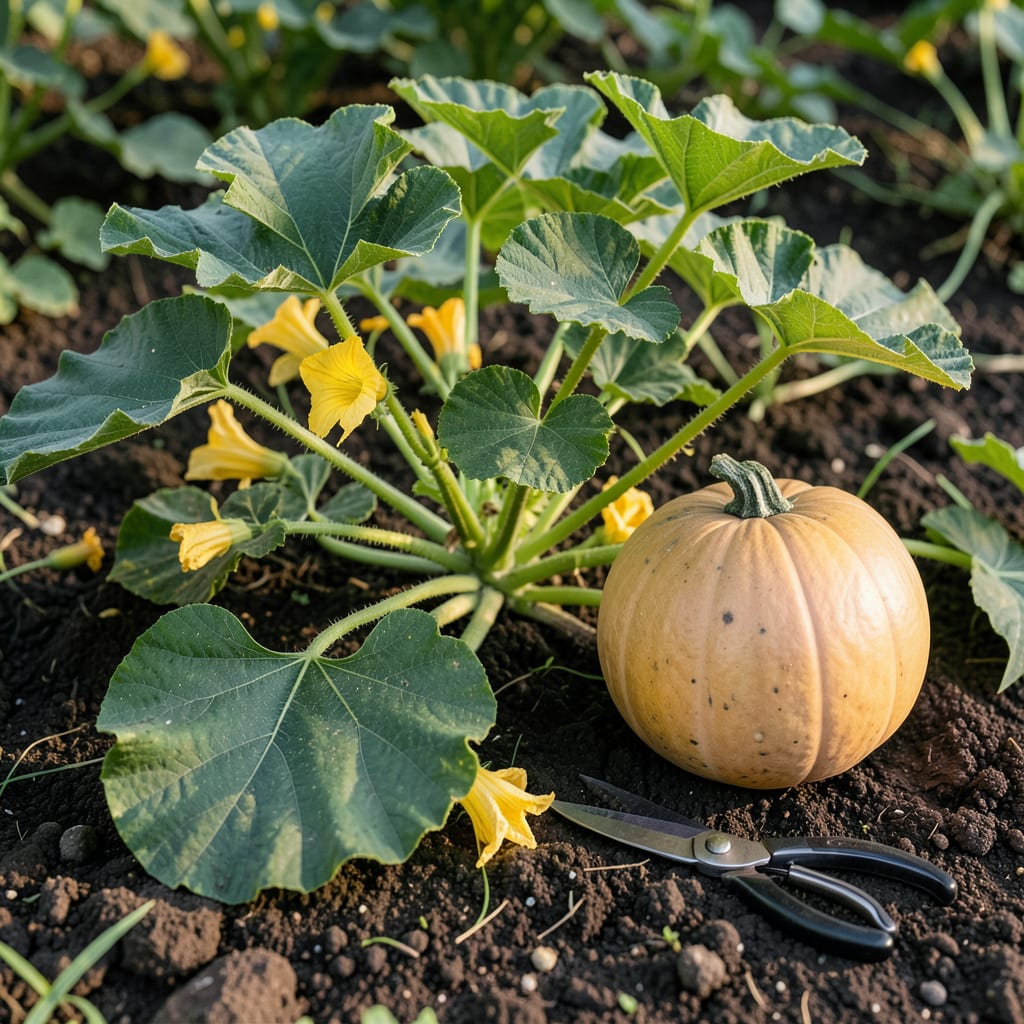
Timing your Butternut Squash harvest perfectly can make or break your harvest. Nature gives clear signals when your crop is ready.
I’ll show you how to spot the key indicators like stem slip and rind hardness that mean your 🎃 squash has reached peak maturity and flavor.


I always watch for four key indicators that my butternut squash is ripe and ready. These natural signs ensure the best flavor and storage life for your crop.
The most reliable signal is the stem slip test. When the stem easily separates from the vine with a gentle tug, your squash is likely mature.
| Sign | Description |
|---|---|
| Rind Hardness | Cannot be punctured with thumbnail |
| Stem Condition | Dry, woody, and brown |
| Color Change | Deep, even tan or beige hue |
| Vine health | Begin to yellow and die back |
I always check the rind hardness first. A mature butternut will have a rind so hard that pressing it with your thumbnail won’t leave a mark.
The color transformation is another clear indicator. Your squash should transition from pale green to a rich, uniform tan or beige color all over its surface.
Don’t overlook the vine condition. As butternuts mature, their vines begin to yellow and die back, signaling that the plant has redirected its energy to ripening the fruit.
I find the stem condition particularly telling. A green, supple stem means your squash isn’t ready, while a dry, woody stem indicates full maturity.
Remember that these signs often appear together. I typically see the color change and rind hardening first, followed by the stem drying and vine dieback.
If you’re unsure, I recommend checking multiple squash on the same plant. Consistency across several fruits is a good confirmation of overall readiness.
These visual and tactile cues are nature’s way of telling you your butternuts are at their peak. Trust these signs more than any calendar date, as they account for your specific growing conditions. ☀️
I’ve learned the hard way that timing your butternut harvest wrong can ruin months of work. Picking too early gives you bland, watery squash that won’t store well.
Leaving them too long risks split skins or rot, especially if frost hits. Both extremes affect flavor and storage life significantly.
I once harvested a batch 2 weeks early and they all spoiled within 3 weeks. Their thin skins couldn’t protect them.
Another time I waited too long and the seeds became huge, making the flesh stringy. The flavor was still good but the texture suffered.
If you catch it early, underripe butternuts can sometimes be saved by ripening indoors in a warm, dry place for 1-2 weeks.
For overripe ones, use them immediately as they won’t store well. I prioritize checking the rind hardness and stem condition to avoid these issues. 🌱
I’ve found that how you harvest and cure butternuts is just as important as timing. Proper handling ensures maximum sweetness and long storage life for your crop.
Always use sharp pruners or a knife to cut the stem, leaving 1-2 inches attached. This prevents damage that can lead to early spoilage.
After cutting, I never carry butternuts by the stem. The weight can cause the stem to break off, creating an entry point for bacteria and mold.
The curing process is crucial. I place my squash in a sunny spot for 7-10 days to harden the skin further and concentrate the natural sugars.
Once cured, store them in a cool, dry place at about 50-55°F. Properly cured and stored butternuts can last 2-3 months or more. ✂️
Press your thumbnail into the skin. If it leaves no mark, the squash is ready. A mature rind resists all pressure.
No, just watch for yellowing and partial dieback. The plant signals maturity by redirecting energy to the fruit.
Only if the rind is hard and stem is dry. Color often deepens last, but other signs confirm readiness.
Harvest immediately if rind resists thumbnail pressure. Cure indoors at 70-80°F for 10 days to finish ripening.
