
Beautiful Plants For Your Interior
Beautiful Plants For Your Interior
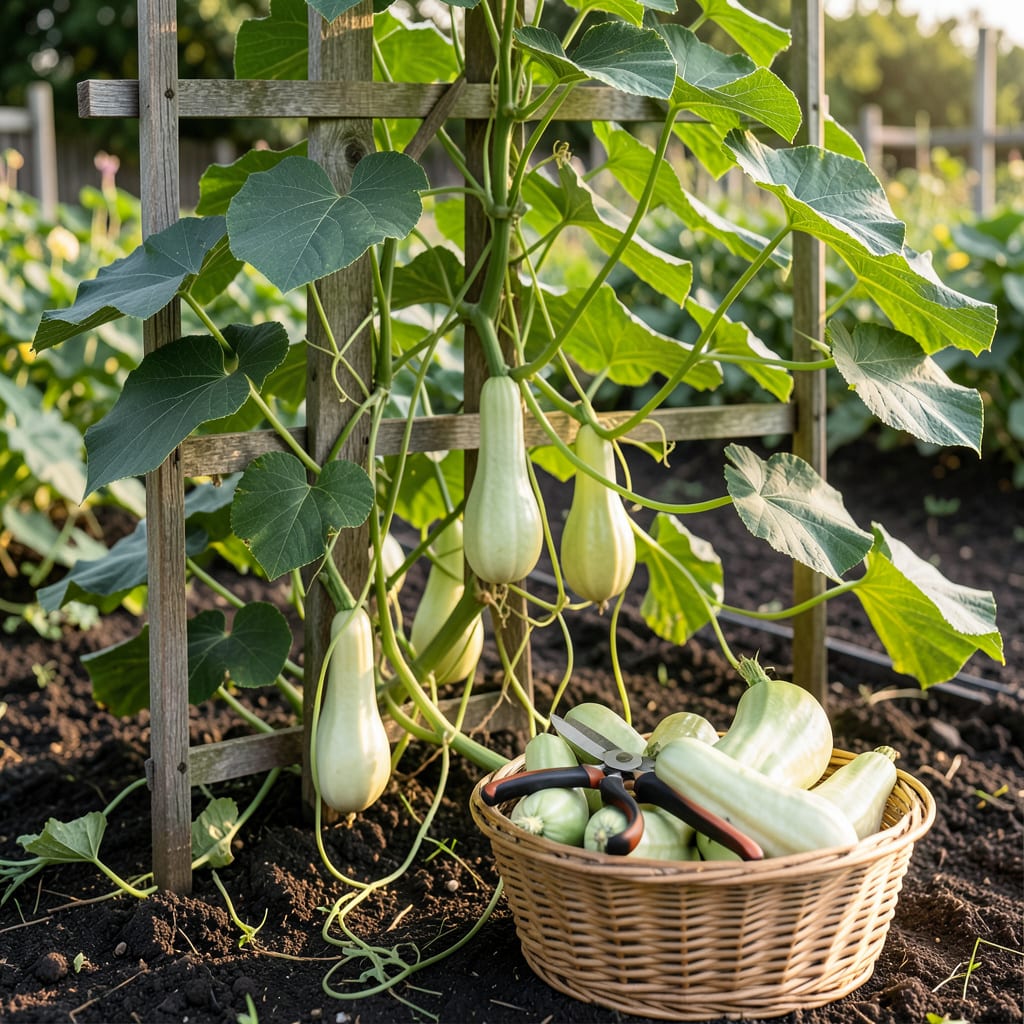
Timing your Bottle Gourd 🎃 harvest perfectly can make or break your crop. Nothing beats the satisfaction of picking fruit at its peak flavor and texture.
I’ll show you the field-tested signs to look for, from color changes to stem conditions. These simple checks ensure you never harvest too early or too late again.


I always check the shell hardness first when determining if my bottle gourds are ready. A mature gourd will have a hard exterior that resists pressure from my thumbnail. If it dents easily, it needs more time on the vine.
The stem condition is another telltale sign. When the stem turns brown and dries out completely, it signals the fruit has stopped growing and is ready for picking. A green, flexible stem means it’s still maturing.
| Sign | Ready Status | Appearance |
|---|---|---|
| Shell Hardness | ✅ Ready | Resists thumbnail pressure |
| Stem Color | ✅ Ready | Brown and dry |
| Color Change | ✅ Ready | Faded to yellow or brown |
| Sound Test | ✅ Ready | Hollow sound when shaken |
Watch for the color transformation too. As bottle gourds mature, their bright green skin gradually shifts to a pale yellow or light brown. This color change is most noticeable on the side exposed to direct sunlight.
Another reliable test is the sound check. Hold the gourd to your ear and shake it gently. A mature one will produce a hollow sound, indicating the seeds inside have dried and the flesh has hardened.
I’ve found that size matters as well. Most varieties reach their full size of 12-24 inches long before they’re ready. Measure your gourds against the expected dimensions for your specific cultivar.
The weight can be deceiving, but a ripe bottle gourd often feels lighter than expected for its size due to the drying interior. Compare similar-sized gourds to gauge this subtle difference.
For long-neck varieties, the bulbous base should feel particularly hard. The neck might stay slightly softer, but the main body must be firm all around for proper ripeness.
I recommend checking these signs weekly as your gourds approach maturity. The transition from unripe to perfectly ready can happen quickly, especially in warm weather conditions. 🌿
Remember that early morning is the best time to harvest. The gourds are at their firmest after a cool night, making them easier to cut without damaging the vine or fruit. ✂️
I’ve learned that climate conditions greatly influence when my bottle gourds are ready. In warmer regions, the harvest window often arrives 10-14 days earlier than in cooler areas. This is because heat speeds up the maturation process.
The planting date also affects timing. If I sow seeds in early spring, I can expect to harvest around 75-90 days later. Later plantings may need an extra week or two to fully mature.
In my experience, soil quality plays a crucial role. Rich, well-draining soil helps gourds reach maturity faster. I always amend my planting beds with compost before sowing to give them the best start.
Sunlight exposure is another key factor. My plants that receive full sun for at least 6 hours daily consistently produce ripe gourds sooner. Partial shade can delay the process by a week or more.
I’ve noticed that container-grown gourds often take longer to mature. The root restriction in pots can slow growth. If you’re growing in containers, be patient and expect to add 5-10 days to the typical harvest window. 🌱
For the most accurate timing, I recommend tracking your planting date and counting forward from there. Most varieties need 75-90 days from seed to harvest, but this can vary based on your specific growing conditions. ☀️
I’ve seen many gardeners make the critical error of harvesting bottle gourds too early. Picking when the shell is still soft leads to fruit that shrivels during drying. Always wait for that thumbnail-resistant hardness to develop.
Another common mistake is ignoring the stem. Cutting gourds with green stems means they’re not fully mature. The stem must be completely brown and dry before harvesting for best results.
Don’t harvest when: Shell is soft, Stem is green, Color stays bright green
Do harvest when: Shell resists pressure, Stem is brown/dry, Color fades to yellow
I caution against using dull tools for harvesting. A clean, sharp pruning shear or knife prevents vine damage. Leave at least 2 inches of stem attached to each gourd to reduce rotting risk.
Many gardeners also overlook the weather. Harvesting during rainy periods can introduce moisture that causes mold. I always pick on dry, sunny days and let gourds cure in the sun for a few hours before storage.
Finally, don’t stack gourds immediately after harvesting. This can cause pressure bruising. Spread them out in a single layer with good airflow for the first week of curing. 🌿
Press your thumbnail against the surface. If it resists pressure and doesn’t dent, it’s ready. Soft shells mean the gourd needs more time on the vine.
Yes! A brown, dry stem confirms maturity. Green stems indicate the fruit is still growing and not ready for harvest.
Wait until the stem dries completely. Color change alone isn’t enough – the stem must turn brown before picking for proper ripeness.
Avoid picking in wet conditions. Harvest on dry, sunny days and let gourds cure in the sun for a few hours to prevent mold.
