
Beautiful Plants For Your Interior
Beautiful Plants For Your Interior
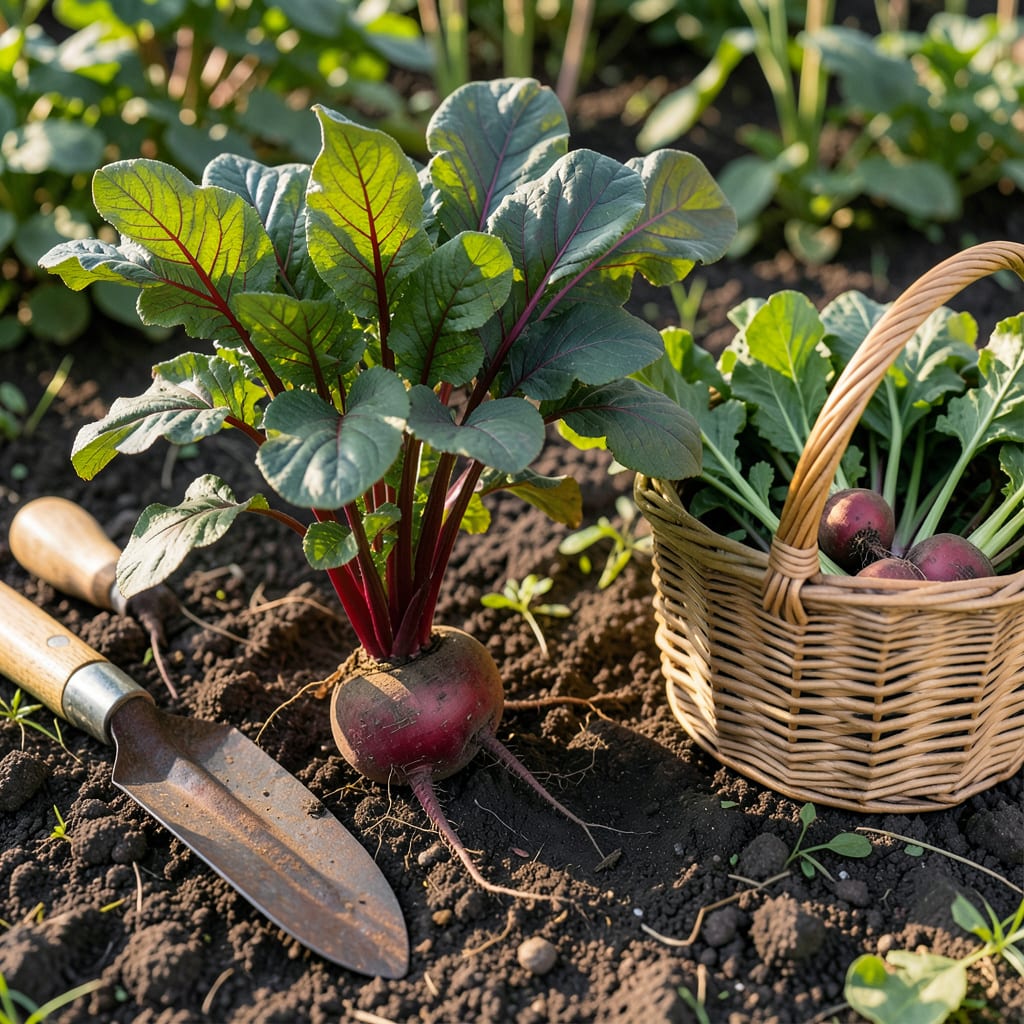
Timing your beet harvest perfectly can be the key to unlocking their sweetest flavor. With 🥬 Beet, missing that ideal window means a tough, earthy taste instead of tender perfection.
I’ll show you how to spot the telltale signs of readiness and pull them from the soil at just the right moment. Discover how to get it right every time.


Timing your beet harvest perfectly ensures the best flavor and texture. I always look for 1-3 inch diameters as the first sign they’re ready. This size range delivers the sweetest, most tender roots.
Another clear indicator is when the beet shoulders start pushing above the soil line. This visual cue means the roots have grown enough to be harvested. I also check for vibrant green leaves and firm texture when gently squeezed.
| Sign | Description |
|---|---|
| Size | 1-3 inches in diameter |
| Shoulders | Protruding above soil |
| Leaves | Vibrant green and healthy |
| Texture | Firm when squeezed |
| Days | 50-70 days after planting |
I’ve learned that days to maturity vary by variety, but most beets are ready in 50-70 days. If I’m unsure, I’ll dig up one to test its size and flavor. A sweet, tender taste confirms it’s time to harvest the rest.
For baby beets, I harvest when they’re about 1 inch in diameter. These are perfect for fresh eating and have an especially delicate flavor. Larger beets, up to 3 inches, are better for storage and cooking.
The soil temperature also affects growth rate. In cooler weather, beets may take longer to mature, while warmer conditions can speed up the process. I always check the weather forecast and adjust my expectations accordingly.
If I notice the leaves turning yellow or the shoulders splitting, I know I’ve waited too long. These are signs the beets are overmature and may have developed a woody texture. I harvest immediately to prevent further deterioration.
To check readiness without digging, I gently brush away soil from the top of the beet. This reveals the shoulder and gives me a good estimate of its size. I also look for smooth, unblemished skin as another sign of peak condition.
Remember, consistent moisture is key for even growth. I water my beets regularly to prevent cracking or toughness. When harvest time arrives, I make sure the soil is slightly damp to ease removal ✂️
Harvesting beets at the right time ensures maximum sweetness and minimal damage. I always check for 1-3 inch diameters and firm texture before pulling them from the soil.
Using the right technique prevents broken roots or bruised skins. I gently loosen the soil around each beet with a hand trowel before pulling.
If the beet tops break off, don’t panic. I use a garden fork to carefully lift the root from below. This avoids damaging the edible part.
For stubborn beets, I water the soil lightly an hour before harvesting. This softens the ground and makes removal easier without straining the plant.
After pulling, I inspect each beet for cracks or soft spots. Damaged beets should be used first as they won’t store as long.
Finally, I store my freshly harvested beets in a cool, dark place like a root cellar. They’ll keep for 2-3 weeks if unwashed and dry ✂️
Timing your beet harvest perfectly ensures the best flavor and texture. Picking too soon results in small, underdeveloped roots that lack sweetness. These tiny beets won’t have had enough time to store sugars.
On the other hand, leaving beets in the ground too long can lead to woody, tough roots as they grow larger than 3 inches. Overmature beets often split or develop a fibrous texture that’s less pleasant to eat.
I’ve found that 50-70 days after planting is the sweet spot for most beet varieties. During this window, the roots reach their peak sugar content while maintaining a tender texture.
To extend your harvest, consider succession planting every 2-3 weeks. This ensures a continuous supply of fresh beets at their prime. Also, remember that cooler temperatures can slow growth, so adjust your timing accordingly.
If you notice beet shoulders pushing above soil or leaves yellowing, it’s time to check their size. A gentle brush of soil away from the top reveals if they’ve reached the ideal 1-3 inch diameter. ✂️
Harvest when they reach 1-3 inches in diameter. At this size, they’re tender and sweet. Larger beets can become woody and tough.
Wilting leaves often signal overmaturity. Check the roots immediately—if they’re over 3 inches or splitting, they’re past their prime and best used quickly.
Yes, but they’ll turn fibrous and lose sweetness. Aim to harvest within 50-70 days after planting for the best flavor and texture.
No, stagger your harvest as they mature. Pick the largest first and let smaller ones continue growing for a steady supply.
