
Beautiful Plants For Your Interior
Beautiful Plants For Your Interior
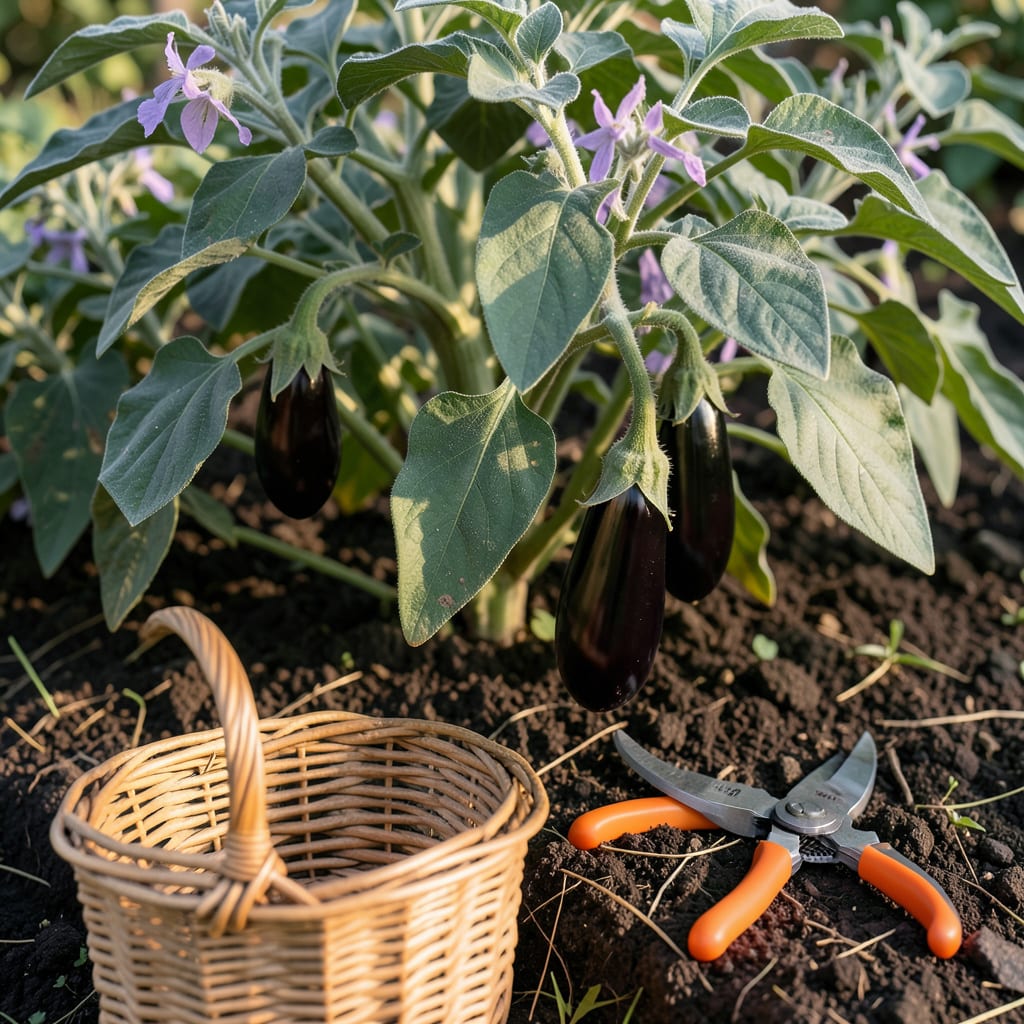
Nothing beats the satisfaction of picking perfectly ripe produce from your own garden. With Asian Eggplant, timing is everything to get that ideal flavor and texture.
I’ll show you the key visual cues—like glossy skin and firm texture—that signal your 🍆 Asian Eggplant is ready. Let’s make sure you harvest at just the right moment.


Timing your harvest perfectly makes all the difference with Asian eggplant. I always look for that glossy skin first—it’s the clearest sign your eggplants are at peak ripeness and ready to pick.
Next, check the firmness. Gently press the fruit; it should give slightly but still feel solid. If it’s rock-hard or squishy, it’s not quite there yet for the best flavor and texture. ✂️
| What to Look For | |
|---|---|
| Skin Appearance | Glossy and smooth |
| Firmness | Firm but yields slightly to gentle pressure |
| Size | 6-12 inches long for most varieties |
| Color Consistency | Uniform and vibrant for the variety |
The size of your Asian eggplant also matters. Most varieties like Japanese or Thai types are ready at 6-12 inches long, but always check the specific guidelines for your variety.
I’ve found that color consistency is another reliable indicator. Whether it’s deep purple, green, or white, the hue should be even across the fruit without dull or pale patches.
If you notice the skin turning dull or the fruit feeling too soft, it’s likely overripe. Overripe eggplants develop bitter flavors and seedy textures, which we want to avoid.
For early varieties, you might see harvest readiness in as little as 50 days. However, most Asian eggplants reach their prime between 60-70 days after transplanting.
Another pro tip: use pruning shears or a sharp knife to cut the eggplant from the plant. This prevents damage to both the fruit and the plant, ensuring continuous production throughout the season.
I always harvest in the morning when temperatures are cooler. This helps preserve the freshness and firmness of the eggplants, making them last longer after picking.
By paying attention to these visual and tactile cues, you’ll consistently pick Asian eggplants at their peak. Happy harvesting! 🌱
Different Asian eggplant varieties have unique harvest windows. I’ve found Japanese types like ‘Ichiban’ are typically ready in 60-65 days, while Thai varieties may take closer to 70 days to mature. ☀️
Your growing conditions also play a role. In warmer climates, eggplants often mature faster, sometimes ready in as little as 50 days. Cooler areas may extend the timeline slightly.
| Variety | Days to Harvest | Typical Size |
|---|---|---|
| Japanese | 60-65 days | 8-12 inches |
| Thai | 65-70 days | 4-6 inches |
| Indian | 55-60 days | 6-8 inches |
Soil quality and watering consistency can speed up or slow down maturity. I always ensure my plants get 1-2 inches of water weekly and are planted in well-draining soil for optimal growth.
If you started seeds indoors,
For container gardening, Asian eggplants may mature slightly faster due to controlled conditions. Just ensure your pots are at least 5 gallons to accommodate root growth.
No matter the variety, always check for those visual cues we discussed earlier—glossy skin and firm texture—to confirm ripeness. These signs are more reliable than the calendar alone.
Even experienced gardeners sometimes misjudge the harvest timing for Asian eggplant. I’ve seen overripe fruits develop bitter flavors and tough textures when left on the vine too long. ✂️
Harvesting too early is another common issue. Pick before the glossy skin appears, and you’ll get underdeveloped eggplants with poor flavor and texture. Always check for those visual cues first.
Waiting too long leads to seedy, bitter eggplants. Harvest too early and you’ll miss out on full flavor and texture.
Using dull tools can crush the stem and damage the plant. I always use sharp pruning shears or a clean knife to make a clean cut just above the calyx.
Never pull or twist the eggplant off the vine. This can harm the plant and reduce future yields. Instead, cut the stem carefully to keep your Asian eggplant plants healthy and productive.
Another mistake is harvesting during the hottest part of the day. I recommend picking in the early morning when both you and the plants are cooler, preserving freshness. 🌱
Look for dull skin or a soft texture when pressed. Overripe eggplants often develop bitter flavors and large, tough seeds inside.
It’s best to wait until it reaches mature size for your variety—typically 6-12 inches. Smaller fruits lack full flavor and texture, even if the skin looks glossy.
Harvest in the early morning when temperatures are cooler. This preserves freshness and firmness, extending shelf life.
Always use sharp pruning shears or a knife. Pulling can damage the plant and reduce future yields.
