
Beautiful Plants For Your Interior
Beautiful Plants For Your Interior
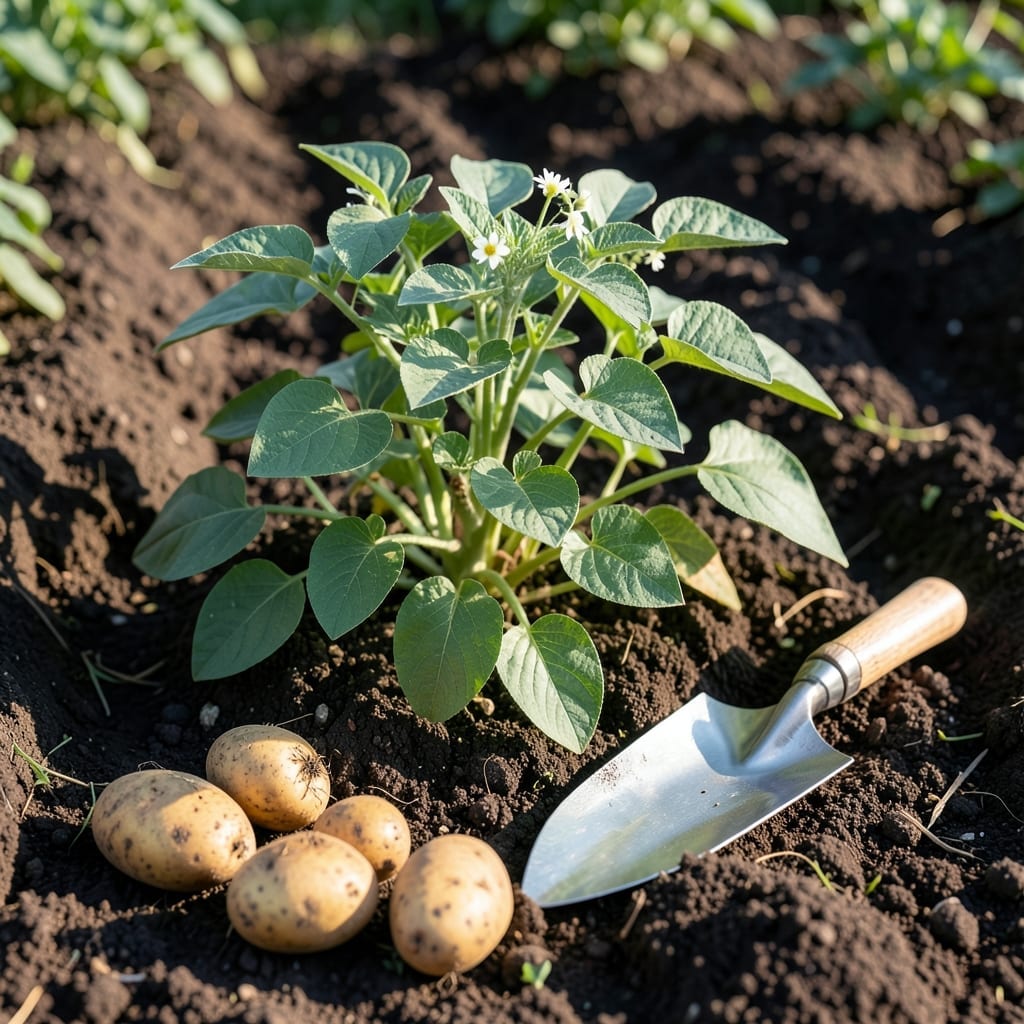
Timing is everything when growing 🥔 Potato in Georgia’s unique climate. Plant too early or too late, and you risk poor yields or disease.
This guide reveals the exact windows for spring and fall crops, tailored to Georgia’s zones 7b-8a. Whether you’re in North or South Georgia, getting the timing right means the difference between a bumper harvest and disappointment.
I’ll walk you through the most important considerations for planting in February through March, so you can enjoy fresh potatoes by late spring. Let’s dig in.


Getting potato planting timing right in Georgia is crucial for a bountiful harvest. The state spans USDA zones 7a-8b, so your exact dates depend on location.
In North Georgia, aim for late February to early March for spring crops. South Georgia gardeners can start 2-3 weeks earlier due to milder winters.
| Planting Window | Soil Temp | Harvest Time |
| February – March | 45-55°F | May – June |
| August – September | 45-55°F | November – December |
For spring planting, wait until soil reaches 45°F at 4-inch depth. Use a soil thermometer for accuracy.
Fall potatoes thrive when planted 10-12 weeks before the first frost. In most of Georgia, that means mid-August to early September.
Early varieties like Yukon Gold need 70-90 days. Late varieties such as Kennebec require 110-135 days.
In North Georgia, frost typically ends April 15. South Georgia sees its last frost around March 15. Always check local forecasts.
I recommend staggering plantings every 2-3 weeks for continuous harvests. This works well with early, mid, and late-season varieties.
Soil temperature is more critical than air temperature. Cold soil (below 40°F) causes seed potatoes to rot before sprouting.
For fall crops, heat tolerance matters. Choose varieties like Red Pontiac that handle Georgia’s late summer warmth.
Remember, consistent moisture is key during tuber formation. Georgia’s summer droughts can stress plants, so mulch heavily and water deeply 1-2 inches weekly ☀️
Georgia’s clay-heavy soils can be tricky for potato growing, but proper prep makes all the difference. I always start with a soil test to check pH levels—potatoes thrive in 5.0-6.0 range.
If your soil is too acidic, add lime to raise pH. For alkaline soil, sulfur or peat moss helps lower it. Aim for loamy, well-draining conditions to prevent tuber rot.
⚠️ Watch Out: Georgia’s nematodes love potatoes. Rotate crops yearly and add organic matter like compost to suppress these pests.
For clay soil, mix in 4-6 inches of compost or aged manure to improve drainage. In sandy areas, organic matter helps retain moisture.
Potatoes need loose soil to expand. I double-dig my beds to 12-15 inches deep, removing rocks and breaking up clumps. This prevents misshapen tubers.
Before planting, add a balanced fertilizer like 10-10-10 at 1 lb per 100 sq ft. Work it into the top 6 inches of soil for best results.
After planting, mulch with straw to retain moisture and suppress weeds. Georgia’s summer heat can dry soil quickly, so consistent watering is key.
Remember, over-fertilizing leads to leafy tops but few tubers. Stick to moderate nitrogen and focus on phosphorus for root development 🌱