
Beautiful Plants For Your Interior
Beautiful Plants For Your Interior
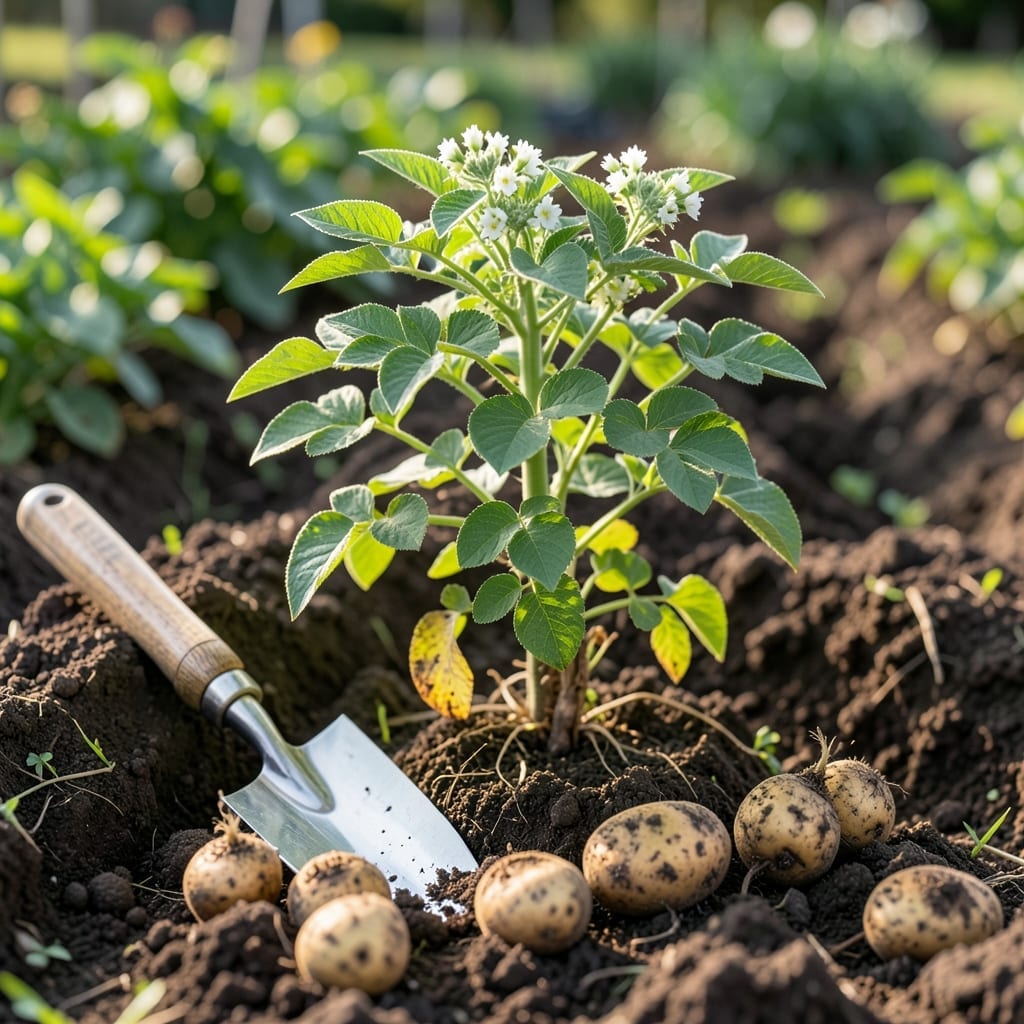
Timing is everything when it comes to growing Potato 🥔 in California. With the state’s diverse climate zones, knowing the right season to plant can mean the difference between a bountiful harvest and a disappointing yield.
In zone 9b, the winter planting window from January to March sets you up for success. The cool soil helps tubers develop properly before the heat of summer arrives.
I’ll show you how to work with California’s unique conditions to get the most out of your Potato crop. Let’s dig into the details that make all the difference.


California’s varied climate means planting times for potatoes differ dramatically across the state. In Northern California, the cool season runs from February to April, avoiding summer heat and frost risks.
For Central California, including the San Joaquin Valley, aim for January to March. The mild winters and warm springs create ideal conditions for tuber development before summer temperatures climb.
In Southern California, the window shifts earlier to December through February. Coastal areas benefit from moderate temperatures year-round, allowing for more flexible scheduling.
For desert regions like Imperial Valley, fall planting from October to November works best. This timing avoids the extreme summer heat that can stress plants and reduce yields.
Coastal areas have the most flexibility. With mild temperatures and consistent moisture, you can plant potatoes almost any month. Just avoid waterlogged soil during rainy seasons.
Remember, soil temperature is critical. Potatoes thrive when soil reaches 45-55°F. Use a soil thermometer to check conditions before planting.
In inland valleys, watch for late frosts that can damage young plants. If frost is forecasted, cover seedlings with frost cloth or mulch heavily.
For high-altitude areas like the Sierra Nevada, wait until late spring when soil warms. The shorter growing season means choosing early-maturing varieties is essential.
No matter your region, consistent moisture is key. Potatoes need 1-2 inches of water per week, especially during tuber formation. Drip irrigation works best to keep foliage dry and prevent disease.
With these regional guidelines, you’ll be well on your way to a successful potato harvest in California ☀️
Choosing the right potato variety can significantly impact your California harvest. Early-season types like Yukon Gold thrive in cooler regions, maturing in just 70-90 days.
Mid-season varieties such as Russet Burbank need 90-110 days and do well in Central California. These are perfect for areas with longer growing windows.
Late-season varieties like Kennebec take 110-130 days and excel in Southern California where the growing season is longer. They handle heat better than most.
For coastal gardens, Fingerling potatoes are ideal. Their 80-100 day maturity fits perfectly with the mild, consistent climate.
I recommend testing a few varieties to see which performs best in your specific microclimate. Each has unique flavor profiles and growing requirements.
Remember, seed potatoes should be certified disease-free. Cut larger ones into pieces with 2-3 eyes each, and let them cure for a day before planting.
With the right variety and timing, you’ll enjoy a plentiful harvest of delicious potatoes 🌱