
Beautiful Plants For Your Interior
Beautiful Plants For Your Interior
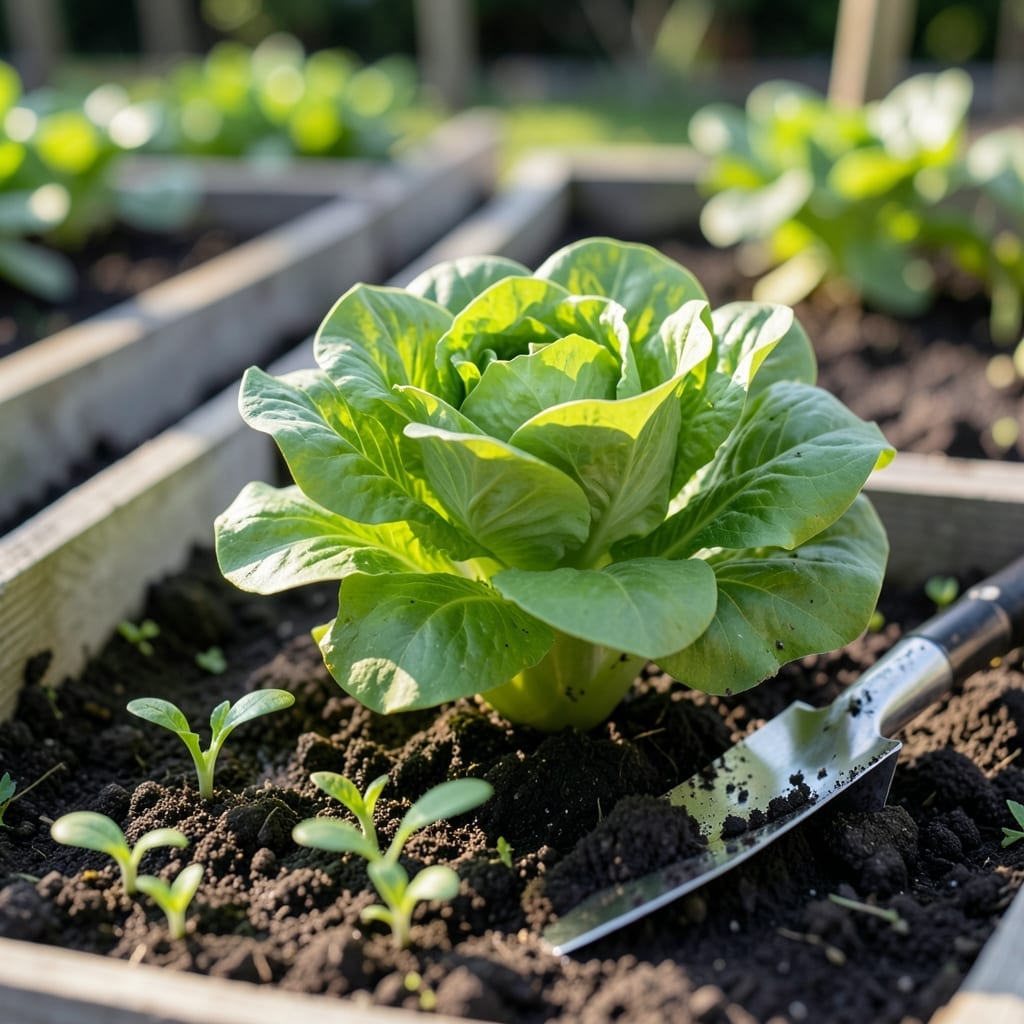
Timing is everything when it comes to growing crisp, flavorful Lettuce 🥬. Plant too early or too late, and you risk bitter leaves or bolted crops.
This guide reveals the perfect windows for every climate and variety. Whether you’re in zone 6a or elsewhere, I’ll show you how to nail the timing.
Discover when to start seeds, how to beat the heat, and the secrets to extending your harvest season. Let’s get growing.


Getting the timing right for lettuce planting means understanding your climate zone and frost dates. I always start seeds 4-6 weeks before the last frost in spring, or in late summer for a fall harvest.
In cool climates like zone 6a, early spring and late summer plantings work best. Warmer zones can grow lettuce through winter with protection from extreme cold. 🌱
| Climate Zone | Planting Window | Key Tip |
|---|---|---|
| Cool (Zones 3-5) | Feb-Apr, Aug-Sep | Start indoors 6 weeks before last frost |
| Moderate (Zones 6-8) | Mar-May, Sep-Oct | Direct sow when soil hits 40°F |
| Warm (Zones 9-11) | Oct-Feb | Use shade cloth for winter sun |
For spring planting, I aim to get seeds in the ground as soon as it’s workable. The soil should be at least 40°F for germination, which usually happens 2-4 weeks before the last frost date.
In warmer regions, fall planting is often more successful than spring. I plant 6-8 weeks before the first frost to allow time for maturity before cold sets in. 🌿
Succession planting is my secret to continuous harvests. I sow new seeds every 2-3 weeks during the growing season to ensure a steady supply of fresh leaves.
For heat-sensitive varieties like butterhead, I avoid planting during the hottest months. Instead, I focus on heat-tolerant types like romaine or oakleaf for summer crops.
In extreme climates, I use season extenders. Cold frames let me start earlier in spring, while shade cloth protects plants from summer scorching. This way, I can grow lettuce nearly year-round.
Remember, soil temperature is more important than air temperature. I use a soil thermometer to check conditions before planting, ensuring the best start for my seeds. ☀️
Finally, always check your local frost dates. These can vary even within the same zone, and adjusting by just a week can make a big difference in your harvest success.
If you think lettuce is just a spring crop, think again. With a few smart techniques, I’ve learned to harvest fresh leaves from early spring through fall, even in challenging climates. 🌱
The key is succession planting. I sow new seeds every 2-3 weeks to keep a continuous supply. This prevents overwhelming gluts and ensures tender leaves are always ready.
For fall harvests, I plant 6-8 weeks before the first frost. This gives lettuce enough time to mature before cold weather slows growth. I also select quick-maturing varieties for late plantings.
In hot climates, I rely on shade cloth to block intense afternoon sun. This keeps soil cooler and prevents bitter leaves or premature bolting. I’ve found 30-50% shade works best for most varieties.
Cold frames are my go-to for winter growing in mild zones. They trap heat and protect plants from light frosts, extending my season by months. Even in zone 6a, I can often harvest into December. 🌿
Finally, don’t underestimate the power of container gardening. Potted lettuce can be moved to follow the sun or seek shade, giving me more control over growing conditions. This is especially useful for balcony or small-space gardeners.