
Beautiful Plants For Your Interior
Beautiful Plants For Your Interior
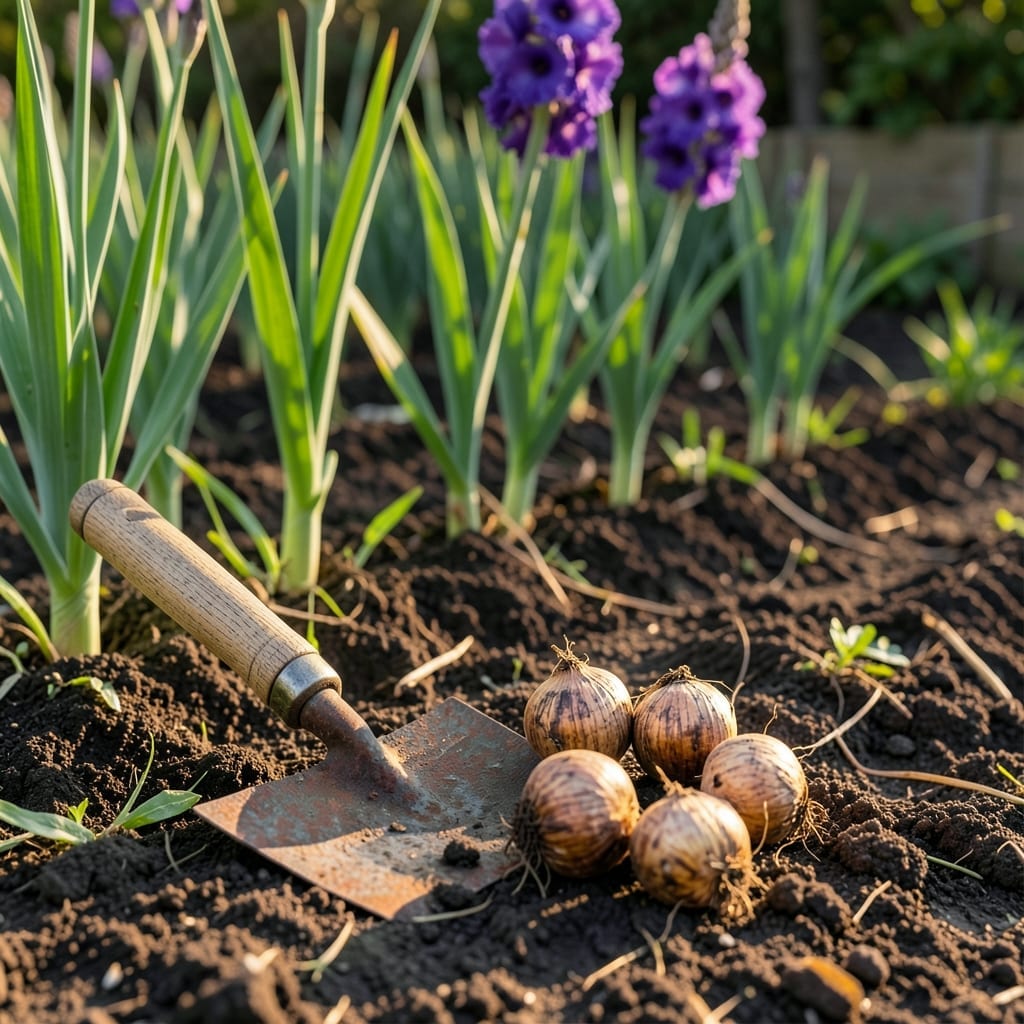
Timing is everything when growing Gladiolus 🌸, and planting at the right moment ensures a season filled with stunning blooms. Whether you’re a beginner or an experienced gardener, knowing the ideal window can make all the difference.
I’ve learned that getting this timing right means the difference between a lackluster garden and one bursting with vibrant, sword-like flowers. The good news? It’s easier than you might think.
Let me show you exactly when to plant for the best results, so you can enjoy those beautiful blooms from July through September.


Getting the timing right for gladiolus planting is key to vibrant blooms. These stunning flowers thrive when planted in warm soil, typically after the last frost date in your area.
I always check my USDA hardiness zone to determine the perfect window. For most gardeners, this means spring planting, but timing varies by region to avoid cold damage. 🌱
| Zone | Planting Time | Soil Temp |
|---|---|---|
| 3-4 | Late April-May | 60°F+ |
| 5-6 | Mid-April | 55°F+ |
| 7-8 | March-April | 50°F+ |
| 9-10 | February-March | 45°F+ |
In cooler zones 3-4, wait until late spring when soil has warmed. I’ve seen gladiolus corms rot in cold, wet earth, so patience pays off here.
For warmer zones 7-10, you can start earlier. I plant my first batch in March for early summer blooms, then add more every 2-3 weeks for continuous color. ☀️
Soil temperature is critical—aim for at least 50-60°F. Use a soil thermometer if you’re unsure. I check mine in the morning for the most accurate reading.
In zone 5-6, mid-April is ideal. This gives your gladiolus enough time to establish before hot summer weather. I’ve found this timing produces the strongest stems and biggest blooms.
Don’t forget about fall planting in mild climates. In zones 9-10, you can plant in October for winter blooms, but protect corms from frost if temperatures drop unexpectedly.
For the best results, plant corms 4-6 inches deep and 6 inches apart. This spacing gives them room to grow while supporting each other in windy conditions. 🌿
Remember that microclimates matter. A sunny spot against a south-facing wall might warm up weeks earlier than a shady area. I always observe my garden’s specific conditions.
If you’re unsure about your zone, check the USDA Plant Hardiness Zone Map. It’s the most reliable guide for gladiolus planting times across the country.
Achieving non-stop gladiolus blooms is all about staggered planting. I start my first batch in early spring and then plant new corms every 2-3 weeks until early summer.
This simple technique extends your flowering season by months. I’ve used it to enjoy gladiolus blooms from July through September, with fresh spikes opening just as older ones fade. 🌷
For spring planting, wait until soil reaches 50-60°F. I use a soil thermometer to check, as cold earth can cause corm rot and poor sprouting.
In summer, I adjust my watering schedule to twice weekly during hot spells. Gladiolus need consistent moisture but hate soggy soil, so well-draining beds are a must. ☀️
For fall planting in warm zones, I plant corms 6-8 weeks before first frost. This gives them time to establish before winter. In colder areas, I dig up corms after foliage dies back.
With this approach, you’ll have continuous color all season long. It’s amazing how such simple timing adjustments can transform your garden’s impact. 🌿