
Beautiful Plants For Your Interior
Beautiful Plants For Your Interior
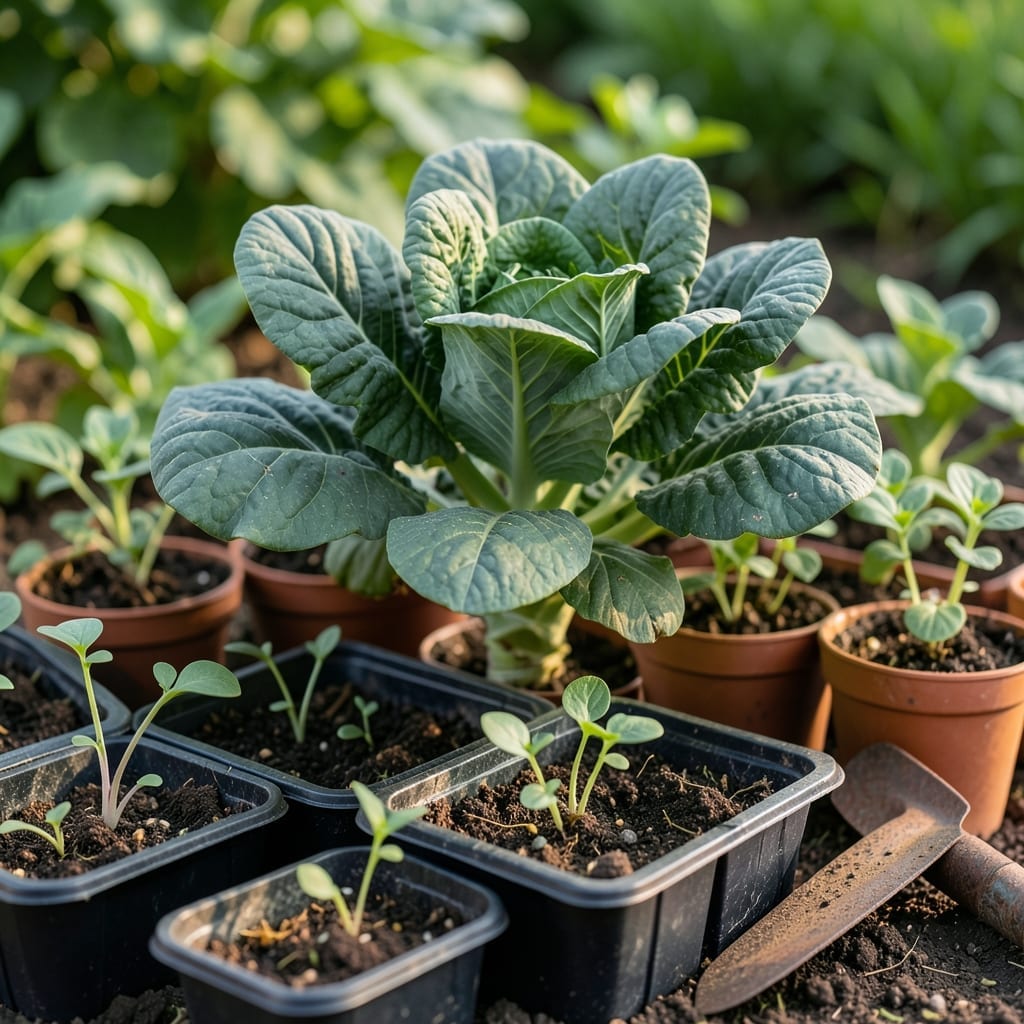
Collards are one of the most rewarding cool-weather crops you can grow, thriving when other plants shiver. The 🥬 leafy green loves the chill of early spring and the crisp days of fall.
Timing is everything with Collards. Plant too early or too late, and you’ll miss out on those tender, sweet leaves. I’ll show you exactly when to get them in the ground for the best harvests.
Discover the simple seasonal secrets that make growing Collards a breeze, whether you’re in zone 6 or just starting out. Let’s dig in.


I’ve found that collards grow best when planted during cool seasons, making them perfect for both spring and fall. In most regions, you can start seeds indoors 6-8 weeks before the last frost.
For direct sowing, aim for 4-6 weeks before your last spring frost date. This gives the plants time to establish before warmer weather hits. In fall, plant 10-12 weeks before the first frost for a late harvest.
| Region | Spring Planting | Fall Planting |
|---|---|---|
| USDA Zones 6-7 | February – April | August – September |
| USDA Zones 8-9 | January – March | September – October |
| USDA Zones 4-5 | March – April | July – August |
In warmer climates like zones 8-9, collards can even overwinter with protection. I’ve seen them thrive through mild winters, providing fresh greens year-round. Just be sure to mulch heavily to protect roots.
For northern gardeners in zones 4-5, starting seeds indoors is almost a must. Transplant seedlings 2-3 weeks after the last frost when soil temps reach 40°F. This ensures they don’t get stunted by cold soil.
In the deep South, collards can be grown as a winter crop. Plant in fall for harvests through winter and early spring. The cool temps sweeten the leaves, reducing bitterness. ☀️
If you’re in a mild coastal area, you might get away with year-round planting. Just watch for bolt resistance—collards tend to go to seed in hot weather. I recommend succession planting every 3-4 weeks for continuous harvests.
Remember that soil temperature is just as important as air temperature. Collard seeds germinate best at 60-75°F. In cooler soils, consider using row covers to speed up germination.
For fall crops, timing is critical. Count backward from your first frost date, allowing 75-90 days to maturity. In zone 6, that means planting by mid-August for a fall harvest.
I’ve had great success with container growing in colder zones. Use large pots and move them to sheltered spots when temps drop below 25°F. This extends the season by several weeks. 🌱
I’ve learned that fall collards often taste sweeter than spring crops, thanks to cool temperatures enhancing their flavor. The key is timing your planting so they mature before hard frosts hit.
For most gardeners, 10-12 weeks before the first frost is ideal. In zone 6, that means planting by mid-August for a late fall harvest. This gives plants time to establish before cold weather slows growth.
I recommend succession planting every 2-3 weeks until 6 weeks before your first frost. This ensures a continuous harvest rather than one large crop.
Fast-maturing varieties like ‘Georgia Southern’ or ‘Vates’ are perfect for late planting. They’ll reach harvest size in 55-65 days, giving you more flexibility with timing.
If an early frost threatens, don’t panic. Collards can handle light frosts down to 25°F. In fact, a light frost often improves flavor by reducing bitterness. 🌱
For northern gardeners in zones 4-5, consider using cold frames or low tunnels to extend the season. I’ve kept collards alive into December this way!