
Beautiful Plants For Your Interior
Beautiful Plants For Your Interior
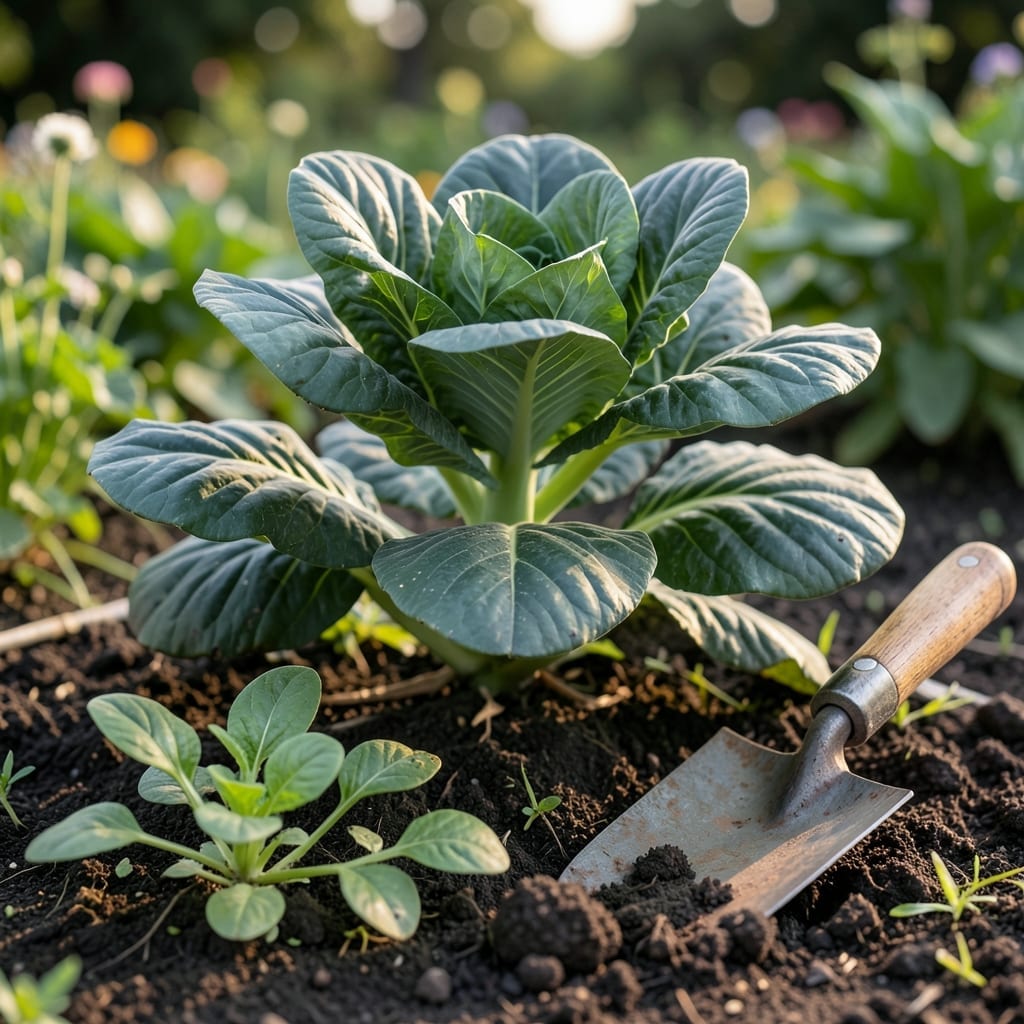
Collard greens are a cold-hardy, nutrient-packed staple for any garden, but timing is everything for a bountiful harvest. Knowing exactly when to plant them can mean the difference between thriving 🥬 Collard Greens and a disappointing crop.
I’ve learned that planting during the right windows is the key to success. Whether you’re in USDA zone 6 or elsewhere, getting the timing right ensures healthy growth.
Let me walk you through the best seasons and conditions for planting these versatile greens, so you can enjoy fresh harvests from your garden.

If you want thriving collard greens, timing is everything. These cold-hardy plants do best when planted during cool weather windows.
In most regions, you can plant in early spring or late summer for a fall harvest. They tolerate light frosts, making them ideal for extending your growing season. 🌱
| Region | Spring Planting | Fall Planting | Notes |
|---|---|---|---|
| USDA Zones 3-5 | 4-6 weeks before last frost | 6-8 weeks before first frost | Use row covers for protection |
| USDA Zones 6-7 | February-April | August-September | Ideal for two harvests |
| USDA Zones 8-10 | January-February | September-October | Avoid peak summer heat |
For spring planting, aim to sow seeds 4-6 weeks before your last expected frost date. This gives plants time to establish before warmer weather arrives.
In warmer zones like 8-10, you can plant as early as January for spring crops. The key is avoiding extreme heat, which can cause bolting.
For fall planting, start seeds 6-8 weeks before your first expected frost. This ensures mature plants before cold weather sets in.
Collard greens actually taste sweeter after a light frost, so don’t rush to harvest before cool temperatures arrive. They’ll keep producing through light freezes. 🌿
If you’re in a mild winter region, you might get away with winter planting. Just provide some frost protection during the coldest spells.
Remember that soil temperature is crucial. Aim for 40-85°F for best germination. In hot climates, afternoon shade can help prevent bolting.
For the most precise timing, check your local frost dates and adjust accordingly. When in doubt, succession planting every 2 weeks ensures a continuous harvest.
To enjoy fresh collard greens all season long, I recommend succession planting. This simple technique ensures a continuous harvest rather than one big flush.
Start by planting your first batch 4-6 weeks before your last frost date. Then, sow new seeds every 2-3 weeks until midsummer for spring crops. 🌱
For fall harvests, begin planting in late summer. In zone 6, that means August for a October-November harvest. The plants will mature as temperatures cool.
Remember that collard greens grow sweeter after a light frost. I’ve found that plants started in September often produce the most flavorful leaves. ✂️
In warmer climates, you can plant through winter. Use row covers or cold frames to protect from hard freezes. This lets you enjoy greens nearly year-round.
For the most consistent supply, I plant small batches in multiple locations. This way, if one area underperforms, others will compensate. 🌿
Finally,