
Beautiful Plants For Your Interior
Beautiful Plants For Your Interior
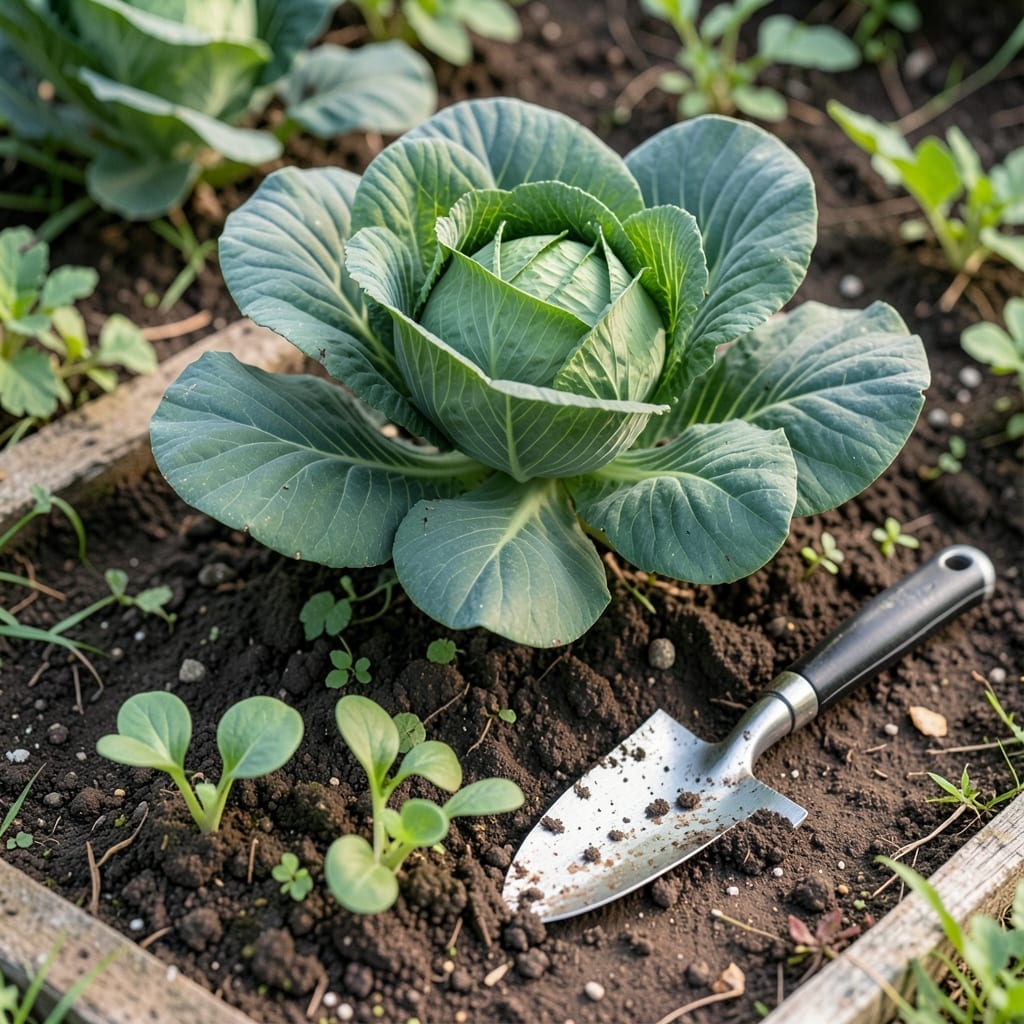
Timing is everything when growing 🥬 Cabbage—plant too early or late, and you risk stunted growth or pests. The right schedule makes all the difference for a thriving crop.
In zone 6, spring planting from March to April sets you up for a June-July harvest. For a fall crop, August to September planting works best.
I’ll show you how to align your planting with the seasons for the healthiest Cabbage. Let’s get started on the path to a successful garden.

Getting your cabbage timing right means the difference between a bountiful harvest and a struggling crop. I’ve found that aligning planting with your USDA zone is the secret to success.
From cool spring starts to fall plantings, each region has its own optimal windows. Let me break down the best approach for zones 3 through 11. 🌱
| Zone | Spring Planting | Fall Planting |
|---|---|---|
| 3-4 | Start indoors March | Direct sow July-August |
| 5-6 | Direct sow April | Direct sow August-September |
| 7-8 | Direct sow February-March | Direct sow September-October |
| 9-11 | Direct sow January-February | Direct sow October-November |
Cabbage thrives in cool weather, making spring and fall the best seasons for most gardeners. I always aim for soil temps between 45°F and 85°F for optimal germination.
In colder zones, starting seeds indoors 6-8 weeks before the last frost gives your plants a head start. Transplant them outside when they have 4-6 true leaves.
For warmer zones, fall planting is often more successful. The cooler temperatures prevent bolting and lead to sweeter, denser heads. I’ve had great luck with this approach in zone 7.
Frost tolerance is a cabbage superpower. Young plants can handle light frosts, and mature heads tolerate hard frosts down to 20°F. This makes cabbage ideal for extending your season.
Watch your local frost dates carefully. In zone 6, our last frost is typically April 15, so I start seeds indoors in late February for a spring crop. For fall, I count back 80-100 days from the first frost.
Don’t forget about succession planting. By staggering plantings every 2-3 weeks, you can enjoy a continuous harvest rather than one big flush. This works especially well with fast-maturing varieties. 🌿
Remember that microclimates matter too. A sunny south-facing wall might let you plant a week earlier than a shady north slope. Observe your garden’s unique conditions for the best results.
Northern gardeners face unique challenges with short growing seasons, but don’t let that stop you. I’ve found success by starting seeds indoors and using season-extending tools to grow cabbage.
For zones 3-5, begin seeds 8-10 weeks before your last frost date. This gives plants a strong start before transplanting outside. 🌱
I always use row covers to shield young plants from late frosts. These lightweight fabrics let in light and water while adding 4-6°F of warmth.
Fast-maturing varieties are your best friends in short seasons. Look for types that mature in 60-70 days rather than 90+. I’ve had great success with Golden Acre and Red Express.
Raised beds warm up faster in spring than in-ground soil. I’ve measured 5-10°F differences, which can mean weeks of extra growing time in short seasons. 🌿