
Beautiful Plants For Your Interior
Beautiful Plants For Your Interior
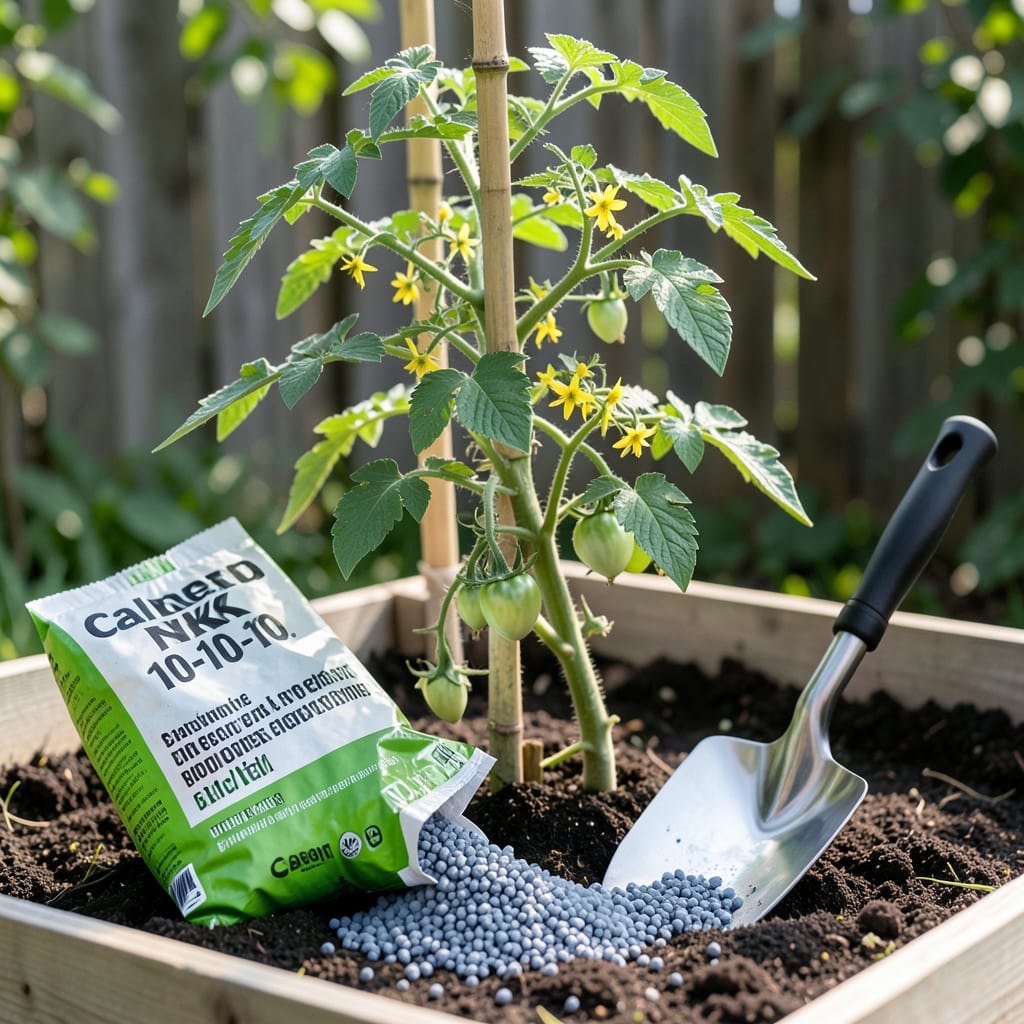
If you’ve ever wondered why your tomato plants look lush but produce few fruits, the answer often lies in when you fertilize. I’ve found that following a 3-stage schedule—aligned with your plant’s growth phases—can triple your harvest compared to random feeding. The key is patience.
Most gardeners make the mistake of fertilizing immediately after planting, which can actually harm tender roots. Instead, wait until your seedlings show their first true leaves (not just the initial seed leaves). This usually happens about 2-3 weeks post-transplant, when roots are established enough to handle nutrients.
| Growth Stage | Timing | Recommended NPK | Application Method |
|---|---|---|---|
| Root Establishment | 2-3 weeks after planting | 5-5-5 or 10-10-10 | Granular worked into soil |
| Pre-Flowering Growth | 3-6 weeks after planting | 5-10-10 or 6-12-12 | Liquid or foliar spray |
| Fruit Development | 7+ weeks (when flowers appear) | 3-4-6 or 5-10-15 | Liquid every 2 weeks |
Pro Tip: For container tomatoes, use half-strength liquid fertilizer weekly instead of granular to prevent salt buildup.
During the first stage (weeks 0-2), focus on watering consistently but avoid fertilizing. Your seedlings are directing all their energy toward root development. I like to use a soil thermometer to confirm the ground is at least 60°F before planting—this ensures roots grow aggressively.
Once you hit weeks 3-6, switch to a balanced fertilizer with slightly higher phosphorus (the middle number in NPK). This is when your plants are building their foliage framework to support future fruit. I recommend a fish emulsion or compost tea for organic gardeners, as these provide gentle, steady nutrition.
When you see those first yellow tomato flowers (typically around week 7), it’s time for the final stage. Shift to a low-nitrogen, high-phosphorus formula to encourage fruiting. Look for fertilizers labeled “tomato & vegetable” with NPK ratios like 3-4-6 or 5-10-15. This is when I also add crushed eggshells for calcium.
For in-ground tomatoes, I apply 1-2 tablespoons of granular fertilizer per plant, scratched into the soil about 6 inches from the stem. For containers, I use half-strength liquid fertilizer every 10-14 days. Always water deeply after fertilizing to prevent root burn and help nutrients penetrate the soil.
Watch for signs you’re overdoing it: leaf curl, brown leaf edges, or excessive foliage with no flowers. If you see these, flush the soil with water and hold off on fertilizing for 2-3 weeks. Remember, tomatoes are heavy feeders but they prefer consistent, moderate meals over feast-or-famine cycles.
If you’re growing indeterminate varieties (like ‘Sungold’ or ‘Beefsteak’), you’ll need to continue light fertilizing every 3-4 weeks throughout the season. For determinate varieties (like ‘Roma’ or ‘Celebrity’), one or two feedings are usually sufficient since they produce all their fruit at once.
Finally, always test your soil before adding fertilizer. A simple $10 soil test kit from your garden center can reveal if you’re lacking specific nutrients. I was shocked to discover my soil was severely potassium-deficient last year—adding wood ash made a noticeable difference in fruit size! 🌱
Even experienced gardeners can sabotage their tomato harvest with simple fertilization errors. I’ve seen lush green plants with zero fruit because someone used high-nitrogen fertilizer at the wrong time. Let’s break down the top 5 mistakes and how to fix them before they ruin your crop.
The most common blunder? Fertilizing too early. Your seedlings need time to establish roots before you hit them with nutrients. I recommend waiting 2-3 weeks after planting—until you see new growth—before applying anything. That early patience prevents nutrient burn and weak stems.
Another costly error is using the wrong NPK ratio for your plant’s stage. A balanced 10-10-10 works for young plants, but switch to low-nitrogen, high-phosphorus (like 5-10-10) when flowers appear. I’ve rescued struggling plants by simply adjusting their fertilizer—more potassium during fruiting boosts size and flavor.
Don’t overlook soil pH either. Tomatoes thrive in 6.0-6.8 pH. If your soil’s too acidic or alkaline, nutrients lock up, no matter how much you feed. A $10 soil test kit saves you from throwing money at fertilizers that won’t even work. I test my soil every spring—it’s my secret weapon for consistent yields.
Overwatering after fertilizing washes away nutrients before plants absorb them. Water lightly after applying granular fertilizer, then wait 2-3 days before deep watering. For liquid fertilizers, apply to damp soil to prevent root burn. I use a moisture meter to take the guesswork out of timing.
Finally, micronutrients matter. Calcium prevents blossom end rot, magnesium keeps leaves green, and boron aids pollination. I add crushed eggshells for calcium and Epsom salt (1 tbsp/gallon) monthly. These small tweaks make the difference between good tomatoes and award-winning harvests.
Choosing between organic and synthetic fertilizers for your tomatoes can feel overwhelming. I’ve tested both, and each has pros and cons. Organic options like compost or fish emulsion improve soil health long-term but release nutrients slowly. Synthetics like 10-10-10 deliver instant results but may harm beneficial microbes over time.
If you’re growing heirloom tomatoes or prioritize soil health, organic is my top pick. For a quick boost in container tomatoes or high-yield hybrids, synthetics can be effective—but use them sparingly. The key is matching the fertilizer type to your growth stage and gardening goals.
| Factor | Organic | Synthetic |
|---|---|---|
| Nutrient Release | Slow (weeks to months) | Fast (immediate) |
| Soil Health | Improves long-term | May degrade over time |
| Cost | Moderate to high | Low to moderate |
| Best For | Heirlooms, soil building | Quick fixes, containers |
| Ease of Use | Requires planning | Simple application |
For new gardeners, I recommend starting with a balanced organic fertilizer like 5-5-5 compost tea. It’s gentle and reduces the risk of nutrient burn. If you’re using synthetics, always water deeply after applying to prevent root damage. Remember, tomatoes thrive on consistency—not overfeeding.
One of my favorite organic combos is mixing bone meal (for phosphorus) with kelp meal (for potassium) at planting. This mimics the slow-release nutrients tomatoes crave. For synthetics, a water-soluble 8-32-16 works well during flowering—but cut back once fruit sets to avoid excess nitrogen.
Pro tip: Test your soil before choosing! If your soil is already rich in nitrogen, skip the high-N synthetics. For container tomatoes, liquid organics like fish emulsion are easier to manage. Whichever you pick, follow the schedule—overfertilizing is worse than underfertilizing.
Finally, consider rotating fertilizers mid-season. Start organic, then switch to a light synthetic boost if plants look sluggish. This hybrid approach gives you the best of both worlds: long-term soil health and short-term productivity. 🌱
Wait 2-3 weeks after transplanting before fertilizing. This gives roots time to establish without risking nutrient burn. Look for new growth or the first set of true leaves as your cue.
Start with a balanced 10-10-10 or 5-5-5 formula. Once flowers appear, switch to low-nitrogen, high-phosphorus (like 5-10-10) to encourage fruiting. Avoid high-nitrogen mixes after flowering begins.
Well-aged compost provides slow-release nutrients. Mix 1-2 inches into the soil at planting, then top-dress with ½ inch monthly. For heavier feeders, supplement with a liquid fish emulsion every 4-6 weeks.
Early fertilization can cause nutrient burn (brown leaf tips) or weak, leggy growth. Roots need time to develop before processing added nutrients. If you’ve already overfed, flush the soil with water and hold off for 2 weeks.
Container plants deplete nutrients faster. Use a water-soluble fertilizer (like 8-32-16) every 2 weeks during growth. Reduce to monthly once fruit sets. Always water deeply after feeding to distribute nutrients evenly.
