
Beautiful Plants For Your Interior
Beautiful Plants For Your Interior
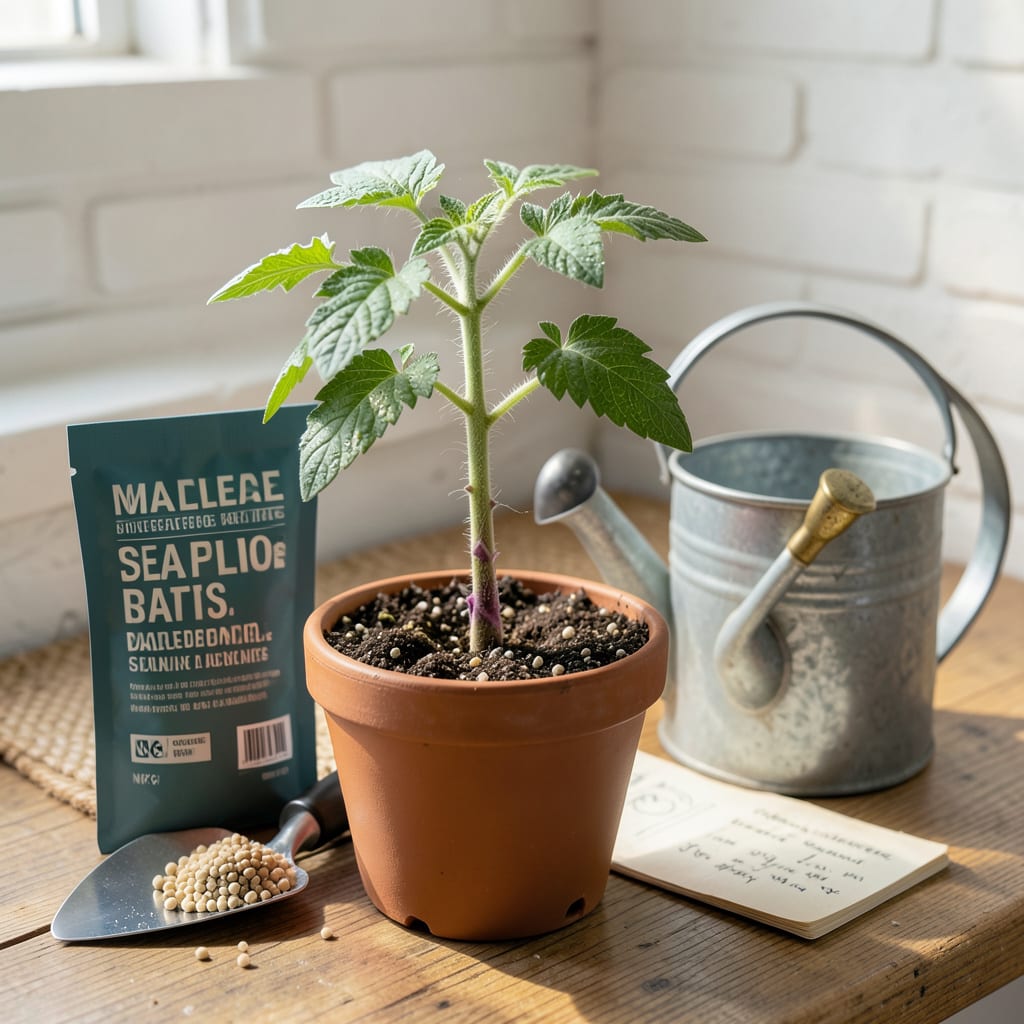
That moment when your tiny seedlings finally sprout is pure magic—until you realize one wrong move with fertilizer could ruin everything. I’ve seen too many gardeners (myself included!) accidentally stunt their plants by feeding too soon or too late.
The difference between thriving 🍅 tomato starts and weak, leggy failures often comes down to perfect timing. Let’s break down exactly when to nourish your seedlings—stage by stage—so you get strong roots, vibrant leaves, and a harvest that’ll make your neighbors jealous.
Timing is everything when fertilizing seedlings. Feed them too early, and you risk burning delicate roots. Wait too long, and they’ll grow weak from nutrient deficiency. I’ve found the sweet spot lies in watching for three key stages: when true leaves appear, pre-transplant hardening, and post-transplant recovery.
Most beginners make the mistake of fertilizing at germination or when only cotyledons (the first “seed leaves”) are present. But these early leaves don’t need nutrients—they’re packed with stored energy from the seed. The real magic happens when true leaves emerge, signaling the seedling is ready for external nourishment.
Fertilize 7-10 days after true leaves form (not cotyledons). Use ¼-strength liquid fertilizer or compost tea.
Boost nutrients 1 week before transplanting to strengthen stems. Switch to ½-strength balanced fertilizer (e.g., 5-5-5 NPK).
Wait 5-7 days post-transplant, then resume feeding with full-strength fertilizer tailored to plant type (e.g., 3-4-6 for tomatoes).
For heavy feeders like tomatoes or peppers, I start fertilizing at the first true leaf stage with a gentle organic option like fish emulsion (diluted to ¼ strength). Light feeders like herbs or lettuce can wait until they’re 3-4 inches tall—usually 3-4 weeks in.
If you’re using slow-release granules, apply them at the pre-transplant stage by mixing into the top inch of soil. This avoids overloading tender roots while ensuring nutrients are available as the seedling grows. For liquid fertilizers, stick to a weekly schedule but reduce to biweekly if leaves yellow or curl.
Organic vs. synthetic timing differs slightly. Organic fertilizers (like worm castings) can be applied 1-2 days earlier since they release nutrients slowly. Synthetic fertilizers act fast, so I recommend waiting until seedlings are at least 3 inches tall to prevent shock.
Watch for visual cues: pale leaves or stunted growth mean it’s time to feed, while dark green, thick stems suggest you’re on track. If seedlings stretch excessively (leggy growth), they’re craving nutrients—but also check light levels, as weak light mimics hunger.
Indoor seedlings under grow lights often need fertilizing 1-2 weeks earlier than outdoor-sown plants because they grow faster. Adjust your schedule if you’re using 14+ hours of artificial light daily. Conversely, cool-season crops (like kale) may need less frequent feeding in early spring.
Pro tip: Always water seedlings first before applying fertilizer. Dry roots absorb nutrients poorly and risk burn. I use the “weakly, weekly” rule for liquids: dilute to ¼-½ strength and apply once a week for consistent, safe growth.
Remember, less is more with seedlings. Over-fertilizing causes salt buildup, leading to crispy leaf edges or wilting. If you notice white crust on soil, flush with water immediately. Seedlings bounce back quickly when you correct mistakes early! 🌿
Timing is everything when feeding young plants. I’ve learned the hard way that fertilizing too early can burn delicate roots, while waiting too long leaves seedlings weak. The secret? Watch for three key stages—not just calendar dates—because every plant grows at its own pace.
Your seedlings will actually tell you when they’re ready for their first meal. Look for true leaves (the second set that appears), not just the initial seed leaves. This is when their tiny root systems are finally strong enough to handle nutrients without stress. 🌱
For heavy feeders like tomatoes or peppers, I start fertilizing at Stage 1 but use organic options (fish emulsion or worm castings) to avoid salt buildup. Herbs and lettuce? They can wait until Stage 2—they’re light feeders and thrive on less.
Here’s a pro tip: If you’re growing under artificial lights, your seedlings may need nutrients sooner than outdoor starts. The lack of soil microbes means they deplete available nutrients faster. Check weekly for pale leaves or slowed growth—classic hunger signs. ☀️
Outdoor seedlings get a natural boost from rain and soil life, so I often delay their first feeding by 3-5 days compared to indoor starts. But if your soil is poor (test it!), don’t skip the Stage 1 feed—just use a milder dose.
Remember, over-fertilizing is worse than under-fertilizing. If you’re unsure, err on the side of caution and use compost tea—it’s gentle and packed with microbes. Your seedlings will thank you with thicker stems and darker green leaves in no time! 🪴
I’ll be honest—nothing breaks my heart more than watching over-fertilized seedlings wilt or turn crispy. That fertilizer burn isn’t just ugly; it can permanently damage roots and stunt growth. The worst part? It’s completely avoidable once you know the warning signs.
If you’ve already fed too soon, don’t panic. Your seedlings can recover if you act fast. The first red flag is brown leaf tips or white crust on the soil surface—both scream “nutrient overload!” Here’s exactly what’s happening underground and how to reverse it. 🌱
Symptoms: Crispy edges, yellowing leaves, stunted growth, or white salt deposits on soil.
Cause: Too-strong fertilizer or feeding before roots develop.
Fix: Flush soil with water, move to shade, and hold off on nutrients for 1-2 weeks.
The fastest fix? Flush the soil immediately with room-temperature water—run it through the pot for 2-3 minutes to wash out excess salts. Then, move seedlings to bright, indirect light (no direct sun!) for 3-5 days while they recover. Skip all fertilizers until you see new green growth.
For severe cases, I’ve had success with a diluted compost tea (1:10 ratio) after flushing. It replenishes beneficial microbes that help roots heal. Avoid synthetic fertilizers entirely until seedlings are 3-4 inches tall with multiple true leaves. Even then, use ¼-strength doses for the first feeding post-recovery.
Prevention is easier than cure! Always wait for true leaves, test soil moisture before feeding (dry soil + fertilizer = disaster), and when in doubt, under-fertilize. Your seedlings would rather be slightly hungry than swimming in nutrients they can’t process. Trust me, I’ve learned this the hard way—more than once! 🪴
Wait until you see true leaves—the second set that appears after the initial seed leaves. This usually happens 2-3 weeks after germination. True leaves signal the seedling can now process nutrients.
Not ideal! Heavy feeders like tomatoes need more nutrients sooner (start at first true leaves). Light feeders like herbs can wait until they’re 3-4 inches tall. Always dilute to ¼-½ strength for young plants.
Fertilizing too early or using full-strength solutions. This causes fertilizer burn—look for brown leaf tips or white crust on soil. Always start with diluted doses and increase gradually.
For most plants, a weekly schedule with diluted liquid fertilizer works well. Switch to biweekly if you notice yellowing leaves or slowed growth. Outdoor seedlings may need less frequent feeding than indoor starts.
Always err on the side of under-fertilizing. Seedlings recover quickly from slight hunger but struggle with nutrient overload. Use compost tea if unsure—it’s gentle and packed with beneficial microbes.
