
Beautiful Plants For Your Interior
Beautiful Plants For Your Interior
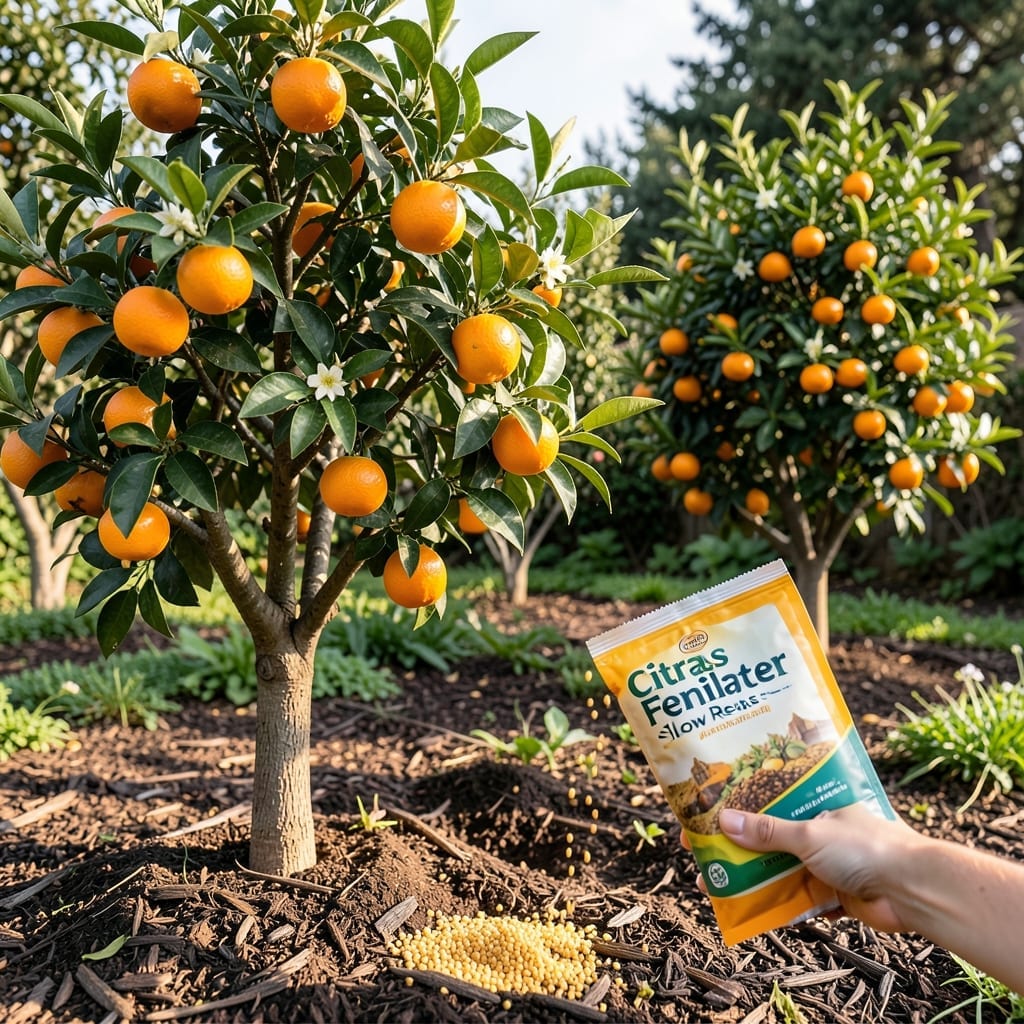
Timing your fertilizer application can mean the difference between a lackluster harvest and bursts of sweet, juicy satsumas from your 🍊 Satsuma Tree.
Discover the seasonal secrets to feeding your citrus for maximum flavor and yield. It’s not just about what you feed, but when you feed it.
I’ve learned that the right schedule transforms good fruit into exceptional fruit. Whether you’re a first-time grower or a seasoned gardener, these timing tips will make all the difference.
Let me walk you through the most important feeding windows that will have your Satsuma Tree thriving in zones 8-11. The results might surprise you.
Getting the timing right for fertilizing your satsuma trees is key to a bountiful harvest. These citrus trees thrive in USDA zones 8-11 and need a well-planned feeding schedule.
I’ve found that feeding at the right times ensures strong growth and sweet, juicy fruit. The best approach is to align fertilization with the tree’s natural growth cycles.
| Season | Action | Frequency | Notes |
|---|---|---|---|
| Spring | Feed | Every 4-6 weeks | Begin as new growth appears |
| Summer | Light Feed | Every 6 weeks | Reduce during extreme heat |
| Fall | Light Feed | Every 6 weeks | Stop 6 weeks before frost |
| Winter | Skip | None | Tree is dormant |
In spring, I start fertilizing as soon as I see new growth emerging. This is when the tree is most active and can best use the nutrients.
A balanced fertilizer like 8-8-8 or 10-10-10 works well. I apply it every 4-6 weeks to support the burst of growth.
When summer arrives, I switch to a lighter feeding schedule. The heat can stress the tree, so I reduce the frequency to every 6 weeks.
I also
In fall, I give the tree one last light feeding but stop about 6 weeks before the first frost. This helps the tree prepare for winter.
Once winter hits, I stop fertilizing completely. The tree is dormant and doesn’t need extra nutrients until spring returns.
By following this schedule, I’ve seen my satsuma trees produce healthier leaves and more fruit each season. It’s all about working with the tree’s natural rhythm. 🌿
Choosing the right fertilizer for your satsuma trees makes all the difference. These citrus trees need a balanced mix of nitrogen, phosphorus, and potassium to thrive in zones 8-11.
I always recommend starting with a slow-release fertilizer like 8-8-8 or 10-10-10. This provides steady nutrients without overwhelming the tree. It’s perfect for supporting both leaf growth and fruit production.
For young trees, I use about 1-2 lbs of fertilizer per application. For mature trees, I increase this to 3-5 lbs. Always spread it evenly around the drip line of the tree.
I prefer applying fertilizer in the early morning or late afternoon. This avoids the heat of the day and helps the tree absorb nutrients more effectively. Water deeply after applying to help the fertilizer reach the roots.
Organic options like compost or worm castings can also be beneficial. They improve soil structure and provide micronutrients that synthetic fertilizers might miss.
Lastly, always check your soil pH. Satsuma trees prefer a slightly acidic soil (pH 6.0-7.0). If your soil is too alkaline, consider adding sulfur or using an acid-loving plant fertilizer. ☀️