
Beautiful Plants For Your Interior
Beautiful Plants For Your Interior
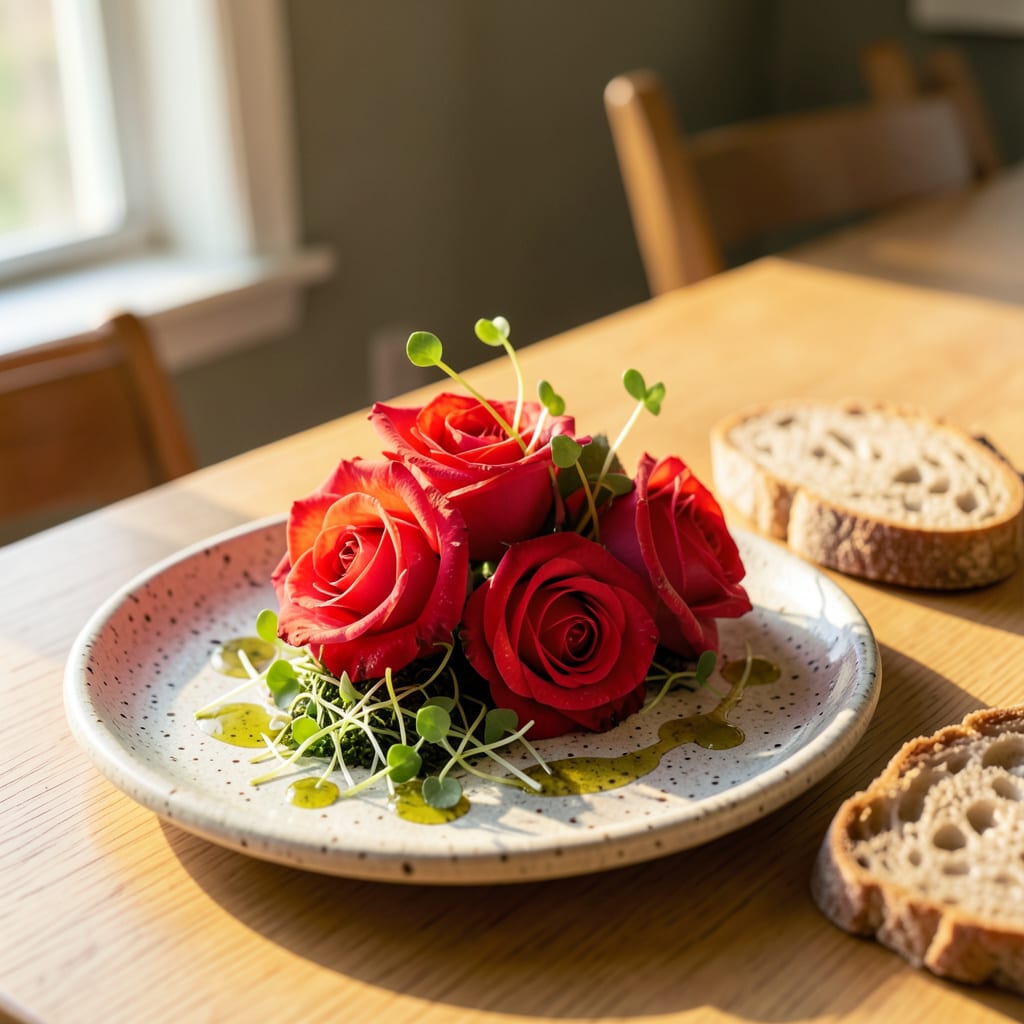
Fertilizing your 🌹 roses in Southern California requires careful timing to maximize blooms and maintain plant health. The region’s unique climate conditions mean you need to be strategic about when you feed your roses.
I recommend fertilizing your roses during their active growing periods, typically in early spring after pruning and again in late summer. This schedule supports healthy growth and abundant blooming throughout the year.

Fertilizing roses in Southern California requires understanding the region’s unique climate and how it affects rose growth. The Mediterranean climate means roses have different fertilization needs throughout the year 🌹.
I recommend fertilizing your roses during their active growing periods. In Southern California, this typically occurs in early spring after pruning and again in late summer. This schedule supports healthy growth and abundant blooming throughout the year.
Understanding these seasonal fertilization guidelines is critical for optimal rose health. The balanced fertilizer used during growing periods should have an NPK ratio of 10-10-10 or 12-6-6. For specific varieties like hybrid teas and grandifloras, you may need to adjust the fertilization frequency 🌼.
In Southern California’s climate, February and March are particularly important months for fertilization as they coincide with the rose’s natural growth surge after winter dormancy. A second fertilization in late summer (August-September) helps prepare the plants for the next growing season.
Soil conditions also play a crucial role in fertilization. Roses prefer well-draining soil with a pH between 6.0 and 6.5. Testing your soil periodically can help determine if any adjustments are needed to your fertilization routine 🌱.
When applying fertilizer, it’s essential to follow the manufacturer’s instructions to avoid over-fertilization. A general guideline is to use 1 cup of fertilizer per plant, but this can vary based on the specific product and rose variety.
Early morning is considered the best time to fertilize roses as it allows the plants to absorb the nutrients throughout the day. Avoid fertilizing during the hottest part of the day to prevent potential damage to the foliage 🔥.
For organic gardeners, alternatives like compost tea or fish emulsion can provide a natural source of nutrients for roses. These options release nutrients slowly and can improve soil health over time.
Monitoring your roses’ response to fertilization is crucial. Look for signs of healthy growth, such as vigorous foliage and abundant blooms. If you notice any adverse reactions, such as yellowing leaves or burned tips, adjust your fertilization schedule accordingly.
By following these guidelines and understanding the specific needs of your roses, you can create an effective fertilization schedule that promotes healthy growth and beautiful blooms throughout the year 🌹.
Regular fertilization, combined with proper watering and pruning practices, will help your roses thrive in Southern California’s climate.
Fertilizing roses in Southern California requires understanding the region’s unique climate and how it affects rose growth 🌹.
I recommend using a balanced fertilizer with an NPK ratio of 10-10-10 or 12-6-6 during the growing season. This type of fertilizer provides essential nutrients for healthy growth and abundant blooming.
For optimal results, fertilize your roses in early morning when the soil is still cool, allowing for better nutrient absorption 🌞.
When applying fertilizer, it’s essential to follow the manufacturer’s instructions to avoid over-fertilization. A general guideline is to use 1 cup of fertilizer per plant, but this can vary based on the specific product and rose variety.
Soil conditions also play a crucial role in fertilization. Roses prefer well-draining soil with a pH between 6.0 and 6.5. Testing your soil periodically can help determine if any adjustments are needed to your fertilization routine 🌱.
For organic gardeners, alternatives like compost tea or fish emulsion can provide a natural source of nutrients for roses. These options release nutrients slowly and can improve soil health over time.
Monitoring your roses’ response to fertilization is crucial. Look for signs of healthy growth, such as vigorous foliage and abundant blooms. If you notice any adverse reactions, adjust your fertilization schedule accordingly 🌼.
By following these guidelines and understanding the specific needs of your roses, you can create an effective fertilization schedule that promotes healthy growth and beautiful blooms throughout the year 🌹.
Fertilizing roses in Southern California can be challenging due to the region’s unique climate 🌹.
I recommend being aware of common fertilization mistakes to ensure your roses receive the nutrients they need without causing harm.
Avoid over-fertilizing your roses, as this can cause damage to the roots and lead to poor growth or even plant death 🔥.
Over-fertilization is a common mistake that can harm your roses. Too much fertilizer can cause an imbalance of nutrients, leading to weak growth and making your plants more susceptible to pests and diseases 🌼.
Another mistake is fertilizing during the wrong season. In Southern California, it’s essential to adjust your fertilization schedule according to the region’s climate. Avoid fertilizing during the winter months when roses are dormant ❄️.
Soil conditions also play a crucial role in fertilization. Roses prefer well-draining soil with a pH between 6.0 and 6.5. Testing your soil periodically can help determine if any adjustments are needed to your fertilization routine 🌱.
By being aware of these common fertilization mistakes and taking steps to avoid them, you can help your roses thrive in Southern California’s climate 🌹.
Monitoring your roses’ response to fertilization is crucial. Look for signs of healthy growth, such as vigorous foliage and abundant blooms 🌼.
Fertilize your roses during their active growing periods, typically in early spring (February-March) after pruning and again in late summer (August-September). This schedule supports healthy growth and abundant blooming throughout the year.
Fertilize every 4-6 weeks during the growing season (spring and summer). Reduce fertilizing in fall and skip it during winter months when roses are dormant. This frequency helps maintain optimal nutrient levels.
Use a balanced fertilizer with an NPK ratio of 10-10-10 or 12-6-6. This type provides essential nutrients for healthy growth and blooming. You can also consider organic alternatives like compost tea or fish emulsion.
No, it’s best to fertilize in the early morning when the soil is still cool. This allows for better nutrient absorption and reduces the risk of foliage damage. Avoid fertilizing during the hottest part of the day.
