
Beautiful Plants For Your Interior
Beautiful Plants For Your Interior
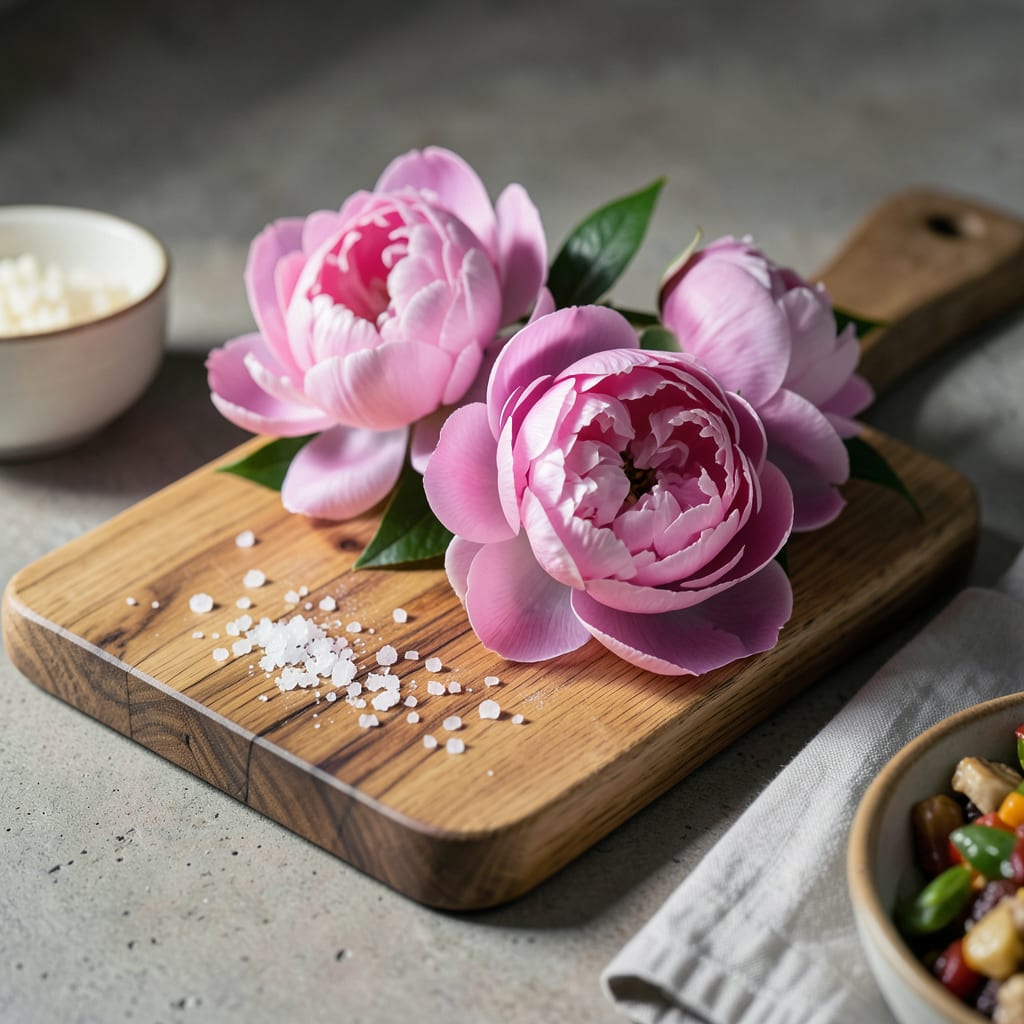
Fertilizing your Peony 💐 at the right time is crucial for spectacular blooms. In USDA Zone 6, timing is everything to ensure your plants thrive.
I recommend fertilizing your Peony in early spring when new growth appears. This helps promote healthy growth and vibrant blooms that will be the centerpiece of your garden in May and June.

Fertilizing peonies at the right time is crucial for their growth and blooming. In USDA Zone 6, the ideal time to fertilize peonies is in early spring when new growth appears. This helps promote healthy growth and vibrant blooms that will be the centerpiece of your garden in May and June 🌼.
I recommend using a balanced fertilizer with an NPK ratio of 10-10-10. This provides the necessary nutrients for optimal growth and flowering. The fertilizer should be applied in the early morning when the soil is still moist, ensuring better absorption 🌱.
Peonies require consistent moisture and adequate nutrients to produce their characteristic lush foliage and large flowers. Fertilizing in early spring aligns with their natural growth cycle, supporting the development of both foliage and flowers 💐.
I have found that using a granular fertilizer is effective for peonies. It should be spread around the base of the plant, avoiding direct contact with the stems to prevent burning. After application, the area should be watered thoroughly to help the nutrients penetrate the soil.
It’s also important to note that peonies generally do not require fertilization after they finish blooming. Over-fertilization can lead to excessive foliage growth at the expense of flowering, so it’s crucial to follow the recommended application rates and timing.
For gardeners in USDA Zone 6, the last frost date is typically around April 15. Fertilizing should be done just as the plants start to emerge from the ground, usually around late March or early April.
By following these guidelines, you can ensure that your peonies receive the nutrients they need to thrive and produce beautiful blooms year after year 🌸.
Monitoring your peonies’ response to fertilization is key. If you notice weak or spindly growth, it may be a sign that the fertilizer needs adjustment. Conversely, if the plants are over-fertilized, they may produce more leaves but fewer flowers.
In summary, fertilizing peonies in early spring with a balanced fertilizer is a straightforward and effective way to support their growth and flowering. By paying attention to the timing and type of fertilizer used, you can enjoy spectacular blooms in your garden 🌼.
For more detailed information on caring for peonies, including tips on planting, watering, and pest management, be sure to check out additional resources available online.
Fertilizing peonies is a critical step in promoting healthy growth and vibrant blooms. To get the most out of your fertilizer, it’s essential to understand the best practices for application 🌼.
I recommend using a balanced fertilizer with an NPK ratio of 10-10-10. This type of fertilizer provides the necessary nutrients for optimal growth and flowering. When applying the fertilizer,
Apply fertilizer in the early morning when the soil is still moist for better absorption. Water thoroughly after application to help nutrients penetrate the soil.
It’s also important to note that peonies generally don’t require fertilization after they finish blooming. Over-fertilization can lead to excessive foliage growth at the expense of flowering, so it’s crucial to follow the recommended application rates and timing.
For gardeners in USDA Zone 6, the last frost date is typically around April 15. Fertilizing should be done just as the plants start to emerge from the ground, usually around late March or early April 🌸.
By following these guidelines, you can ensure that your peonies receive the nutrients they need to thrive and produce beautiful blooms year after year.
Monitoring your peonies’ response to fertilization is key. If you notice weak or spindly growth, it may be a sign that the fertilizer needs adjustment.
In summary, fertilizing peonies properly involves using a balanced fertilizer, applying it at the right time, and avoiding over-fertilization. By paying attention to these details, you can enjoy spectacular blooms in your garden 💐.
Fertilizing peonies requires careful consideration to avoid common mistakes that can negatively impact their growth and blooming. One of the most critical errors is fertilizing at the wrong time, which can disrupt their natural growth cycle 🌼.
I recommend avoiding fertilization during the summer and fall seasons, as this can cause weak growth and reduce flowering. Instead, focus on fertilizing in early spring when new growth appears, using a balanced fertilizer with an NPK ratio of 10-10-10 🌱.
Avoid over-fertilization as it can lead to excessive foliage growth at the expense of flowering. Follow the recommended application rates and timing to ensure optimal results.
Another common mistake is using the wrong type of fertilizer. Peonies benefit from a balanced fertilizer that provides equal amounts of nitrogen, phosphorus, and potassium. Avoid using high-nitrogen fertilizers as they can promote excessive foliage growth 🌿.
It’s also important to monitor your peonies’ response to fertilization. If you notice weak or spindly growth, it may be a sign that the fertilizer needs adjustment. Conversely, if the plants are over-fertilized, they may produce more leaves but fewer flowers 🌸.
By avoiding these common mistakes and following the recommended fertilization guidelines, you can ensure that your peonies receive the nutrients they need to thrive and produce beautiful blooms year after year 💐.
In summary, fertilizing peonies requires careful timing, the right type of fertilizer, and attention to the plants’ response to fertilization. By being mindful of these factors, you can enjoy spectacular blooms in your garden 🌼.
Fertilize your peonies in early spring when new growth appears, typically around late March or early April in USDA Zone 6. This timing supports healthy growth and vibrant blooms.
Use a balanced fertilizer with an NPK ratio of 10-10-10. This provides the necessary nutrients for optimal growth and flowering. Avoid high-nitrogen fertilizers as they can promote excessive foliage growth.
While you can consider a light feeding after blooming, peonies generally don’t require fertilization after they finish blooming. Over-fertilization can lead to excessive foliage growth at the expense of flowering.
Fertilize your peonies once in early spring when new growth appears. Avoid fertilizing during summer and fall as this can cause weak growth and reduce flowering.
