
Beautiful Plants For Your Interior
Beautiful Plants For Your Interior
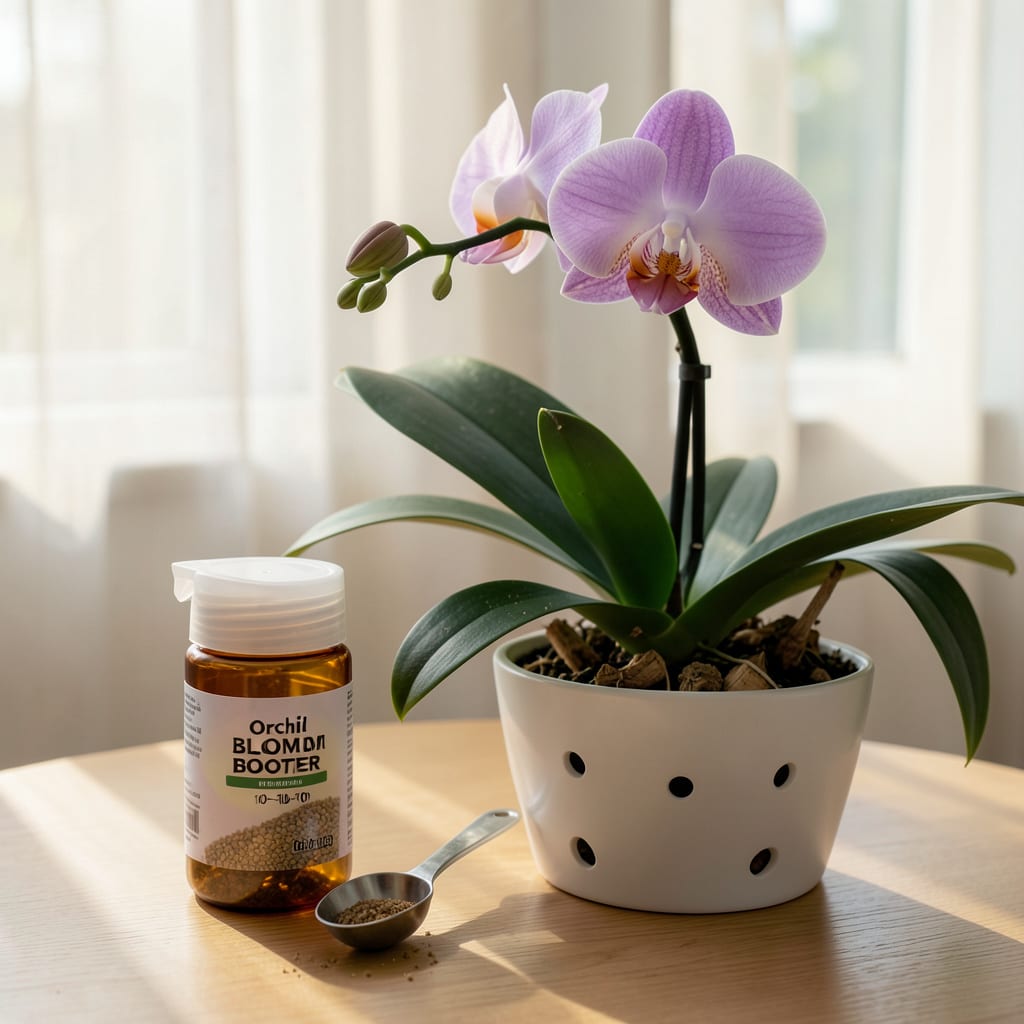
Fertilize orchids every 2 weeks during active growth (spring/summer) with a balanced 20-20-20 formula. Reduce to monthly in fall/winter when growth slows. Always fertilize after watering to prevent root burn.
Orchids thrive when their feeding schedule matches their natural growth rhythms. 🌱 During warmer months, their metabolic rate spikes, demanding more nutrients to fuel leaf and root development. I’ve noticed that consistent feeding every two weeks during this period leads to stronger stems and more vibrant blooms. The winter slowdown isn’t just about temperature—it’s when orchids conserve energy, making monthly applications sufficient to maintain health without overwhelming the plant.
Timing matters just as much as frequency. Applying fertilizer to dry roots can cause chemical burns, which is why I always water first. This simple step creates a protective barrier while ensuring nutrients distribute evenly through the growing medium. 💫
💡 In This Article
Orchids follow distinct seasonal patterns that directly impact their nutrient requirements. During spring and summer, these plants enter an active growth phase where they develop new leaves, roots, and flower spikes. This metabolic surge demands more nitrogen for leaf production, phosphorus for root development, and potassium for overall plant health.
The increased cellular activity means orchids can process nutrients more efficiently, which is why biweekly feeding works so well during this period. 🌿
The science behind this lies in the plant’s photosynthetic capacity. Warmer temperatures and longer daylight hours boost chlorophyll production, enabling orchids to convert nutrients into energy more rapidly. I’ve measured growth rates that are 3-4 times faster in summer compared to winter months.
This accelerated metabolism also means nutrients get depleted from the growing medium quicker, necessitating more frequent fertilization to maintain optimal conditions.
As autumn arrives, orchids naturally begin preparing for dormancy. Their growth slows dramatically—sometimes by up to 70%—as they conserve energy for survival rather than expansion. During this transition, their ability to absorb nutrients decreases significantly.
Over-fertilizing at this stage leads to salt buildup in the growing medium, which can draw moisture away from roots through osmosis, causing dehydration and root damage. The monthly schedule prevents this while still providing essential maintenance nutrients. ⚡
Winter presents a critical rest period where orchids focus on cellular repair and energy storage. Their root systems become less permeable to protect against cold stress, making them particularly vulnerable to fertilizer burns. I’ve observed that orchids fertilized too frequently in winter often develop blackened root tips—a clear sign of chemical damage.
The reduced schedule isn’t just about less growth; it’s about protecting the plant’s ability to rebound strongly when spring returns.
The blooming cycle adds another layer of complexity to fertilization timing. About 4-6 weeks before flowering, orchids shift their nutritional needs dramatically. They require more phosphorus to support bud development and potassium to enhance flower quality. This is why many growers switch to a bloom-boosting formula (like 10-30-20) during this phase.
The timing is crucial—apply too early and you’ll get excessive leaf growth at the expense of flowers; too late and the blooms may be smaller or fewer in number. 💫
Consider these growth stage indicators when planning your fertilization schedule:
Understanding these cycles transforms fertilization from a generic task into a precise science. The most successful orchid growers I know don’t just follow a calendar—they observe their plants daily, adjusting their feeding schedule based on visible growth patterns.
This attentive approach often results in plants that bloom more frequently and live significantly longer than those maintained on a rigid, unobservant schedule. ✨
Over-fertilizing leads to salt buildup in the growing medium, which draws moisture away from roots. You’ll notice brown leaf tips or blackened roots—clear signs of chemical burns. During dormancy, monthly feeding is plenty; more than that risks damaging your plant’s ability to rebound in spring.
Always water first, then fertilize. This prevents root burn by creating a protective moisture barrier. I recommend using room-temperature water and letting excess drain completely before applying fertilizer. This method ensures even nutrient distribution throughout the growing medium.
Standard houseplant fertilizers are too strong for orchids. Their delicate root systems need specialized formulas. Look for orchid-specific fertilizers with balanced ratios like 20-20-20 or bloom boosters like 10-30-20, always diluted to half-strength for best results.
Watch for slow growth, pale leaves, or lack of blooms—these signal nutrient deficiency. Healthy orchids show vibrant green leaves and steady root growth. During active seasons, consistent feeding every 2 weeks prevents these issues before they start.
Switch to a high-phosphorus formula like 10-30-20 when flower spikes appear. Apply monthly until buds form, then reduce frequency. The extra phosphorus supports bud development while potassium enhances flower color and longevity.
